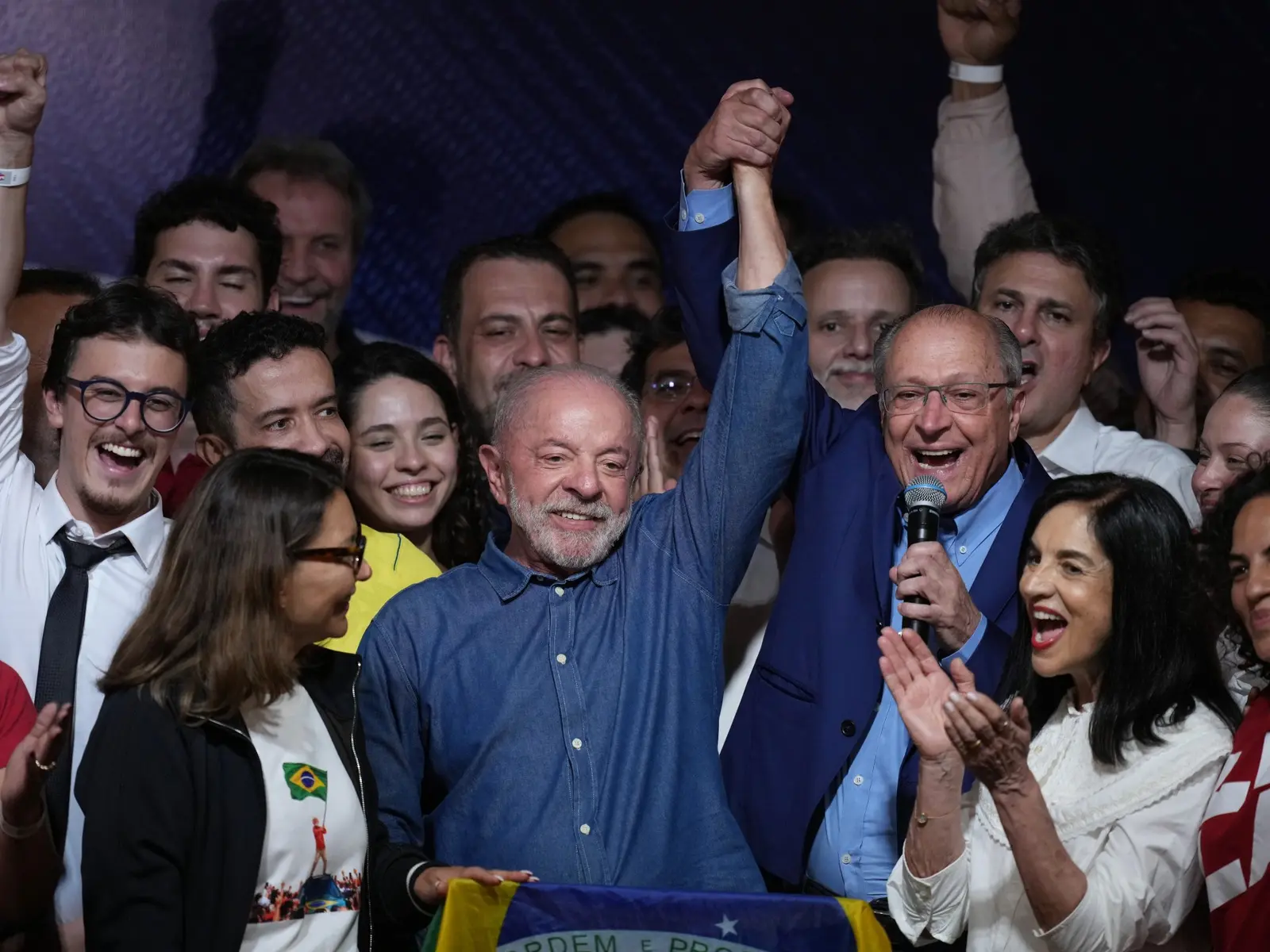
Red Wave Rolls Through the Streets
Supporters of President Luiz Inácio Lula da Silva flooded Rio de Janeiro, São Paulo and other major cities on Sunday night, celebrating his dramatic re‑election. Thousands gathered on beaches, avenues and public squares, waving Brazil’s green‑and‑yellow flag and the candidate’s signature red banners as fireworks illuminated the sky.
Breaking news
 Montenegro, Albania Seek NATO Help to Counter Russian Disinformation
 Ronna McDaniel Weighs In on GOP's Path Forward
 Market Sentiment Shifts as S&P 500 Snaps Three-Day Losing Streak
 Voters Demand Stronger Congressional Oversight of Presidential Power
The celebrations erupted shortly after the electoral commission confirmed Lula’s win, marking his return to the presidency after a four‑year hiatus. Vuvuzras blared along Rio’s waterfront while crowds sang the national anthem and chanted „Lula 2022.” In São Paulo, spontaneous concerts broke out in the historic downtown, and police reported no major incidents despite the sheer size of the gatherings. Political analysts attribute the fervor to Lula’s promise of social reforms and his appeal to Brazil’s working class, which turned out in record numbers this election.
In Rio, the iconic Copacabana promenade became a sea of red scarves and shirts. Residents described the scene as „a carnival of hope,” noting how families, students and retirees stood shoulder to shoulder, united by a common vision for the future. „We’ve waited for this moment for years,” said Maria Silva, a vendor who sold flags to the crowd. The city’s mayor declared a temporary curfew to manage traffic, but allowed the festivities to continue, emphasizing the importance of peaceful expression. Similar scenes unfolded in São Paulo’s Praça da Sé, where impromptu drums and guitars turned the square into a lively rally. Security forces reported only isolated cases of minor vandalism, a stark contrast to the violent protests that marred previous elections.
What Does Lula’s Return Mean for Brazil’s Economy?
Economists warn that the celebratory mood masks underlying challenges. Inflation remains above the central bank’s target, and unemployment, though slightly reduced, still affects millions. Lula’s administration has pledged to boost public spending on education, health and infrastructure, aiming to stimulate growth and reduce inequality. However, critics argue that financing these programs will require fiscal discipline and possible tax reforms, which could face resistance in Congress. Market analysts note a modest uptick in the Brazilian real’s value following the election, reflecting investor optimism, but caution that policy implementation will be the true test.
The night’s revelry underscores a nation eager for change, yet the road ahead is fraught with economic and political hurdles. Lula’s ability to translate popular support into concrete policies will shape Brazil’s trajectory for years to come, as citizens watch closely whether promises will become reality.
Frequently Asked Questions
When will Lula’s new cabinet be announced? The president is expected to present his cabinet within the next two weeks, selecting ministers who align with his social agenda and economic plan.
How are authorities handling the large crowds? Police have deployed additional units to key areas, set up temporary medical stations, and imposed a short curfew in some neighborhoods to ensure public safety while allowing celebrations to continue.
Will the celebrations affect public transportation? Transit agencies have increased service frequency on major routes and issued advisories urging commuters to avoid peak hours, aiming to reduce congestion caused by the massive turnout.


