Addressing Economic Instability in Libya
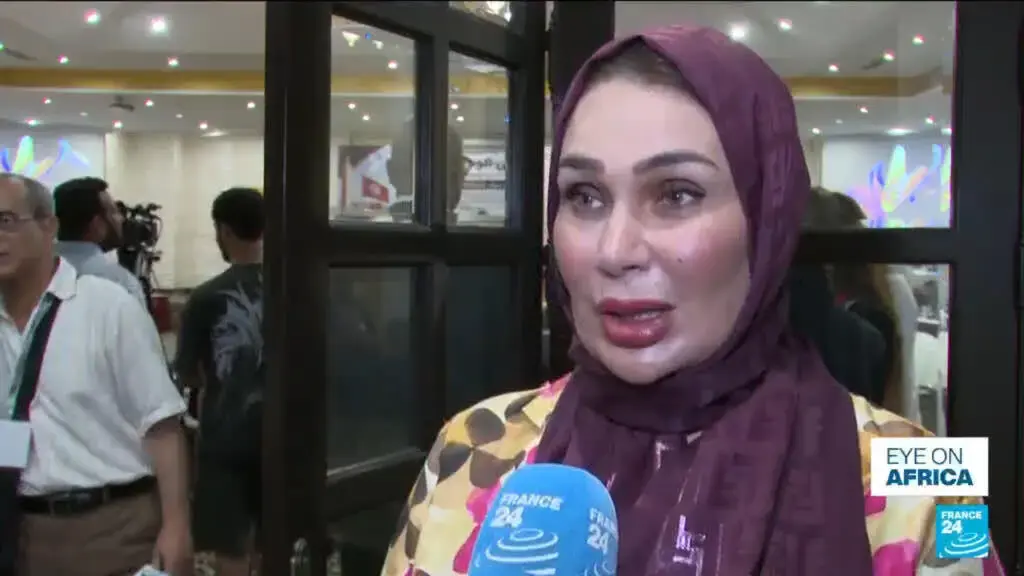
On Tuesday, representatives of the Libyan government convened in Tunisia for urgent discussions regarding the country's ongoing crisis. The meeting comes as Libya's National Oil Corporation announced a pressing need for approximately 40 million barrels of oil to stabilize its economy and ensure energy security.
Breaking news
 Deadly Glacier and Rock Collapse in Nepal Linked to Climate Warming
 US Congress Passes Sweeping Sanctions Against Russia
 Speaker Johnson Ends House Session Early to Halt Impeachment Effort
 The High-Stakes Fight for Senate Majority Control
The situation in Libya has been deteriorating due to political instability and ongoing conflict. The National Oil Corporation has emphasized that the country's oil production is crucial for its financial health. Without sufficient output, the government faces severe economic challenges that could exacerbate the already fragile state of affairs.
The Libyan government is grappling with a multitude of issues, including a lack of infrastructure and ongoing disputes among various factions. The discussions in Tunisia aim to forge a consensus among key stakeholders to address these challenges effectively. Officials are looking to secure international support and investment to revitalize the oil sector, which is the backbone of the Libyan economy.
Can Tunisia Serve as a Mediator for Libya?
During the meetings, Libyan officials expressed hope that cooperation with international partners could lead to a resolution of the crisis. They highlighted the importance of restoring production levels to ensure that the country can meet its financial obligations and provide for its citizens.
Tunisia has positioned itself as a potential mediator in the Libyan crisis, given its geographical proximity and historical ties. The Tunisian government has offered to facilitate dialogue between various Libyan factions to promote stability and peace. However, questions remain about whether these discussions will lead to tangible results.
The involvement of Tunisia could be a turning point for Libya, but it depends on the willingness of Libyan leaders to compromise and work towards a unified approach. The success of these talks could significantly impact Libya's future, both politically and economically.
As the situation unfolds, the consequences of the crisis are becoming increasingly dire. Without a resolution, Libya risks further economic decline and social unrest. The international community is closely monitoring the developments, hoping for a peaceful outcome that would restore stability to the region.
Frequently Asked Questions
What are the main issues facing Libya currently? Libya is dealing with political instability, economic challenges, and ongoing conflicts among various factions, which have hindered effective governance.
Why is oil production critical for Libya's economy? Oil production is the primary revenue source for Libya, and a decline in output threatens the country's financial stability and ability to support its population.
What role is Tunisia playing in the Libyan crisis? Tunisia is attempting to mediate discussions among Libyan factions, aiming to foster dialogue and promote stability in the region.