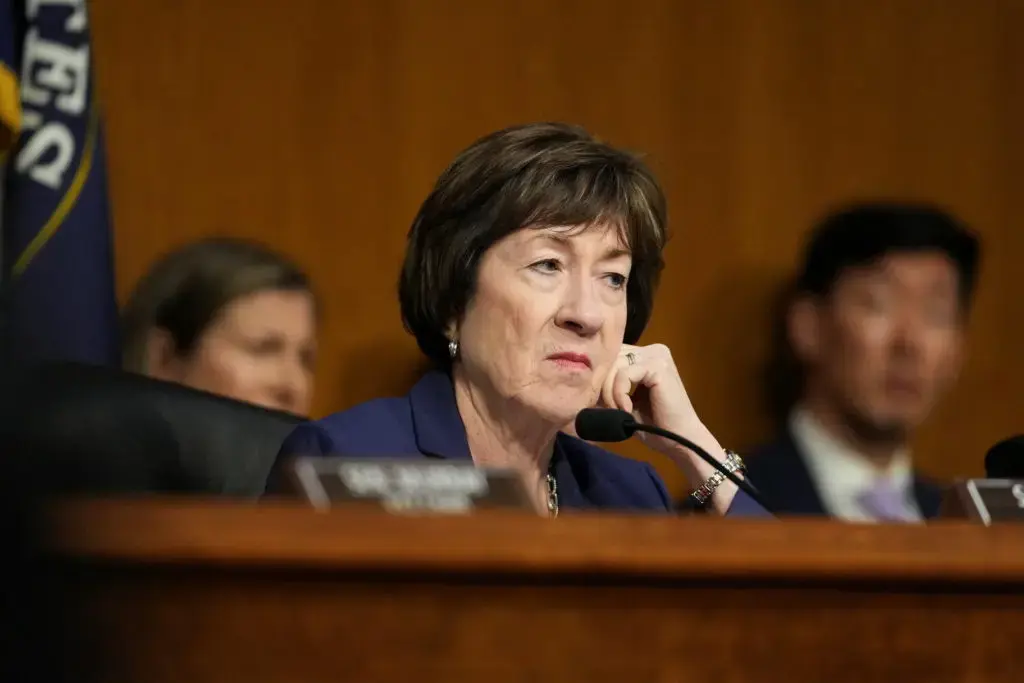
The senators noted that the NIH’s current system, which relies on expert panels
Sens. Susan Collins and Patty Murray have publicly opposed a Trump administration proposal that would give the White House direct influence over how the National Institutes of Health allocates research grants. The senators, both members of the Senate Appropriations Committee, voiced their concerns in a joint statement released on September 21, 2026, arguing that the plan undermines the independence of scientific peer review. They emphasized that funding decisions should remain free from political interference to maintain public trust in biomedical research. The proposal in question would require NIH grant applications to undergo an additional layer of review by White House officials before final funding decisions are made. Critics, including Collins and Murray, warn that such a shift could prioritize politically aligned research over scientifically meritorious projects, potentially disrupting long-term studies in areas like cancer, neuroscience, and infectious disease.
Breaking news
 Montenegro, Albania Seek NATO Help to Counter Russian Disinformation
 Ronna McDaniel Weighs In on GOP's Path Forward
 Market Sentiment Shifts as S&P 500 Snaps Three-Day Losing Streak
 Voters Demand Stronger Congressional Oversight of Presidential Power
The senators noted that the NIH’s current system, which relies on expert panels to evaluate proposals, has been instrumental in advancing medical breakthroughs for decades. Why Senate Leaders Fear Politicizing Science Collins and Murray stressed that inserting political oversight into the grant process risks distorting scientific priorities and discouraging researchers from pursuing controversial but vital topics. They cited past instances where political pressure led to funding gaps in areas such as gun violence prevention and climate health impacts. Both senators, who have historically supported robust NIH funding, argued that the administration’s plan contradicts bipartisan efforts to strengthen scientific integrity.
Murray, a Democrat from Washington, called the move „a dangerous precedent,”
Murray, a Democrat from Washington, called the move „a dangerous precedent,” while Collins, a Republican from Maine, said it „threatens the credibility of America’s research enterprise.” Could This Delay Lifesaving Medical Advances? The senators questioned whether the added bureaucratic step would slow down funding for urgent public health needs, especially during emerging crises. They pointed to the NIH’s role in rapidly supporting research during the Zika and Ebola outbreaks as evidence of the system’s effectiveness when left to scientific judgment. Collins warned that delays in grant approval could hinder early-career scientists and stall innovation at academic medical centers. Murray added that public confidence in science depends on the perception that funding is based on evidence, not allegiance. Frequently Asked Questions What specific change did the White House propose regarding NIH grants?
The proposal would require White House officials to review NIH grant applications before final funding decisions, adding a political layer to the current peer-review process. Why do Senators Collins and Murray oppose this plan? They believe it compromises the independence of scientific review, risks politicizing research funding, and could undermine public trust in the NIH’s mission. How might this affect medical research if implemented? It could delay funding for critical studies, discourage research on politically sensitive topics, and disrupt the NIH’s ability to respond quickly to health emergencies.


