Legal Foundations Behind the Cases
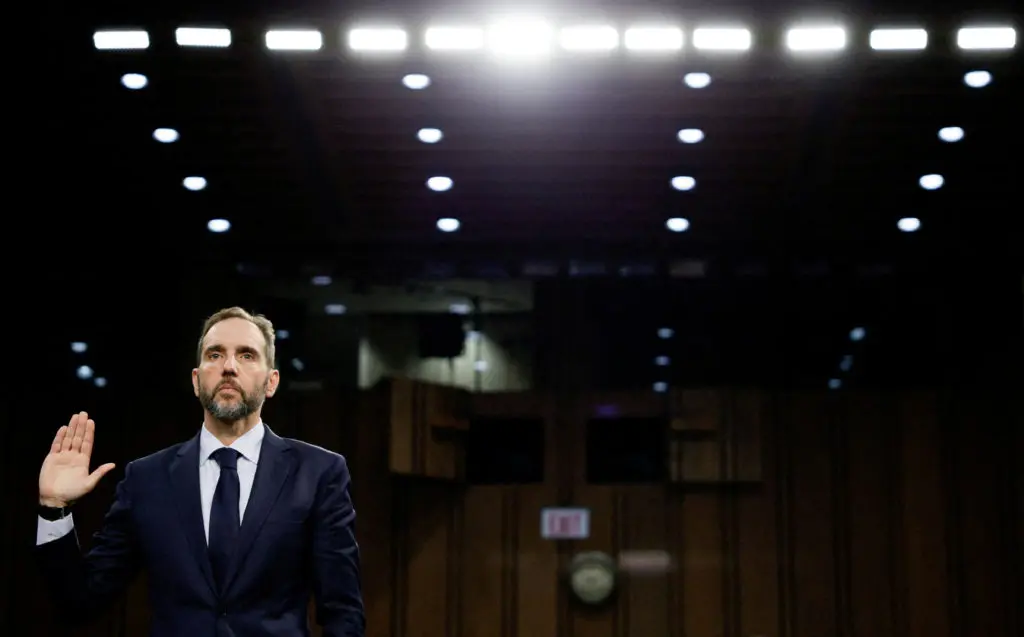
On Wednesday, U. S. Attorney Jack Smith appeared before the Senate Judiciary Committee. He defended the Department of Justice’s criminal investigations targeting former President Donald Trump. The hearing took place in Washington, D. C., and attracted bipartisan attention from senators across the political spectrum.
Breaking news
 Ronna McDaniel Weighs In on GOP's Path Forward
 Market Sentiment Shifts as S&P 500 Snaps Three-Day Losing Streak
 Voters Demand Stronger Congressional Oversight of Presidential Power
 Pelosi Looks Back, Sees Democratic Triumph Ahead
Smith explained that the investigations cover three major areas: a hush‑money scheme tied to a 2016 campaign, alleged interference in the 2020 election, and the mishandling of classified documents after Trump’s departure from office. He emphasized that each case follows established legal procedures and relies on evidence gathered through subpoenas, depositions, and forensic analysis. The prosecutor highlighted that the DOJ’s mandate is to uphold the law, not to pursue political objectives.
Smith outlined the DOJ’s policy framework that guides criminal investigations of public officials. He noted that the department can prosecute former presidents when credible evidence indicates wrongdoing. The hush‑money case involves payments to a former adult‑film actress and the alleged concealment of those payments. In the election‑interference investigation, prosecutors focus on attempts to overturn certified results and the distribution of false claims. The classified‑documents matter centers on the removal of sensitive materials from the White House and the National Archives. Smith stressed that each case is built on documented evidence, not conjecture. He also mentioned that the DOJ has maintained a consistent record of prosecuting former officials when warranted.
Why the Hearing Matters: A Question of Accountability
The Senate hearing raises questions about accountability for the highest office in the land. Senators on both sides asked Smith how the department ensures impartiality and what safeguards exist to prevent political bias. Smith responded that the DOJ’s internal review processes, external oversight, and public transparency are designed to protect the integrity of investigations. He also explained that the outcomes of these cases could set precedents for future leaders. The hearing underscores the importance of legal accountability, regardless of political affiliation.
The debate has intensified calls for a clearer separation between politics and law enforcement. Some senators urged the DOJ to expedite the cases, while others demanded more detail on evidence before any charges are filed. Smith promised that the department will provide additional information as it becomes available, while reaffirming that the investigations are ongoing and subject to judicial review.
The hearing’s aftermath will influence public perception of the DOJ’s independence. If the investigations proceed to trial, they could reshape the narrative around Trump’s legacy and the legal boundaries of presidential conduct. Conversely, a dismissal could reinforce arguments that the DOJ is politically motivated. The committee will likely hold further sessions to scrutinize evidence and procedural steps.
Frequently Asked Questions
What are the main cases that Jack Smith is overseeing? Smith is leading investigations into hush‑money payments during the 2016 campaign, alleged election‑interference tactics in 2020, and the removal of classified documents after Trump left office.
How does the DOJ justify these investigations? The department cites credible evidence, legal statutes on fraud, election integrity, and classified‑material protection. It asserts that the cases are grounded in established law, not politics.
What could happen if Trump is charged? A criminal indictment could lead to trial, potential conviction, and sentencing. It would also set legal precedents for how former presidents are treated under federal law and could influence future political accountability.