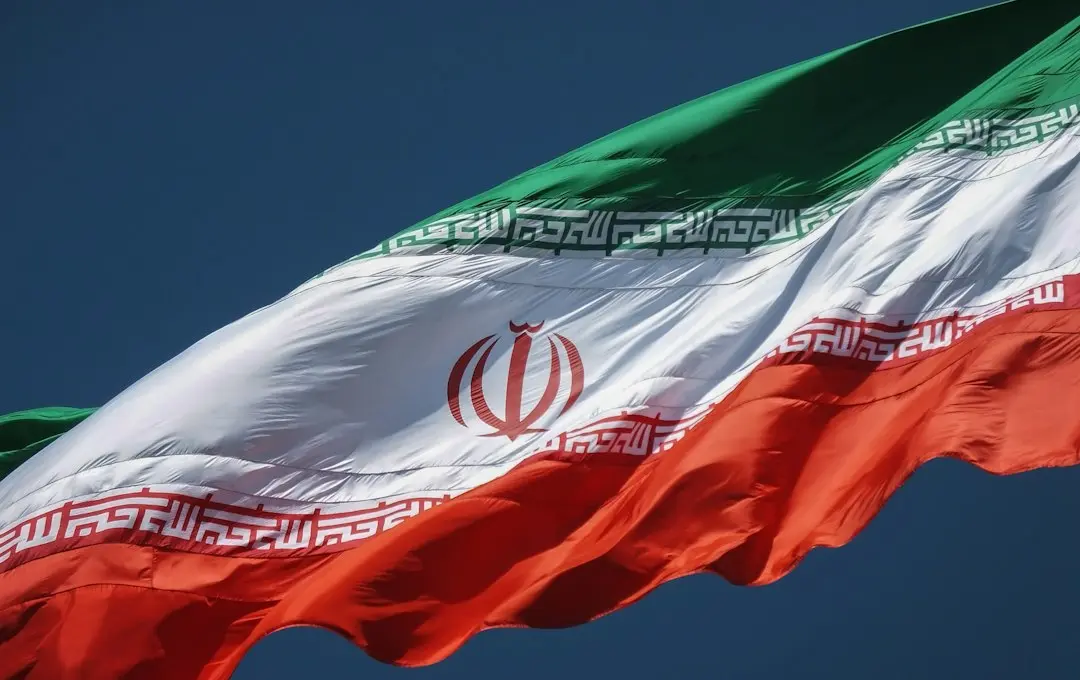
Iran’s Strategic Blueprint
Iran announced that it has established clear and firm conditions for ending the ongoing conflict, according to a statement from the foreign ministry. The government said it will respond to U. S. proposals through diplomatic intermediaries. Tehran claims its conditions aim to restore security across the Persian Gulf and the Strait of Hormuz.
Breaking news
 Montenegro, Albania Seek NATO Help to Counter Russian Disinformation
 Ronna McDaniel Weighs In on GOP's Path Forward
 Market Sentiment Shifts as S&P 500 Snaps Three-Day Losing Streak
 Voters Demand Stronger Congressional Oversight of Presidential Power
The spokesperson emphasized that the conditions address the war imposed on all fronts. The statement was issued in Tehran on Monday, following a series of escalating tensions in the region. It underscores Iran’s willingness to engage in negotiations while maintaining a hard line on its strategic objectives. The ministry highlighted that the conditions are designed to protect national interests and ensure stability in a highly volatile area.
Iran’s foreign ministry outlined a comprehensive framework that includes the withdrawal of foreign troops, the cessation of hostile acts, and the return of all military assets to their rightful owners. The ministry claims these measures will create a secure environment for trade and diplomacy. Tehran insists that any agreement must also address the security concerns of neighboring states and the protection of maritime routes. The ministry’s statement suggests that Iran will only consider proposals that meet these stringent requirements.
Will the U. S. Accept Iran’s Terms?
In addition, the ministry noted that the conditions are not a compromise but a safeguard against further aggression. It stressed that Iran’s approach is rooted in national sovereignty and regional stability. The statement also referenced the importance of the Strait of Hormuz, a critical chokepoint for global oil shipments. By securing this area, Iran aims to protect its economic interests and those of the wider region.
The question now is whether the United States will agree to Iran’s conditions. The U. S. has repeatedly called for a peaceful resolution, but its proposals have focused on sanctions relief and diplomatic engagement. Iran’s insistence on a firm set of conditions may complicate negotiations. Analysts suggest that the U. S. could use third‑party mediators to bridge the gap between the two sides. However, the U. S. is also wary of conceding to demands that might undermine its strategic posture in the Middle East.
Iran’s statement indicates that it will evaluate U. S. proposals through intermediaries, which could involve regional allies or international organizations. This approach may offer a neutral platform for dialogue. Yet, the U. S. remains skeptical of Iran’s motives, citing past instances where agreements were not fully honored. The outcome will ultimately depend on the willingness of both parties to compromise while protecting their core interests.
The international community watches closely. A successful agreement could reduce tensions in the Persian Gulf and secure vital shipping lanes. Conversely, a stalemate could lead to further instability, affecting global oil markets and regional security. The next few weeks will be critical as both sides navigate the delicate balance between firmness and flexibility.
Frequently Asked Questions
What are the main conditions Iran has set for ending the war? Iran demands the withdrawal of foreign troops, cessation of hostile acts, and the return of military assets to their rightful owners. It also insists on protecting the Strait of Hormuz and ensuring regional security.
How will Iran respond to U. S. proposals? The Iranian foreign ministry said it will evaluate U. S. proposals through diplomatic intermediaries, potentially involving regional allies or international bodies.
What could happen if the U. S. does not meet Iran’s conditions? If the U. S. fails to meet Iran’s demands, the conflict could persist, leading to continued instability in the Persian Gulf and potential disruptions to global oil supplies.


