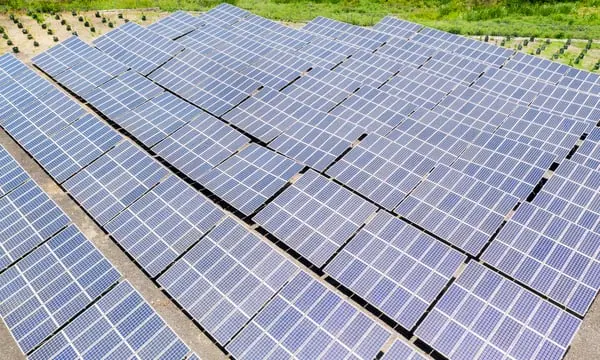
Feasibility Challenges for Massive Solar Expansion
Jakarta has announced an ambitious national plan to install 100 gigawatts of solar capacity. This target aims to transform Indonesia’s energy landscape significantly. The initiative represents a major shift in the country's renewable strategy. Officials hope to meet this goal within the next decade. The announcement signals a strong commitment to clean energy infrastructure. It reflects a broader push to reduce reliance on fossil fuels. The government views this expansion as critical for future growth.
Breaking news
 Deadly Glacier and Rock Collapse in Nepal Linked to Climate Warming
 US Congress Passes Sweeping Sanctions Against Russia
 Speaker Johnson Ends House Session Early to Halt Impeachment Effort
 The High-Stakes Fight for Senate Majority Control
The proposal involves substantial investment in photovoltaic systems across various regions. Indonesia possesses abundant sunlight, making solar a logical choice. However, the sheer scale of the project raises questions about feasibility. Experts note that logistical challenges remain significant. Grid integration will require massive upgrades to existing networks. Storage solutions must also be developed to handle intermittent supply. The plan underscores Jakarta’s determination to lead in Southeast Asian green initiatives.
Achieving 100 gigawatts requires overcoming several technical hurdles. Land acquisition for large-scale farms remains a complex process. Many suitable sites are located in remote areas with poor connectivity. Developers must build new transmission lines to move power efficiently. Battery storage technology needs rapid advancement to ensure stability. Nighttime demand cannot be met without robust backup systems. The government plans to incentivize private sector participation heavily. Public-private partnerships will likely drive much of the construction. Regulatory frameworks may need updating to support such speed.
Can Jakarta Meet Its Renewable Ambitions?
Financial backing is another critical component of the strategy. Investors seek clear return pathways for long-term projects. Subsidies and tax breaks could attract global capital. Local manufacturing capabilities might grow to lower costs. Job creation in installation and maintenance sectors is expected. Training programs will prepare the workforce for new roles. The economic ripple effects could extend beyond the energy sector. Supply chains for panels and inverters would expand locally. This industrial growth supports broader economic development goals.
Skepticism exists regarding the timeline for full deployment. Historical delays in similar projects have set cautious expectations. Bureaucratic processes often slow down permitting and approvals. Community resistance near proposed sites can cause further delays. Weather patterns may affect output predictions in certain islands. Monitoring and maintenance standards must be strictly enforced. Data transparency will help track progress against milestones. International observers are watching closely for early results. Success here could influence neighboring countries' policies. Failure might temper enthusiasm for other renewable targets.
Frequently Asked Questions
The outcome of this solar push will define Indonesia’s energy future. If successful, it reduces carbon emissions substantially. Air quality improvements would benefit urban populations directly. Energy security increases as domestic production rises. Import bills for fuel decrease over time. The nation positions itself as a regional energy leader. Global markets may view Indonesia as a stable supplier. Long-term contracts could secure prices for consumers. The transition accelerates toward a low-carbon economy.
How much solar capacity does Indonesia currently have? Current installed capacity is significantly lower than the new target. The 100 gigawatt goal represents a multi-fold increase. Existing infrastructure serves only a fraction of total demand.
When does the government expect to reach the target? Officials aim to complete installations within the next ten years. Specific annual milestones have not been fully detailed yet. Progress reviews will occur regularly throughout the decade.