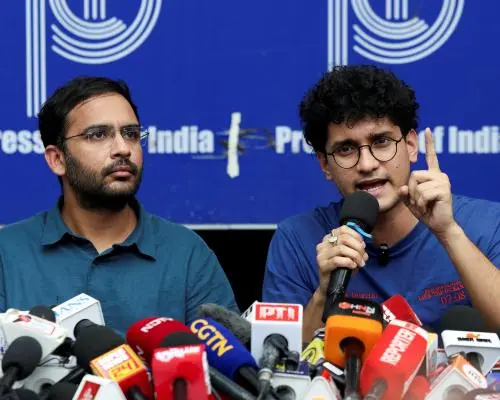
They emphasized that their movement remains nonviolent but resolute in
Leaders of India's youth-led Cockroach Janta Party (CJP) accused the Narendra Modi government of declaring war on its own citizens after their release from police detention, as anti-government protests entered their second day in Delhi. The three party figures were taken into custody overnight amid widespread unrest fueled by growing public anger over perceived authoritarian policies and suppression of dissent. They vowed to continue their demonstrations despite arrests, claiming the state is fostering an atmosphere of fear to silence opposition voices. The Cockroach movement, known for its provocative name and grassroots mobilization, has gained traction among young Indians disillusioned with rising unemployment, religious polarization, and restrictions on free speech. Protesters allege that the government uses legal and police mechanisms to target critics, turning civic engagement into a risky act. CJP leaders argued that detaining peaceful demonstrators only proves the regime's intolerance for dialogue and its willingness to criminalize dissent.
Breaking news
 Ronna McDaniel Weighs In on GOP's Path Forward
 Market Sentiment Shifts as S&P 500 Snaps Three-Day Losing Streak
 Voters Demand Stronger Congressional Oversight of Presidential Power
 Pelosi Looks Back, Sees Democratic Triumph Ahead
They emphasized that their movement remains nonviolent but resolute in demanding accountability and democratic renewal. Why Are Youth Turning to Unconventional Protest Forms? Young activists say traditional political channels have failed to address systemic issues like job scarcity and institutional bias, pushing them toward symbolic and confrontational tactics. The Cockroach Janta Party uses its striking name to challenge societal norms and draw attention to what it sees as the government's dehumanizing rhetoric toward minorities and critics. By embracing a label often associated with disgust, the group aims to flip the narrative, suggesting that the state treats citizens as pests to be eradicated. This approach reflects a broader trend where marginalized youth employ irony and shock to bypass media filters and police surveillance. What Risks Do Protesters Face Amid Escalating Tensions? Demonstrators report increased police presence, internet shutdowns in protest zones, and arbitrary detentions under broad security laws.
Legal experts warn that such measures could deepen public distrust and
Legal experts warn that such measures could deepen public distrust and radicalize moderate voices seeking reform. Despite these risks, CJP leaders insist their movement will grow, citing solidarity from student unions and independent artists across cities. They plan to escalate peaceful marches while documenting alleged abuses for national and international scrutiny, arguing that silence now would mean surrendering democratic freedoms to authoritarian drift. Frequently Asked Questions What is the Cockroach Janta Party's main demand? The party calls for an end to what it describes as state-sponsored fear, demanding protection for free speech, release of detained activists, and accountability for police excesses during protests. How has the government responded to the unrest? Officials have labeled the protests as motivated by misinformation and warned against destabilizing the country, though they have not issued specific policy concessions in response to the demonstrators' core grievances. Are the protests spreading beyond Delhi?
Yes, similar demonstrations have been reported in cities like Mumbai and Bangalore, with youth groups expressing solidarity and adapting the Cockroach Janta Party's message to local concerns about governance and rights.



