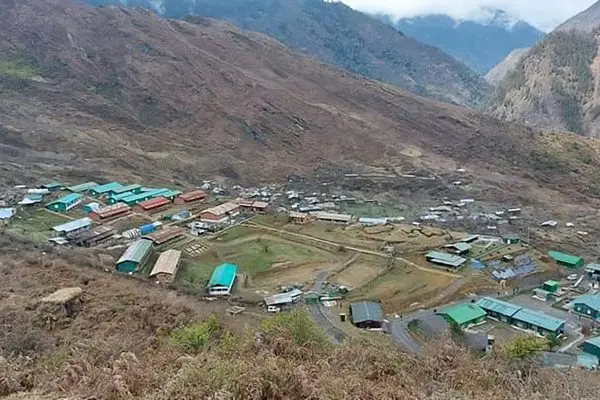
Local Warnings Preceded Official Admission
Indian border police chief confirmed ongoing face-offs with China at several locations along the Himalayan frontier. This admission follows months of local warnings about Chinese incursions into Arunachal Pradesh. The government had previously downplayed the situation.
Breaking news
 Montenegro, Albania Seek NATO Help to Counter Russian Disinformation
 Ronna McDaniel Weighs In on GOP's Path Forward
 Market Sentiment Shifts as S&P 500 Snaps Three-Day Losing Streak
 Voters Demand Stronger Congressional Oversight of Presidential Power
The Indo-Tibetan Border Police Director made the statement at an event in Alwar, Rajasthan. He acknowledged that encounters with People’s Liberation Army troops remain active. Civil society groups and regional media had raised alarms since June. Local residents reported seeing Chinese soldiers crossing the Line of Actual Control.
Community leaders in Arunachal Pradesh documented repeated PLA movements into Indian territory. These reports were dismissed by New Delhi for months. The ITBP chief’s confirmation validates the grassroots intelligence. He noted that border posts are currently engaged in positional standoffs. Troops from both sides maintain close proximity without full-scale combat.
Why Does the Border Dispute Persist?
The government’s earlier denials created a credibility gap. Once the top official spoke, the narrative shifted. Media outlets in the northeast had been reporting on troop deployments and barbed wire constructions. These physical barriers signal a long-term strategic posture rather than a temporary dispute.
The Line of Actual Control remains disputed between the two nations. Neither side has formally agreed to its exact demarcation. This ambiguity allows for periodic tensions. The ITBP chief emphasized that face-offs are continuing, not ending. He described the situation as dynamic, with shifts in troop positioning.
Looking ahead, analysts expect continued friction along the border. The official admission may pressure the government to negotiate a clearer boundary. Local communities will likely monitor troop movements closely. The confirmation ends the era of official denial. Future diplomatic talks must address the physical realities on the ground.
Frequently Asked Questions
Are the border face-offs violent? No. The encounters are positional standoffs where troops face each other at close range. No shots have been fired in the current phase.
What role does the ITBP play? The Indo-Tibetan Border Police manages the frontier line. They conduct patrols and manage encounters with Chinese forces. Their chief’s statement reflects on-the-ground reality.
Will this lead to a formal border agreement? Not immediately. The admission highlights the need for diplomatic resolution. Both governments must agree on the Line of Actual Control to prevent future clashes.


