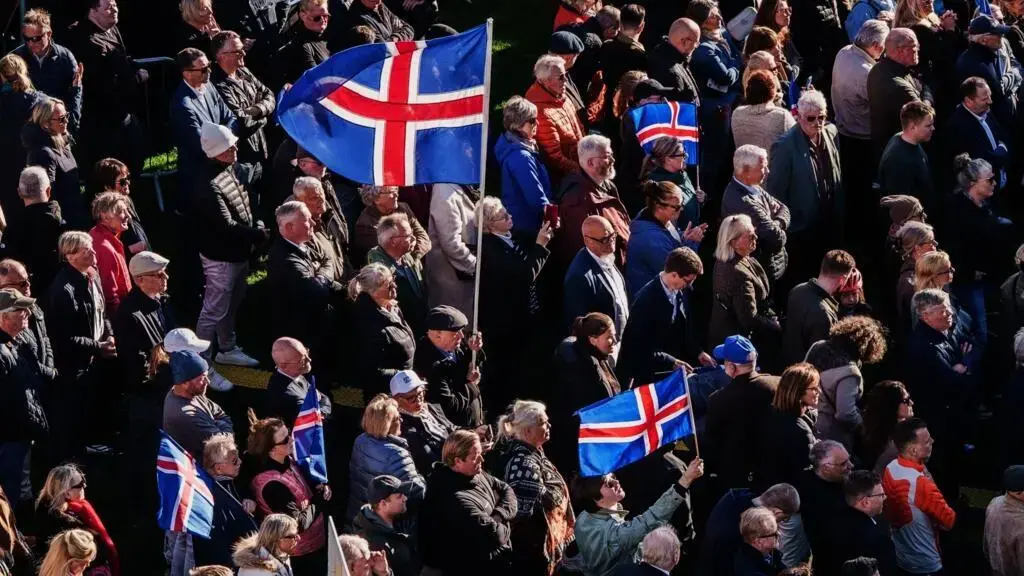
What Drives the Renewed Push for EU Talks?
Iceland will hold a referendum on Saturday to decide whether to restart negotiations for European Union membership. The vote comes after years of debate over the country’s economic and political direction following the 2008 financial crisis. Reykjavik initially applied for EU membership in 2009, seeking stability and access to the single market. However, a eurosceptic government later suspended the process, leaving the issue unresolved for over a decade. Now, citizens will directly decide if the country should reopen talks with Brussels.
Breaking news
 Deadly Glacier and Rock Collapse in Nepal Linked to Climate Warming
 US Congress Passes Sweeping Sanctions Against Russia
 Speaker Johnson Ends House Session Early to Halt Impeachment Effort
 The High-Stakes Fight for Senate Majority Control
The referendum reflects deep divisions in Icelandic society over sovereignty, economic policy, and national identity. Proponents argue that rejoining the EU would provide long-term economic security, especially given Iceland’s reliance on fisheries and tourism—sectors vulnerable to global market fluctuations. They also point to benefits like access to EU funding and stronger cooperation on climate and security issues. Opponents warn that membership could undermine Iceland’s control over its natural resources, particularly fishing quotas, and erode its independent foreign policy. Polls suggest the outcome is uncertain, with both sides campaigning vigorously in the final days.
Could Iceland Join the EU Without Losing Its Identity?
The renewed push for EU membership stems from shifting economic realities and changing public opinion. After the 2008 banking collapse, which saw Iceland’s major banks fail and the krona plummet, many looked to the EU as a potential anchor for recovery. Although Iceland recovered without joining, recent global challenges—including supply chain disruptions and energy price volatility—have revived interest in deeper European integration. Supporters also note that Norway and Switzerland, though not members, maintain close ties through bilateral agreements, suggesting a middle path may be possible. Still, the government insists any decision must reflect the will of the people, hence the referendum.
This question lies at the heart of the debate. Many Icelanders fear that EU membership would mean surrendering control over key industries, especially fishing, which has historically been a cornerstone of the economy and culture. The EU’s Common Fisheries Policy has been a major point of contention in past negotiations, with Iceland insisting on maintaining exclusive rights to its 200-nautical-mile zone. Others argue that modern trade agreements allow for opt-outs or special arrangements, as seen with Greenland’s exit from the EU in 1985 while retaining ties through Denmark. The outcome may hinge on whether voters believe compromises can preserve national autonomy while gaining economic benefits.
Why did Iceland suspend its EU application in the first place? Iceland suspended its EU membership talks in 2013 after a centre-right government took power, citing concerns over fisheries sovereignty and the belief that the country had recovered economically without needing membership. The decision reflected a broader eurosceptic shift at the time.
Frequently Asked Questions
What would happen if voters approve restarting negotiations? A „yes” vote would not mean immediate membership but would authorize the government to resume formal talks with the EU. Negotiations would then resume on chapters such as fisheries, agriculture, and justice, with any final treaty requiring another referendum or parliamentary approval.
Is there a timeline for potential membership if talks resume? No fixed timeline exists. Even if negotiations restart, the process could take several years, depending on how quickly chapters are closed and whether Iceland secures satisfactory opt-outs, particularly on fishing and taxation policies.