Contested Victory: Election Claims and Legal Hurdles
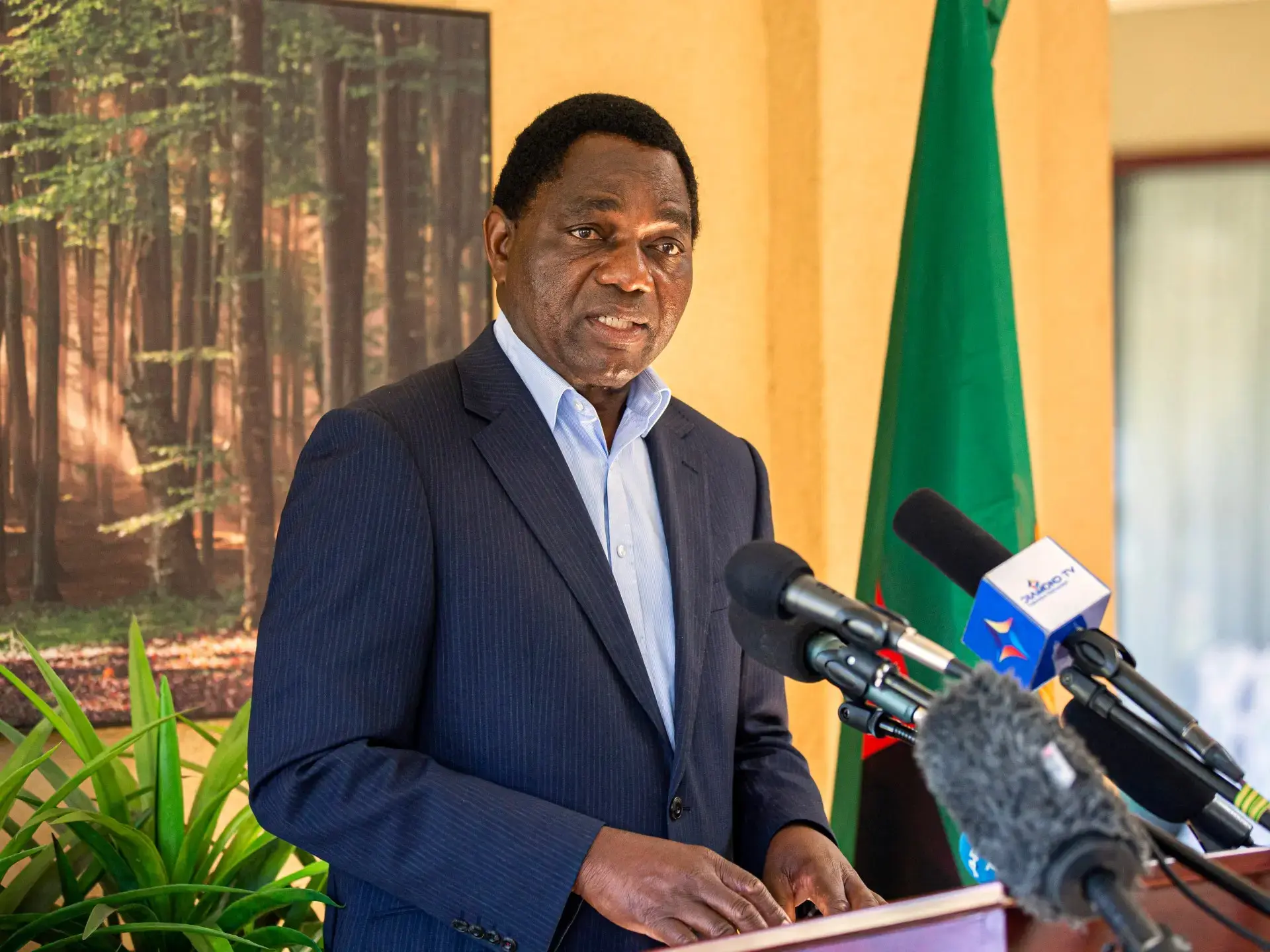
President Hakainde Hichilema was sworn in for a second term on Thursday, despite ongoing disputes over the recent election results and the arrest of opposition figures, raising concerns about democratic stability in Zambia. The ceremony took place at the national palace, with regional leaders present, while legal challenges continue to question the vote's integrity.
Breaking news
 Deadly Glacier and Rock Collapse in Nepal Linked to Climate Warming
 US Congress Passes Sweeping Sanctions Against Russia
 Speaker Johnson Ends House Session Early to Halt Impeachment Effort
 The High-Stakes Fight for Senate Majority Control
Hichilema, leader of the United Party for National Development, secured 59% of the vote in the August 11 poll, according to the electoral commission. Yet opposition parties and civil society allege widespread irregularities, including ballot stuffing and delayed results in key provinces. The arrests of several opposition legislators on suspicion of incitement have intensified tensions. Government officials argue the arrests were based on credible threats, while critics view them as a tactic to silence dissent. The situation reflects deeper political fractures that have persisted since the 2020 elections.
Hichilema was sworn in at the national palace on Thursday, with senior officials and regional leaders in attendance. The ceremony marked the start of his second five‑year term.
The electoral commission reported a 59% share for Hichilema, but opposition groups claim irregularities such as ballot stuffing and delayed tallies in several provinces.
Legal petitions have been filed, and the Supreme Court is expected to review the case, adding uncertainty to the transition.
Police detained several opposition lawmakers on suspicion of incitement, a move condemned by rights groups. Authorities say the arrests prevented potential violence, while critics argue they silence dissent.
Is Zambia’s Democracy at Risk?
The growing divide between the ruling party and civil society threatens to undermine public trust in upcoming reforms.
Analysts warn that prolonged dispute could deter foreign investment and stall economic progress, which has shown modest growth in recent years. The government insists stability will return, but the path forward remains uncertain.
What percentage of the vote did Hichilema receive? Official results gave him 59% of the vote, according to the electoral commission. The figure was announced after the August 11 poll.
Why were opposition legislators arrested? They were detained on suspicion of incitement, a charge the government says was necessary to prevent unrest. Opponents argue the arrests were a tactic to silence dissent.
How might the vote dispute affect Zambia’s economy? Persistent uncertainty could deter foreign investment and delay reforms, impacting the modest growth seen in the past year. Analysts say the political stalemate may also affect public spending and confidence.