What Is Driving the AfD's Surge in Popularity?
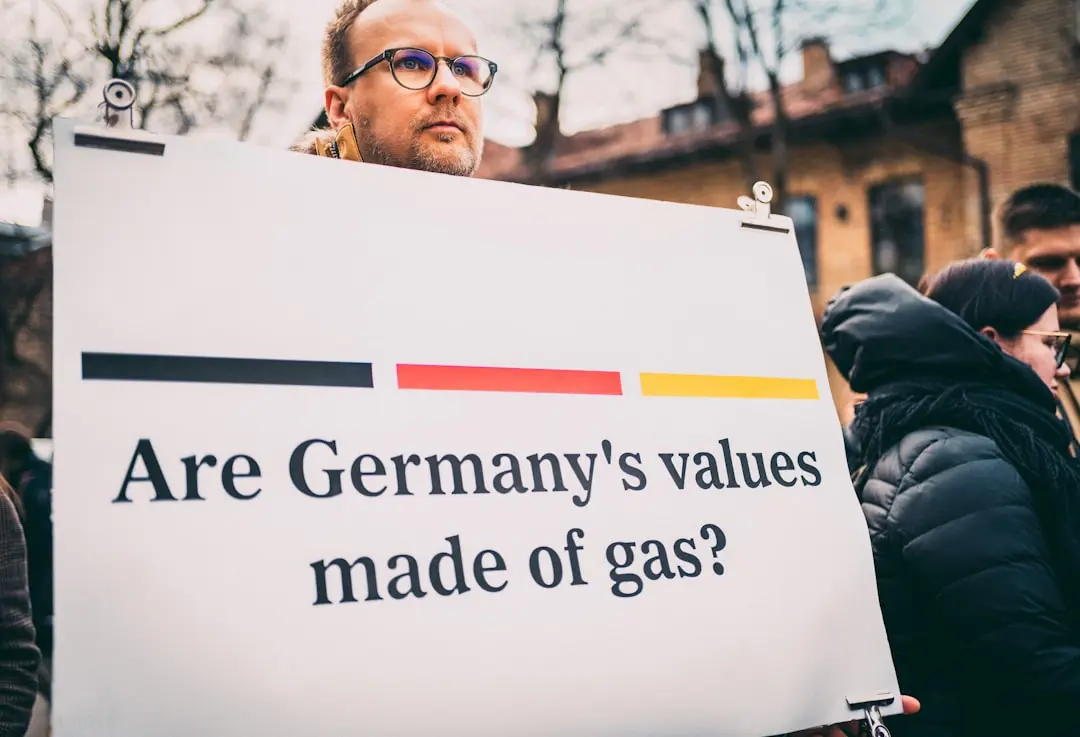
Germany's far-right Alternative for Germany (AfD) party is projected to win power in one of the country's 16 federal states for the first time in its history, according to recent polling data. The surge in support comes amid growing voter dissatisfaction with mainstream parties over migration, economic concerns, and energy policy. Analysts say the AfD's rise reflects broader shifts in German politics, particularly in eastern states where the party has gained significant traction. The development marks a potential turning point in postwar German democracy, as no far-right party has ever led a state government since World War II.
Breaking news
 Deadly Glacier and Rock Collapse in Nepal Linked to Climate Warming
 US Congress Passes Sweeping Sanctions Against Russia
 Speaker Johnson Ends House Session Early to Halt Impeachment Effort
 The High-Stakes Fight for Senate Majority Control
The AfD's momentum stems from its hardline stance on immigration, opposition to EU climate policies, and criticism of Germany's energy transition following the Russia-Ukraine war. Voters in regions like Thuringia and Saxony have expressed frustration with rising living costs and perceived neglect by Berlin-based coalitions. The party has also benefited from declining trust in traditional institutions, positioning itself as a voice for those feeling left behind by globalization and rapid social change. Recent polls show the AfD leading or tied for first place in several eastern state elections scheduled for later this year.
Could This Victory Reshape Germany's Political Landscape?
If the AfD secures a state government, it would gain control over key domestic policies including education, policing, and local infrastructure, even though defense and foreign affairs remain federal responsibilities. Constitutional experts warn that such a win could embolden far-right movements across Europe and challenge Germany's postwar commitment to democratic stability. Mainstream parties have ruled out coalitions with the AfD, but a strong showing might force them into difficult negotiations or lead to minority governments. The outcome could also influence federal politics ahead of the next national election.
What makes this election potentially historic for the AfD? It would mark the first time the party leads a state government in Germany, breaking a longstanding taboo against far-right leadership in regional power since 1945.
Frequently Asked Questions
Which states are most likely to see an AfD victory? Current polling indicates Thuringia and Saxony as the most probable targets, where the AfD has consistently outperformed other parties in recent surveys.
How have other German parties responded to the AfD's rise? All major parties have refused to form coalitions with the AfD at any level, citing concerns over its extremist ties and commitment to democratic norms, though some local cooperation has occurred in practice.