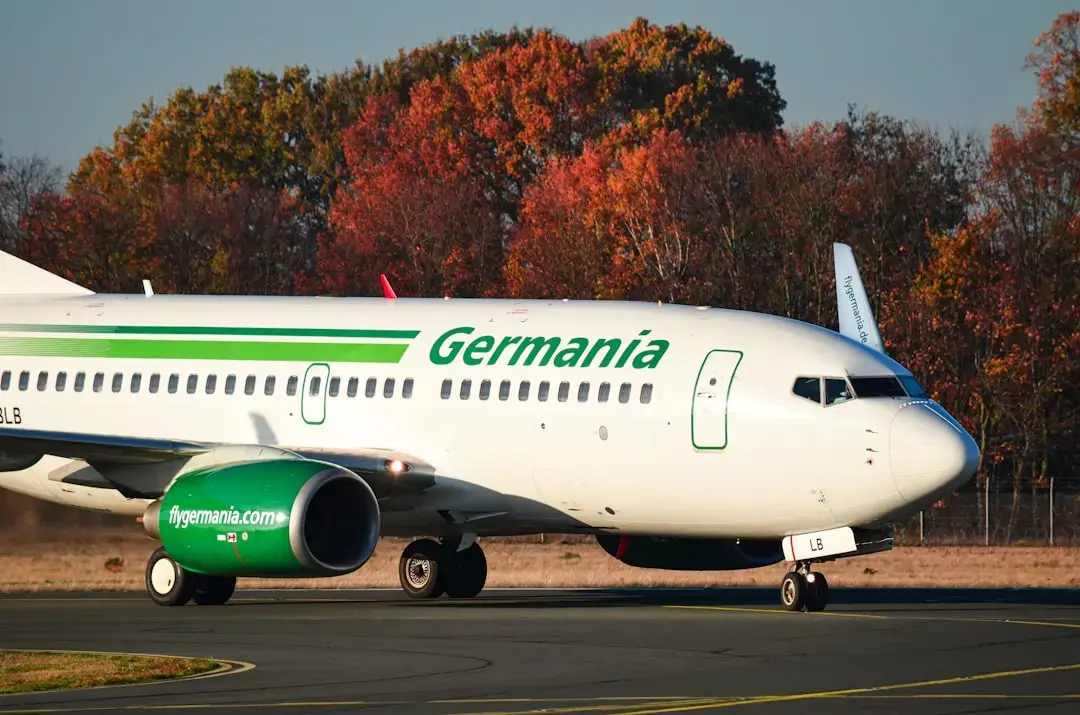
The airport serves as a key logistics hub for military aid flowing to Ukraine
Berlin has accused Moscow of orchestrating a recent drone attack on Leipzig/Halle Airport, marking a sharp escalation in tensions between Germany and Russia. German officials say the incident is part of a broader pattern of hybrid warfare aimed at destabilising Europe’s largest economy ahead of pivotal elections. The accusation reflects a dramatic reversal from years of economic engagement with the Kremlin. For over a decade, Germany pursued a policy of rapprochement with Russia, particularly under former Chancellor Angela Merkel, prioritising energy ties and diplomatic dialogue. That approach came under scrutiny after Russia’s annexation of Crimea in 2014 and intensified following the full-scale invasion of Ukraine in 2022. Berlin has since become one of Kyiv’s strongest military supporters, supplying advanced weapons systems and endorsing sanctions against Moscow. Why Is Leipzig a Target in Russia’s Hybrid Strategy?
Breaking news
 Deadly Glacier and Rock Collapse in Nepal Linked to Climate Warming
 US Congress Passes Sweeping Sanctions Against Russia
 Speaker Johnson Ends House Session Early to Halt Impeachment Effort
 The High-Stakes Fight for Senate Majority Control
Experts suggest the drone strike on Leipzig/Halle Airport was not random but a calculated signal.
The airport serves as a key logistics hub for military aid flowing to Ukraine, including components for air defence systems. Disrupting such infrastructure, even symbolically, aims to undermine confidence in Germany’s ability to sustain support for Kyiv. Intelligence analysts note the attack bears hallmarks of deniable operations often linked to Russian state-backed units. The incident occurred amid heightened alert across German critical infrastructure, with authorities reporting increased surveillance of energy grids, transport networks, and government facilities. While no casualties were reported, the breach raised concerns about vulnerabilities in airfield security and the evolving tactics of hybrid threats targeting NATO members. Can Germany Sustain Its Hard Line Against Moscow Amid Economic Pressure? Despite strong public backing for Ukraine, Germany faces internal debate over the long-term costs of confrontation with Russia. Energy prices remain elevated compared to pre-2022 levels, and some industries warn of competitiveness losses.
Yet political leaders across the coalition have largely united in framing
Yet political leaders across the coalition have largely united in framing Russia as a systemic threat, not just a regional adversary. Chancellor Olaf Scholz reiterated that any attack on German soil, regardless of scale, will be met with a firm response. Defence officials are reviewing air defence protocols at civilian airports, particularly those near eastern borders. The episode has also accelerated calls for greater investment in drone detection and electronic countermeasures at critical sites. Frequently Asked Questions Was the drone attack on Leipzig Airport confirmed to be carried out by Russia? German authorities have accused Moscow of being behind the incident, citing intelligence assessments, but have not released public evidence linking specific individuals or units to the strike. Why is Germany considered Russia’s main target in Europe now?
As Europe’s largest economy and a leading supplier of military aid to Ukraine, Germany represents both a strategic and symbolic target for Moscow seeking to weaken Western solidarity. Could this incident lead to NATO Article 5 being invoked? No. Article 5 applies only to armed attacks recognised as such by NATO, and officials have classified the drone incident as a hybrid threat below the threshold of collective defence triggers.