Why the Runway Is Called a „Fundamental Mistake”
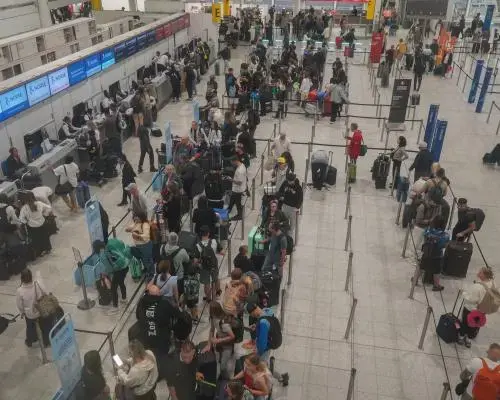
The UK government announced on 4 August that Gatwick Airport will proceed with a second runway after a court dismissed the final legal challenge. The decision applies to the south‑east airport, which already handles over 45 million passengers each year. Environmental groups and some local officials warned the move would deepen the nation’s climate crisis.
Breaking news
 Deadly Glacier and Rock Collapse in Nepal Linked to Climate Warming
 US Congress Passes Sweeping Sanctions Against Russia
 Speaker Johnson Ends House Session Early to Halt Impeachment Effort
 The High-Stakes Fight for Senate Majority Control
The runway proposal emerged from a consortium of airlines seeking to increase capacity and reduce delays. Critics argue the expansion is driven by profit, not by genuine economic necessity. Aviation accounts for roughly 12 percent of the United Kingdom’s transport emissions, a share that has risen despite modest passenger growth. The government’s own climate targets require a rapid cut in carbon output, yet the new runway would lock in additional flights for decades.
Roger Haydon, a long‑time aviation commentator, described the project as a „dangerous mistake” that ignores the sector’s environmental impact. He noted that the runway would enable roughly 30 million extra take‑offs and landings by 2035, adding an estimated 4 million tonnes of CO₂ annually. Haydon pointed out that the aviation industry markets itself as essential to the UK economy, but most flights serve leisure travel rather than critical business needs. „Most passengers are on holiday, not on a mission that sustains the nation’s productivity,” he wrote. Independent analysis supports his claim, showing that the contribution of aviation to GDP is modest compared with manufacturing and services.
Can the UK Meet Net‑Zero Goals with More Runways?
Adding capacity at Gatwick appears to clash with the country’s net‑zero ambition for 2050. The Climate Change Committee has warned that aviation must shrink its carbon footprint, either through new technology or reduced demand. Expanding runway infrastructure makes it harder to achieve these reductions, as it encourages airlines to fill more seats rather than invest in cleaner aircraft. Some experts suggest that a shift toward high‑speed rail for domestic trips could offset the need for additional airport capacity. However, the government has pledged £500 million for sustainable aviation fuel research, hoping to reconcile growth with emissions cuts.
The controversy highlights a broader tension between economic growth narratives and climate responsibility. If the runway proceeds, the UK may face increased pressure from the European Union and domestic courts to tighten emissions standards for airlines. Public opposition could grow, especially as climate‑related protests gain momentum across the country. The outcome will likely shape future transport policy and influence how the nation balances prosperity with environmental stewardship.
Frequently Asked Questions
What is the expected increase in flights if the second runway opens? Projections suggest an additional 30 million aircraft movements by 2035, which would raise aviation‑related CO₂ emissions by about 4 million tonnes each year.
How does the runway affect the UK’s net‑zero target? More capacity encourages higher passenger numbers, making it harder to meet the 2050 net‑zero goal unless airlines adopt low‑carbon technologies or reduce flight frequency.
Are there alternatives to expanding airport capacity? Investments in high‑speed rail, improved airport efficiency, and sustainable aviation fuels are cited as possible ways to accommodate demand without building new runways.