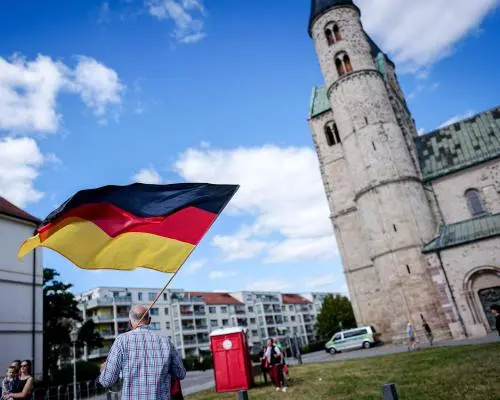
Rising Tensions in Magdeburg’s Streets
The Alternative für Deutschland (AfD) party captured an unprecedented share of the vote in the Saxony‑Anhalt state election held on Sunday, sending shockwaves through Germany’s capital city, Magdeburg. The result marks the highest ever percentage for the far‑right in the region, prompting anxiety among residents and political observers alike.
Breaking news
 Deadly Glacier and Rock Collapse in Nepal Linked to Climate Warming
 US Congress Passes Sweeping Sanctions Against Russia
 Speaker Johnson Ends House Session Early to Halt Impeachment Effort
 The High-Stakes Fight for Senate Majority Control
The breakthrough came as the AfD secured roughly 27 % of the ballots, overtaking the centre‑right CDU in several districts and pushing the Social Democrats into third place. Analysts attribute the surge to growing concerns over immigration, economic stagnation, and a perception that mainstream parties have failed to address local grievances. The party’s hard‑line rhetoric on border control and cultural identity resonated with voters who feel left behind by globalization. In the capital, cafés and public squares filled with heated discussions, while protests erupted outside the state parliament demanding a firm response.
On the evening after the results, young people gathered near the railway station, their conversations punctuated by disbelief and fear. Maryam, a university student, told a friend, „I wish we could go back to the days of Angela Merkel,” reflecting a longing for perceived stability. She added, „The numbers are frightening; it feels like our city is slipping into a darker chapter.” Similar sentiments were echoed by local business owners who worry about the impact on tourism and investment. Police reported a modest increase in confrontations between AfD supporters and anti‑extremist demonstrators, though no major incidents were recorded.
What Does This Victory Mean for Germany’s Political Landscape?
The AfD’s historic performance raises questions about the future of Germany’s post‑war consensus. Experts warn that the party’s entry into regional governments could legitimize extremist discourse and shift policy debates toward stricter immigration laws and nationalist rhetoric. Coalition talks in Berlin may become more complicated, as the ruling SPD and its allies must balance the need to contain far‑right influence with maintaining a functional government. Meanwhile, civil‑society groups are mobilising to counteract hate speech and protect minority communities, fearing that the electoral win could embolden radical elements.
The election outcome also signals a broader European trend where populist parties capitalize on economic uncertainty and cultural anxieties. If the AfD continues to grow, it could reshape Germany’s role in the European Union, potentially challenging the bloc’s commitment to open borders and shared values. Observers stress that the coming months will test the resilience of democratic institutions and the capacity of mainstream parties to reclaim lost voters.
Frequently Asked Questions
How many votes did the AfD receive in Saxony‑Anhalt? The party garnered about 27 % of the total vote, translating to roughly 300,000 ballots, the highest share it has ever achieved in the state.
What are the main issues driving the AfD’s popularity? Key factors include concerns over immigration, perceived neglect of rural economies, and frustration with established parties’ handling of the cost‑of‑living crisis.
Will the AfD join the state government? At present, the party has not announced coalition plans; however, its strong showing gives it leverage in any future negotiations with other parties.