AfD’s Rise and the Collapse of the CDU Bloc
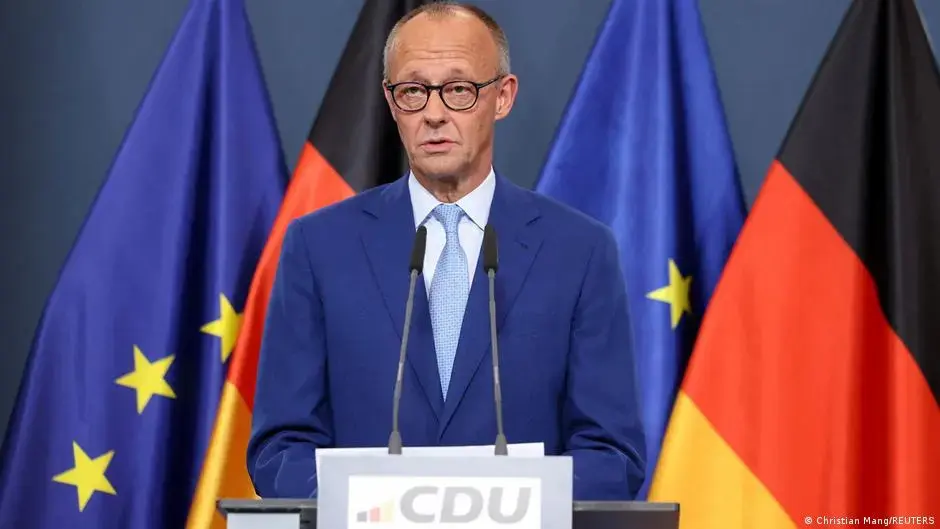
The Alternative for Germany (AfD) secured the highest share of votes in the Mecklenburg-Western Pomerania state election held on September 20, 2026, according to preliminary results. The far-right party outperformed all competitors, marking a significant shift in the region’s political landscape. The Christian Democratic Union (CDU), traditionally strong in the state, failed to surpass the five percent threshold required to enter the state parliament, resulting in its exclusion from the legislative body for the first time in decades.
Breaking news
 South Korea Weighs Strong Response After DMZ Landmine Blast
 Quebec Separatists Promise Referendum After Election Victory
 Pacific Leaders Demand Firm Commitment to Fossil Fuel Exit
 Green Party Faces Crisis After Controversial Vote
This outcome reflects growing voter dissatisfaction with mainstream parties, particularly over issues such as migration, economic policy, and national identity. The AfD’s campaign emphasized strict immigration controls and criticism of federal government policies, resonating with voters in rural and economically challenged areas. Meanwhile, the CDU’s decline follows a series of poor performances in recent state elections, raising questions about its relevance in eastern Germany. Voter turnout was reported at approximately 61 percent, slightly above the national average for state elections.
What Does This Mean for Coalition Building?
The AfD received around 29 percent of the vote, placing it ahead of the Social Democratic Party (SPD), which came in second with roughly 22 percent. The Left party and the Greens also failed to reach the five percent threshold, further fragmenting the political field. AfD state leader Leif-Erik Holm described the result as a „clear mandate for change,” arguing that voters had rejected the status quo. In contrast, CDU regional chairman Lorenz Gösta Beutin conceded defeat, stating the party must „honestly confront why it lost touch with citizens.” Political analysts note that the AfD’s success in Mecklenburg-Western Pomerania mirrors its gains in other eastern states, where it has increasingly displaced the CDU as the dominant conservative force.
With no single party holding a majority, coalition negotiations will be complex. The AfD has ruled out governing with the CDU, which is no longer in parliament, and mainstream parties have largely refused to cooperate with the AfD due to its far-right classification by domestic intelligence agencies. This leaves the SPD as a potential kingmaker, possibly seeking to form a minority government or explore unconventional alliances. However, such arrangements could prove unstable, raising concerns about governability in the state. Observers warn that prolonged political deadlock may lead to another election within months.
Why did the CDU fail to reach the five percent threshold? The CDU lost support due to voter dissatisfaction with its handling of local economic issues and its perceived alignment with federal policies unpopular in the region. Many traditional CDU voters shifted to the AfD or abstained.
Frequently Asked Questions
Can the AfD form a government despite other parties refusing to work with it? While the AfD won the most votes, it lacks sufficient seats to govern alone and faces broad opposition from other parties, making a solo government unlikely without rule changes or unexpected alliances.
What are the implications for national politics? The result strengthens the AfD’s position as a major force in eastern Germany and increases pressure on federal parties to address regional grievances, potentially influencing upcoming national election strategies.