Strategic Capital and Political Leverage
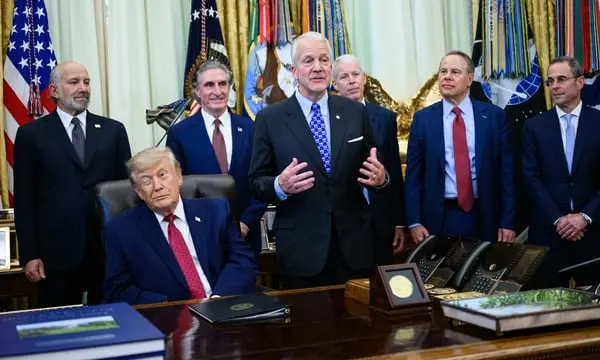
As the U. S. election cycle intensifies, Donald Trump is increasingly leveraging investment commitments from Japan and South Korea to bolster his political standing. These international financial pledges serve as high-profile evidence of his economic agenda. Senator Dan Sullivan and other officials are highlighting these foreign contributions to demonstrate the effectiveness of current diplomatic strategies.
Breaking news
 Ronna McDaniel Weighs In on GOP's Path Forward
 Market Sentiment Shifts as S&P 500 Snaps Three-Day Losing Streak
 Voters Demand Stronger Congressional Oversight of Presidential Power
 Pelosi Looks Back, Sees Democratic Triumph Ahead
The strategy focuses on securing large-scale industrial projects that promise domestic job creation. By showcasing these partnerships, the campaign aims to convince voters that international allies are actively supporting the American economy under his influence. This narrative turns complex foreign policy negotiations into tangible campaign milestones designed to resonate with the domestic electorate.
Foreign investment serves as a powerful metric for economic success during a campaign. When Japanese and South Korean firms announce plans to build facilities or expand operations in the United States, it provides immediate talking points. These announcements are framed as direct results of diplomatic pressure and favorable business conditions established by the administration.
Will International Alliances Sustain This Momentum?
The timing of these investment pledges is deliberate. By concentrating these announcements in the final stretch before the polls open, the campaign creates a sense of momentum. This approach aims to overshadow criticisms regarding trade deficits or protectionist policies. Instead, the focus remains on the influx of capital and the promise of future manufacturing growth.
The reliance on these specific investment pledges raises questions about long-term economic stability. While foreign capital provides a short-term boost to local economies, critics argue that these deals may come with hidden diplomatic costs. Maintaining this level of investment requires constant negotiation and delicate handling of regional trade interests.
Frequently Asked Questions
Ultimately, the success of this strategy depends on the public perception of these deals. If voters view these investments as genuine signs of economic health, the campaign gains a significant advantage. However, if the promises fail to materialize into actual jobs, the political narrative could quickly shift. The outcome of the election will determine whether this reliance on foreign investment remains a cornerstone of future economic policy.
Why are Japan and South Korea central to this election strategy? These nations are major global investors with strong ties to the American manufacturing sector. Their commitments provide the campaign with visible, high-value projects that appeal to voters concerned about domestic industry.
Does this strategy guarantee long-term economic growth? Not necessarily. While these pledges bring immediate capital, their long-term impact depends on how effectively these projects are integrated into the U. S. economy. Political shifts can also influence the longevity of these international agreements.



