A Silent Crisis in Healthcare Access
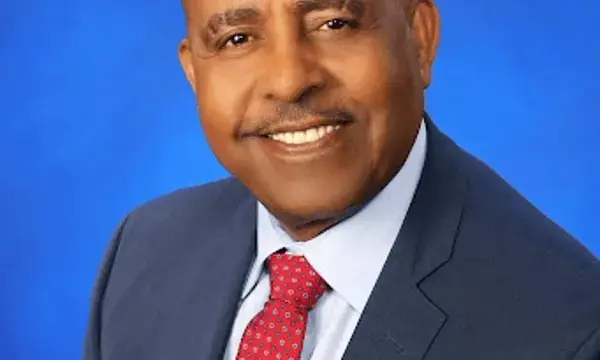
Dr. Moses Haregewoyn is calling for a rethinking of global health governance. He emphasizes the urgent need for new strategies to ensure healthcare access, especially as governments struggle to maintain effective systems. In many instances, governments fail to openly acknowledge their inability to provide adequate healthcare. This leads to a gradual erosion of services, where eligible citizens slip through the cracks of complex eligibility criteria and enrollment processes.
Breaking news
 Deadly Glacier and Rock Collapse in Nepal Linked to Climate Warming
 US Congress Passes Sweeping Sanctions Against Russia
 Speaker Johnson Ends House Session Early to Halt Impeachment Effort
 The High-Stakes Fight for Senate Majority Control
The ongoing issues in healthcare governance are often subtle yet deeply damaging. Citizens who should qualify for services find themselves lost in bureaucratic red tape. Enrollment backlogs are a common problem, resulting in delays and denials of care. Dr. Haregewoyn highlights that without proactive measures, these gaps will only widen, leaving vulnerable populations at risk.
Dr. Haregewoyn’s insights are particularly relevant in light of recent global health crises. He argues that traditional models of governance are insufficient to address the complexities of modern healthcare needs. „We need a governance structure that is adaptable and responsive,” he stated during a recent conference.
Can New Governance Models Address These Challenges?
The question remains: what can be done to improve global health governance? Dr. Haregewoyn suggests that innovative frameworks are essential. These models should prioritize inclusivity and accessibility, ensuring that all citizens can receive necessary healthcare services.
His proposals include leveraging technology to streamline enrollment processes and enhance communication between healthcare providers and patients. By adopting such measures, governments can minimize delays and improve overall health outcomes.
The implications of failing to address these governance gaps are significant. As healthcare systems continue to falter, the burden on vulnerable populations will increase. Dr. Haregewoyn warns that without immediate action, we risk exacerbating existing inequalities in health access.
Frequently Asked Questions
What is Dr. Haregewoyn advocating for in global health governance? He is calling for new governance models that prioritize accessibility and inclusivity in healthcare systems.
Why is current healthcare governance considered inadequate? Current systems often fail to acknowledge their shortcomings, leading to eligible individuals being overlooked due to bureaucratic complications.
What solutions does Dr. Haregewoyn propose? He suggests using technology to improve enrollment processes and enhance communication, making healthcare more accessible to all.