Confronting Extraterritorial Reach
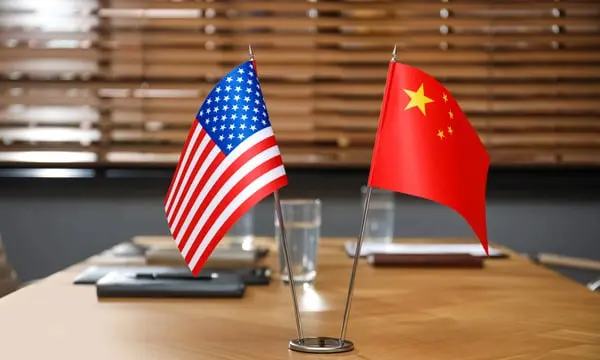
President Donald Trump faces growing pressure to confront Chinese leader Xi Jinping regarding Beijing’s controversial ethnic unity law during their upcoming Washington summit. Advocates urge the administration to explicitly warn the Chinese government that any attempts to enforce these extraterritorial mandates against individuals residing within the United States will be met with firm resistance.
Breaking news
 Montenegro, Albania Seek NATO Help to Counter Russian Disinformation
 Ronna McDaniel Weighs In on GOP's Path Forward
 Market Sentiment Shifts as S&P 500 Snaps Three-Day Losing Streak
 Voters Demand Stronger Congressional Oversight of Presidential Power
The legislation in question serves as a primary tool for Beijing to exert control over minority populations. Critics argue that the law’s reach extends far beyond China’s borders, potentially threatening the rights and safety of ethnic groups living abroad. By addressing this policy directly, the White House aims to establish clear boundaries regarding foreign interference and the protection of civil liberties on American soil.
The core of the concern lies in the law's potential to intimidate diaspora communities. If left unaddressed, observers fear that Chinese authorities may use the framework to monitor or harass citizens and residents in the U. S. who fall under the scope of this ethnic policy. Diplomatic experts suggest that a direct conversation is the only way to signal that such actions are unacceptable.
Will Diplomacy Curb Beijing’s Influence?
U. S. officials are expected to emphasize that American sovereignty remains paramount. The administration must ensure that no foreign entity can coerce individuals living under U. S. jurisdiction. By placing this issue at the center of the bilateral agenda, Washington intends to signal a shift toward a more assertive stance on human rights and international law.
The success of these talks depends on whether the Chinese leadership views the American warnings as a credible deterrent. If the administration fails to secure a firm commitment from President Xi, the risk of continued surveillance and pressure on minority groups may escalate. A strong public stance from the President could provide necessary protection for vulnerable populations.
Frequently Asked Questions
Future relations between the two powers will likely hinge on how these sensitive topics are managed. If the U. S. successfully forces a rollback or a clarification of the law's application, it could set a significant precedent for international relations. Failure to act, however, may embolden Beijing to expand its legislative influence further into Western territories.
What is the primary goal of the proposed discussion? The goal is to prevent the Chinese government from enforcing its ethnic unity law against individuals residing in the United States. Officials want to ensure that foreign policies do not infringe upon the rights or safety of people on American soil.
Why is this law considered a threat to international norms? The law is viewed as an attempt to exert control over ethnic groups regardless of their location. Critics argue this violates national sovereignty and threatens the security of diaspora communities living in democratic nations.


