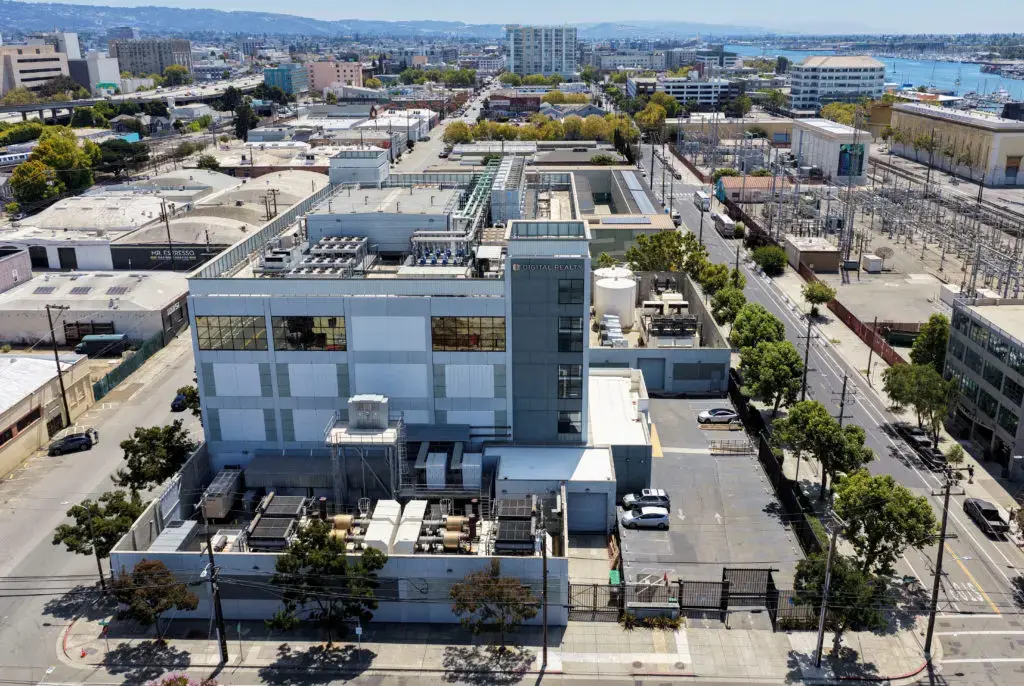
How Are Local Governments Responding to Data Center Proposals?
The debate over data center expansion in American communities has become a defining issue in the 2026 midterm elections, with candidates across party lines taking clear stances on infrastructure growth, energy use, and local impacts. From rural towns to suburban corridors, the controversy has shifted voter priorities and campaign messaging in key battleground districts.
Breaking news
 Deadly Glacier and Rock Collapse in Nepal Linked to Climate Warming
 US Congress Passes Sweeping Sanctions Against Russia
 Speaker Johnson Ends House Session Early to Halt Impeachment Effort
 The High-Stakes Fight for Senate Majority Control
Supporters argue data centers bring high-paying tech jobs, boost local tax revenues, and position regions for future innovation, while critics warn of strained power grids, rising electricity costs for residents, and excessive water consumption for cooling systems. In states like Virginia and Ohio, where multiple facilities are proposed or under construction, the issue has united unlikely coalitions of environmental groups, utility consumers, and some small business owners concerned about long-term sustainability.
Municipalities are adopting varied approaches, with some offering tax incentives to attract investment and others imposing moratoriums to study environmental effects. In Loudoun County, Virginia, officials approved a new zoning framework limiting facility size after residents protested over noise and light pollution. Meanwhile, in Columbus, Ohio, a city council vote delayed a major project pending review of its projected energy demand, which officials say could equal that of a medium-sized town.
Exit polls from recent primaries show that while economic development remains important, a growing share of voters now prioritize environmental safeguards and utility affordability when evaluating candidates. In Pennsylvania’s 7th District, a Republican incumbent lost her primary after facing backlash for supporting a data center deal that opponents said would increase household electric bills by an estimated 15%. Democratic challengers in Arizona and Georgia have made grid resilience a central theme, linking data center growth to broader climate adaptation strategies.
What Trade-Offs Are Voters Weighing in Key Races?
The issue is no longer confined to tech policy debates but has entered mainstream electoral discourse, influencing fundraising, endorsements, and voter turnout efforts. As election day approaches, both parties are refining their positions, recognizing that how communities balance technological progress with local quality of life could determine outcomes in dozens of competitive races nationwide. Frequently Asked Questions How do data centers affect local electricity prices? They can increase demand significantly, sometimes leading to higher rates for residential customers if grid upgrades are needed and costs are passed through utility bills.
Why are some communities opposing data center projects? Concerns include excessive water use for cooling, noise pollution, strain on aging infrastructure, and long-term environmental impacts that may outweigh promised economic benefits.
Are there federal regulations governing data center construction? Currently, most oversight occurs at the state and local level, with no comprehensive federal law specifically addressing data center siting, energy use, or environmental impact assessments.