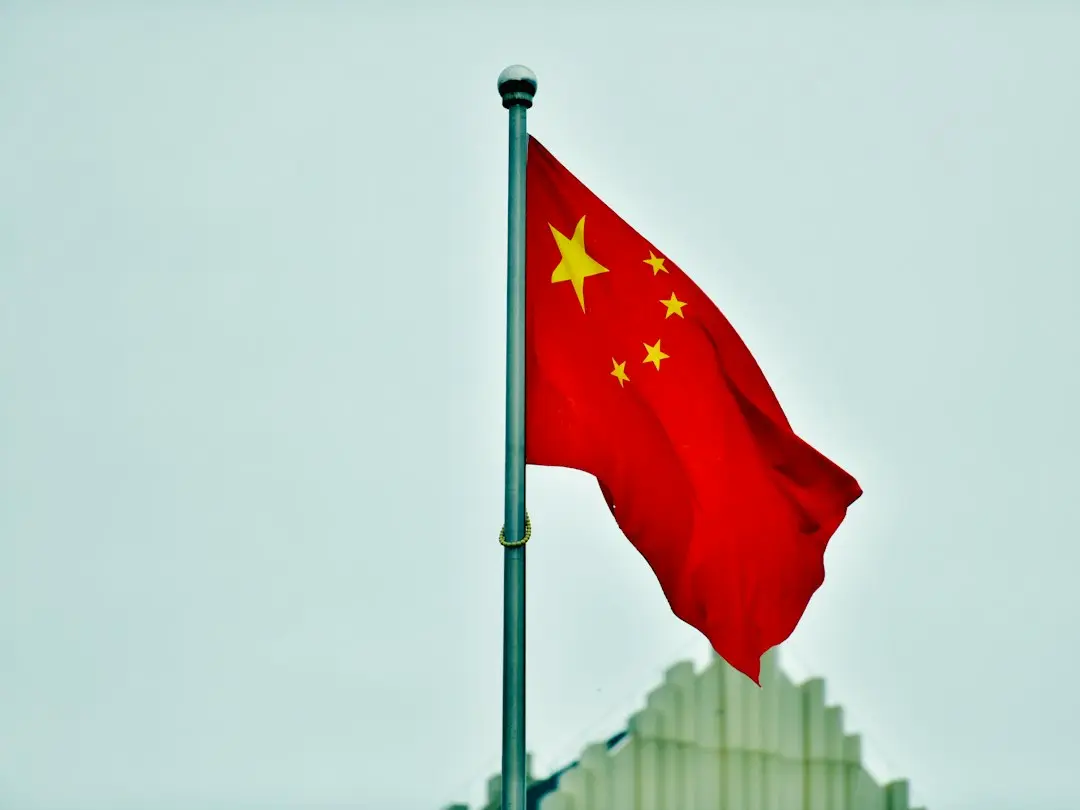
Strategic Consolidation Reshapes Domestic Banking Landscape
Beijing has closed a record 670 banks this year, eliminating roughly one-quarter of its total banking institutions. This aggressive move signals a major shift in how China manages its financial landscape. The central government is actively consolidating smaller lenders to strengthen the overall stability of the domestic financial system. Analysts view this as a critical step toward reducing systemic risk in the sector.
Breaking news
 Montenegro, Albania Seek NATO Help to Counter Russian Disinformation
 Ronna McDaniel Weighs In on GOP's Path Forward
 Market Sentiment Shifts as S&P 500 Snaps Three-Day Losing Streak
 Voters Demand Stronger Congressional Oversight of Presidential Power
The closure of these institutions reflects a broader strategy to streamline operations. Smaller regional banks often struggle with profitability and capital adequacy. By merging or shutting them down, regulators aim to create larger, more resilient entities. This consolidation process helps absorb potential losses from bad loans. It also allows for better oversight and management of non-performing assets across the network.
Oil Supply Risks and AI Valuation Concerns Loom
Regulators are prioritizing quality over quantity in the banking sector. Many of the closed banks were small rural credit cooperatives or city commercial banks. These institutions frequently faced liquidity constraints and weak governance structures. Merging them into larger state-owned or joint-stock banks improves balance sheet strength. The goal is to ensure that the banking system can support economic growth without excessive fragility. This approach mirrors similar consolidation efforts seen in other major economies during periods of financial stress.
Beyond banking, investors are watching two other key sectors with caution. Saudi Aramco’s chief executive has raised new concerns regarding global oil supply dynamics. Rising geopolitical tensions could disrupt production flows from major Middle Eastern exporters. Such disruptions would likely spike energy prices and fuel inflationary pressures globally. Simultaneously, the artificial intelligence sector faces scrutiny over its rapid valuation growth. Some market watchers argue that current pricing models may be unsustainable. There is growing debate about whether AI companies have reached a maturity stage that justifies their premium stock valuations.
How many banks did China close this year? China shut down a record 670 banks during the current period. This number represents approximately one-quarter of the country’s total banking institutions.
Frequently Asked Questions
Why is Beijing consolidating smaller banks? The government aims to shore up the financial system by merging weaker lenders. Larger institutions are generally better equipped to manage risks and maintain capital adequacy standards.
What are the main concerns regarding oil and AI? Investors worry about potential supply disruptions affecting global energy prices. Additionally, there is skepticism about whether high valuations in the AI sector are sustainable long-term.


