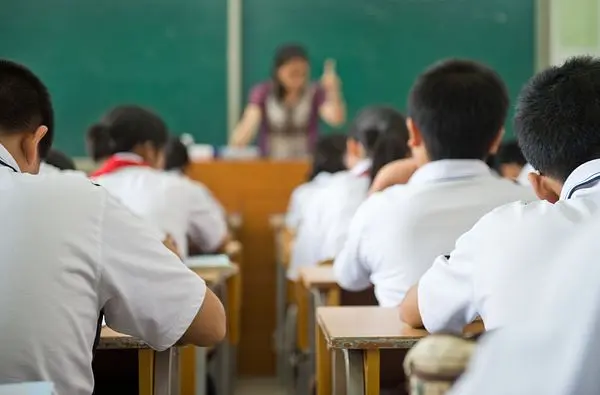
How Patriotic Education Works in China
Beijing and Moscow are aligning their approaches to patriotic education. The two nations are exchanging best practices on how to instill national pride in young citizens. This collaboration reflects a broader strategic partnership.
Breaking news
 Montenegro, Albania Seek NATO Help to Counter Russian Disinformation
 Ronna McDaniel Weighs In on GOP's Path Forward
 Market Sentiment Shifts as S&P 500 Snaps Three-Day Losing Streak
 Voters Demand Stronger Congressional Oversight of Presidential Power
The initiative emerged from the 31st China-Russia intergovernmental summit. Premier Li Qiang met President Vladimir Putin and Prime Minister Mikhail Mishustin in St. Petersburg. The meeting produced a joint communiqué outlining multiple collaborative initiatives. Educational cooperation stands out as a key pillar of this diplomatic engagement.
China has decades of experience in patriotic education programs. The system integrates national history, revolutionary heritage, and civic duty into school curricula. Students participate in flag ceremonies, museum visits, and commemorative events. These activities aim to build a shared national identity from an early age.
What Each Nation Can Learn From the Other
Russia, meanwhile, has developed its own model. The country emphasizes military history, space achievements, and cultural heritage. Russian schools run regular patriotic contests, historical reenactments, and veteran interviews. The two systems share a common goal: fostering loyalty to the state.
China can adopt Russia's structured approach to integrating patriotic themes across subjects. Russian educators can study China's long-term curriculum design. Both countries recognize that education is a soft-power tool. By sharing methods, they strengthen their mutual alignment.
The partnership extends beyond classrooms. It includes teacher exchanges, joint textbook development, and student mobility programs. These efforts reinforce the political and cultural bond between the two powers. Observers note that educational cooperation signals a long-term strategic commitment.
Frequently Asked Questions
What was the main outcome of the Li-Mishustin summit? The summit concluded with a detailed communiqué listing collaborative initiatives. Educational cooperation was highlighted as a priority area.
Why is patriotic education strategically important for both countries? It shapes young citizens' loyalty and supports national narratives. Both nations view it as essential for internal cohesion and external influence.
Will this cooperation expand to other sectors? Yes. The communiqué outlines initiatives across trade, technology, and culture. Education is just one component of a broader bilateral framework.


