The Stakes of the Second Chapter
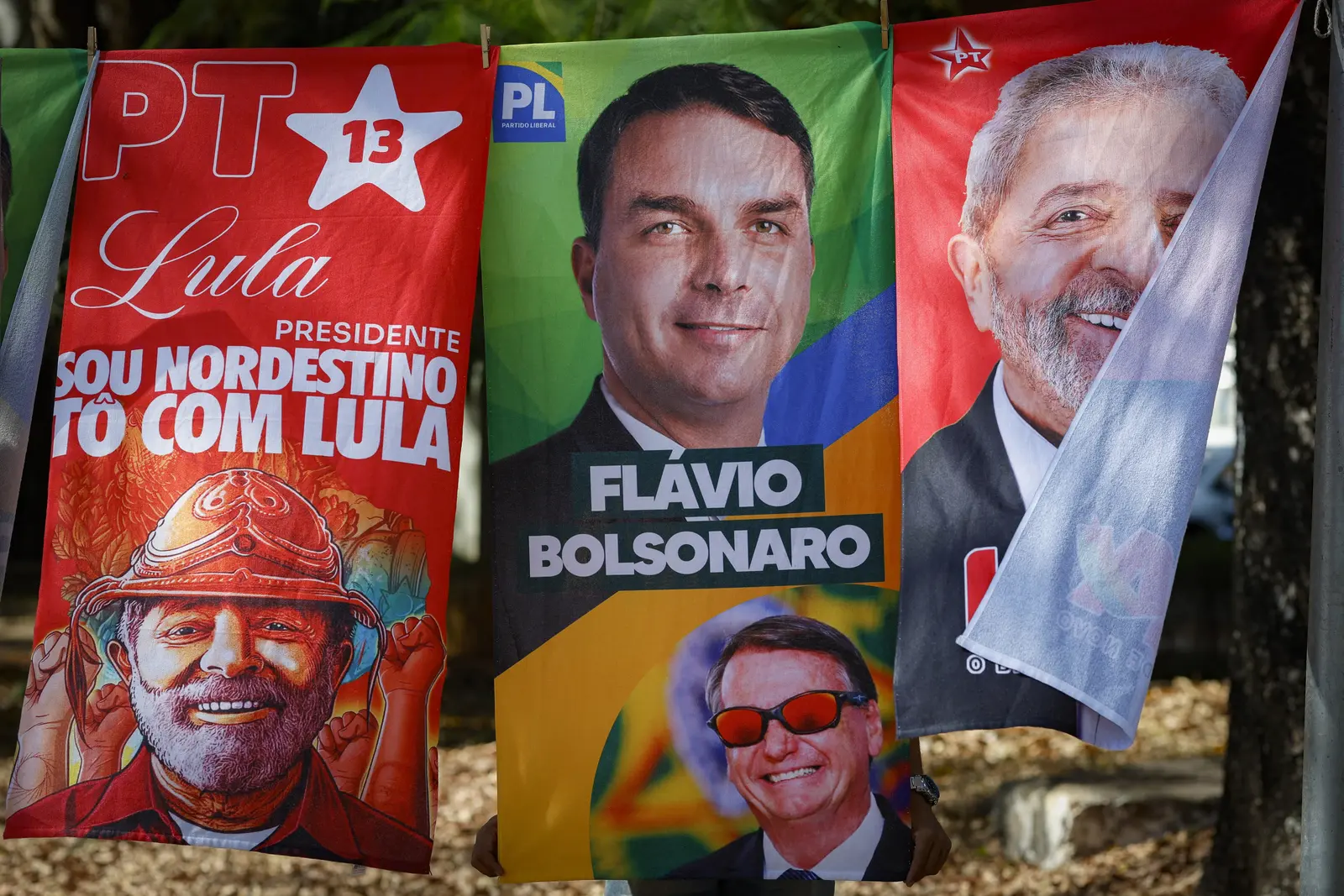
Four years after Luiz Inacio Lula da Silva defeated Jair Bolsonaro, Brazil is once again heading to the polls. The nation prepares for a pivotal election that promises to reshape its political landscape. Voters will decide the next leader of the world's largest democracy in South America. This contest marks a significant return to the ballot box for key figures. The atmosphere is charged with anticipation and historical weight.
Breaking news
 Trump Rejects AI Safety Measures Amid China Competition
 Behavioral Health and the Justice System: Accreditation and Continuity-of-Care Standards for Justice-Involved Individuals
 Britney Spears Dazzles in Bold Lingerie Shoot
 South Korea Weighs Strong Response After DMZ Landmine Blast
The upcoming vote represents a continuation of the intense rivalry that defined recent Brazilian politics. Lula, the former labor leader and current president, faces renewed scrutiny from his opponents. Bolsonaro, the far-right former president, remains a central figure despite legal challenges. The political climate has shifted dramatically since their last encounter. Economic stability and social policies are now the primary battlegrounds. Citizens are weighing their options carefully in this critical moment.
The rematch is not merely a repetition of the past conflict. It serves as a test of Lula’s second term performance. His administration has focused on social programs and environmental protections. Critics argue these efforts have not gone far enough. Supporters claim significant progress has been made in poverty reduction. The economic backdrop influences voter sentiment heavily. Inflation rates and job growth metrics play a crucial role. Both sides are campaigning vigorously across the country. Media coverage has intensified in the final weeks. Public opinion polls show a tight race. The outcome could determine the direction of Brazil's global standing.
Will History Repeat Itself?
Bolsonaro’s camp is working to regain momentum after a period of legal setbacks. His supporters remain loyal and mobilized. They emphasize national security and traditional values. Lula’s coalition is pushing for continuity and stability. They highlight their track record in international diplomacy. The debate centers on how to balance growth with equity. Young voters are a particularly contested demographic. Their priorities differ from older generations. Digital campaigns have become a major tool for both sides. Misinformation remains a persistent challenge for the electoral process.
The question on many minds is whether the previous result will hold. Historical patterns suggest high volatility in Brazilian elections. Swing districts could change hands again. Local issues may outweigh national narratives in some areas. The role of the judiciary in overseeing the vote is critical. Ensuring a fair and transparent process is paramount. International observers are expected to monitor the proceedings. The final tally will likely be close. A decisive victory may be hard to achieve. A runoff election remains a distinct possibility. The coming weeks will reveal the true strength of each camp.
Frequently Asked Questions
The consequences of this election extend beyond domestic politics. Brazil’s influence in regional organizations depends on its leadership. Trade agreements and climate commitments are at stake. The new president will shape Brazil's relationship with major powers. Investors are watching closely for policy signals. Market reactions could be swift and volatile. The global community awaits the outcome with interest. This election is a defining moment for Brazilian democracy. The next four years will test the resilience of its institutions. Voters hold the power to dictate the future path.
Why is this election considered a rematch? This contest features the same two main political factions that clashed four years ago. Lula and Bolsonaro are the central figures driving the narrative. Their rivalry defines the current political landscape.
What are the main issues in the campaign? Economic stability, social welfare programs, and environmental policy are key topics. Candidates are debating the best approach to national growth. Voter concerns focus on daily living costs and security.
