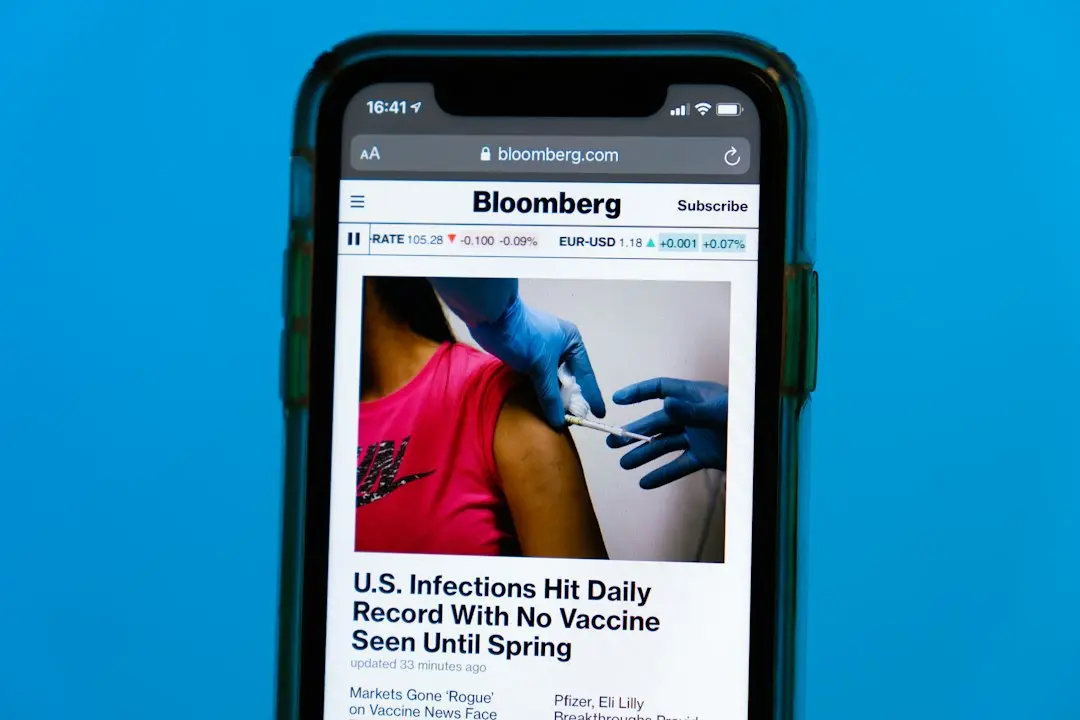
Bloomberg’s Strategy: Targeting Swing States and Digital Outreach
Michael Bloomberg, the former New York City mayor and billionaire philanthropist, announced Tuesday that he will commit $80 million to Democratic candidates in the upcoming midterm elections. The pledge arrives as the Democratic Party grapples with a fundraising slump and seeks to regain control of the House and Senate. The timing coincides with former President Donald Trump’s declaration that his political operation plans to spend $400 million to back Republican contenders.
Breaking news
 Montenegro, Albania Seek NATO Help to Counter Russian Disinformation
 Ronna McDaniel Weighs In on GOP's Path Forward
 Market Sentiment Shifts as S&P 500 Snaps Three-Day Losing Streak
 Voters Demand Stronger Congressional Oversight of Presidential Power
Bloomberg’s contribution marks one of the largest private cash infusions in recent election history. The money will be funneled through his political action committee, which focuses on voter outreach, data analytics, and advertising in swing districts. Bloomberg’s team says the funds aim to shore up candidates facing well‑financed Republican opponents and to counteract misinformation. The move underscores a growing trend of ultra‑wealthy donors stepping directly into the political arena, hoping to shape outcomes that align with their policy preferences.
Bloomberg’s $80 million will be allocated primarily to battleground states such as Pennsylvania, Michigan, and Wisconsin, where Democrats narrowly lost seats in the last cycle. His advisers plan to invest heavily in digital advertising, leveraging data‑driven micro‑targeting to reach undecided voters. „We’re not just writing checks; we’re building a ground game that can adapt in real time,” a senior Bloomberg campaign official told reporters. The strategy also includes funding for local grassroots organizations that can mobilize volunteers and increase voter registration among young and minority populations. Bloomberg’s previous forays into politics, including his 2020 presidential bid, have given him a sophisticated understanding of modern campaign tactics, which he now applies to help the party he supports.
Why Is Trump’s $400 Million War Chest Raising Questions?
Trump’s announcement that his political operation intends to spend $400 million has sparked debate about the influence of private money on democratic processes. Critics argue that such massive spending could drown out smaller voices and tilt the playing field in favor of candidates with deep pockets. Supporters counter that the funds will help Republicans compete against a Democratic establishment that has historically benefited from similar financial backing. „Money isn’t the issue; it’s about ensuring our message reaches voters who feel unheard,” a Trump campaign spokesperson said. The disparity between Bloomberg’s and Trump’s pledges highlights the escalating financial arms race that now defines U. S. elections.
The influx of cash from both sides could reshape the midterm landscape dramatically. Bloomberg’s investment may bolster Democratic chances in tightly contested districts, potentially narrowing the Republican advantage in the House. Conversely, Trump’s larger war chest could amplify Republican messaging, especially in rural and suburban areas where his base remains strong. As both campaigns ramp up spending, voters may see an unprecedented volume of ads, mailers, and digital content, intensifying the information environment ahead of November’s vote.
Frequently Asked Questions
How will Bloomberg’s money be distributed among candidates? The funds will be channeled through Bloomberg’s political action committee, which will prioritize swing districts, allocate resources for digital ads, and support grassroots voter‑registration drives.
What impact could Trump’s $400 million have on the election? The massive spend is expected to fund extensive advertising, data operations, and candidate support, potentially strengthening Republican outreach in key battlegrounds and influencing voter perception.
Is there a risk of voter fatigue from the surge in campaign advertising? Yes, the unprecedented volume of ads could overwhelm voters, leading some to disengage or become skeptical of political messaging, which may affect turnout and decision‑making.


