Navigating a Shifting Regional Order
Bangladesh faces a complex future. The nation aims to solidify its economic gains while navigating increasing global power competition. This requires a careful balance of economic development, diplomatic skill, and strong internal stability. The challenge is significant, demanding a unique approach to security.
Breaking news
 Deadly Glacier and Rock Collapse in Nepal Linked to Climate Warming
 US Congress Passes Sweeping Sanctions Against Russia
 Speaker Johnson Ends House Session Early to Halt Impeachment Effort
 The High-Stakes Fight for Senate Majority Control
The country has experienced substantial economic progress in recent decades. This growth has lifted millions out of poverty and improved living standards. However, continued success depends on maintaining this momentum. Simultaneously, Bangladesh must avoid being drawn into the strategic conflicts of larger nations. Its location makes it a key area for regional influence.
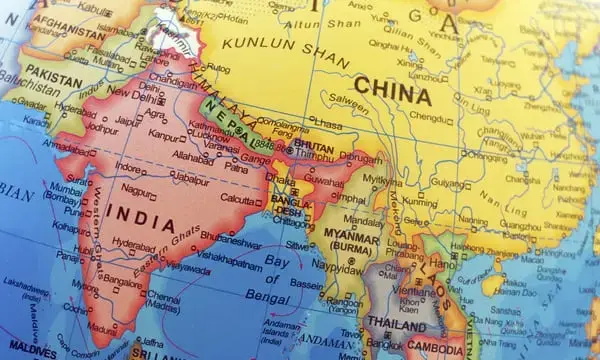
Bangladesh’s strategic position in South Asia is becoming increasingly important. Major powers are vying for influence in the region. This creates both opportunities and risks for Dhaka. The nation’s leaders recognize the need to pursue an independent foreign policy. They prioritize national interests above aligning with any single power. This approach is crucial for maintaining sovereignty and fostering regional stability.
Can Bangladesh Remain Neutral?
Diplomacy is central to Bangladesh’s strategy. The government actively engages with all major powers. It seeks to build strong economic and political ties. This allows Bangladesh to leverage its relationships for mutual benefit. It also ensures the country isn’t isolated or pressured into taking sides. Internal legitimacy is also vital, requiring strong governance and social cohesion.
Remaining neutral in a polarized world is a difficult task. Bangladesh must demonstrate its ability to act as an independent actor. This means resisting external pressures and pursuing its own development agenda. Economic strength provides a buffer against coercion. A diversified economy reduces reliance on any single partner. It also strengthens Bangladesh’s bargaining power on the international stage.
The nation's internal stability is equally important. Addressing social and economic inequalities is essential. This requires investing in education, healthcare, and infrastructure. It also means promoting inclusive growth that benefits all segments of society. A stable and prosperous Bangladesh is better equipped to navigate geopolitical challenges. Failure to address internal issues could create vulnerabilities that external actors might exploit.
Looking ahead, Bangladesh's success hinges on its ability to maintain this delicate balance. Continued economic growth, skillful diplomacy, and strong internal cohesion are all essential. The country must avoid becoming a pawn in the strategic games of others. Instead, it should focus on building a secure and prosperous future for its citizens. This requires a long-term vision and a commitment to national interests.
Frequently Asked Questions
What is Bangladesh’s primary security concern? Bangladesh views becoming entangled in the strategic rivalries of other nations as its biggest security threat. The country prioritizes building economic strength and internal stability as its primary defense mechanisms.
How is Bangladesh strengthening its diplomatic position? Bangladesh is actively engaging with all major global powers. It aims to establish strong economic and political relationships with each, ensuring it remains independent and avoids alignment with any single nation.
Why is internal stability so important for Bangladesh? Internal stability is vital because it strengthens Bangladesh’s resilience against external pressures. Addressing social and economic inequalities creates a more cohesive and prosperous society, better equipped to navigate geopolitical challenges.