Escalating Air Campaign Undermines Industrial Resilience
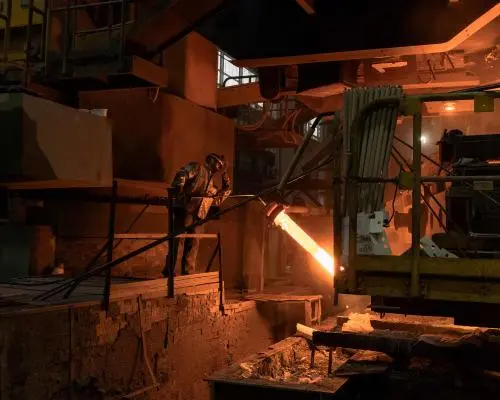
The world’s second‑largest steel producer, ArcelorMittal, announced the closure of Ukraine’s biggest steel mill on Friday. The decision follows four Russian air attacks in five weeks that inflicted severe damage, making „safe and sustainable” operations impossible, according to a statement to the Ukrainian government.
Breaking news
 Ronna McDaniel Weighs In on GOP's Path Forward
 Market Sentiment Shifts as S&P 500 Snaps Three-Day Losing Streak
 Voters Demand Stronger Congressional Oversight of Presidential Power
 Pelosi Looks Back, Sees Democratic Triumph Ahead
The plant, located in the industrial heartland of the east, has been a cornerstone of Ukraine’s steel output for decades. Repeated shelling has crippled key furnaces, power supplies and transport links, forcing the company to halt production indefinitely. ArcelorMittal said the attacks not only endangered workers but also threatened the broader supply chain that feeds automotive, construction and energy sectors across Europe. The shutdown adds to a series of blows to Ukraine’s already strained metallurgical industry, which President Volodymyr Zelenskyy warned could collapse under relentless bombardment.
Since the conflict began, Russian forces have intensified strikes on critical infrastructure, targeting factories, rail hubs and power grids. The steel plant, once capable of producing millions of tonnes of steel annually, suffered damage to its blast furnace, rolling mills and auxiliary systems. Repair crews report that even minor repairs now require extensive safety checks and additional resources that are scarce in a war zone.
Can Ukraine’s Steel Industry Recover Amid Ongoing Conflict?
ArcelorMittal’s spokesperson emphasized that the company had explored numerous mitigation measures, including temporary shutdowns and reinforced shelters, but the frequency and intensity of the attacks left no viable path forward. „Our priority is the safety of our employees and the integrity of the supply chain,” the statement read. The firm also highlighted that the loss of the plant will ripple through downstream manufacturers, potentially raising steel prices and delaying reconstruction projects in Ukraine and neighboring countries.
The closure raises pressing questions about the future of Ukraine’s steel sector. Analysts note that the country’s steel capacity has already fallen by more than 30 % since the war’s onset, and the loss of its largest facility could push that figure higher. Rebuilding efforts will require not only physical reconstruction but also stable electricity, raw material imports and a secure environment for workers. International partners have pledged financial aid, yet the timeline for restoring full production remains uncertain.
Despite the grim outlook, some experts argue that the crisis could spur diversification. Companies may shift to smaller, more mobile production units or invest in alternative alloys less vulnerable to disruption. Meanwhile, the Ukrainian government is reportedly negotiating with allied nations to secure emergency equipment and technical assistance, aiming to keep a skeletal steel output alive for critical domestic needs.
The shutdown underscores the widening economic toll of the war, extending beyond immediate battlefield losses to long‑term industrial capacity. As the conflict drags on, Ukraine’s ability to rebuild its steel industry will hinge on both diplomatic resolutions and sustained external support.
Frequently Asked Questions
Why did ArcelorMittan decide to close the plant rather than continue limited operations? The company concluded that repeated air strikes made it impossible to guarantee worker safety and maintain the technical standards required for steel production, forcing a full closure.
How will the plant’s shutdown affect steel prices in Europe? Reduced Ukrainian output tightens supply, likely pushing European steel prices higher, especially for sectors reliant on affordable raw material, such as construction and automotive manufacturing.
What steps is Ukraine taking to revive its steel sector? The government is seeking international aid for equipment, technical expertise, and energy security, while exploring the use of smaller, more resilient production facilities to maintain a baseline output.