Mineral Security and Renewable Ambitions
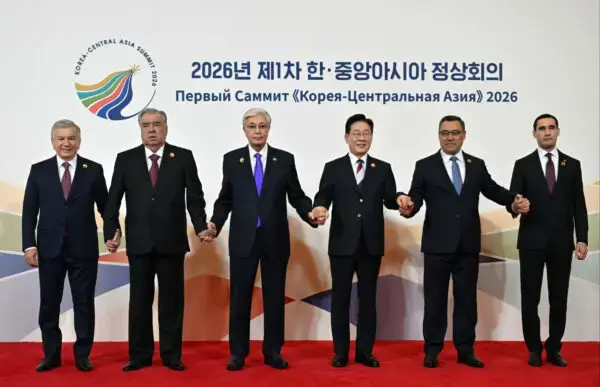
South Korea hosted its inaugural leaders’ summit with the five Central Asian nations on September 16, 2026. The gathering marked a historic diplomatic milestone for the region. Delegates from Kazakhstan, Kyrgyzstan, Tajikistan, Turkmenistan, and Uzbekistan traveled to Seoul. They joined South Korean officials to discuss strategic partnerships. The focus remained heavily on resource security and economic integration. This meeting established a new framework for bilateral cooperation. It signaled a shift toward deeper engagement between East Asia and the heart of Eurasia.
Breaking news
 Deadly Glacier and Rock Collapse in Nepal Linked to Climate Warming
 US Congress Passes Sweeping Sanctions Against Russia
 Speaker Johnson Ends House Session Early to Halt Impeachment Effort
 The High-Stakes Fight for Senate Majority Control
The primary driver for this diplomatic push is the global demand for raw materials. South Korea seeks to secure stable supply chains for critical minerals. These resources are essential for manufacturing advanced electronics and batteries. Central Asian countries possess vast untapped deposits of copper, gold, and rare earth elements. Energy infrastructure also topped the negotiation list. Both sides explored joint investments in renewable energy projects. The goal is to reduce reliance on traditional fossil fuels. This collaboration aims to create a resilient regional energy grid. Leaders emphasized that shared infrastructure would boost trade efficiency. They viewed the Silk Road spirit as a modern metaphor for connectivity.
How Will This Reshape Regional Trade?
Negotiations centered on locking in long-term contracts for mineral extraction. South Korean tech giants expressed interest in mining operations within the region. They plan to invest in processing facilities to add value locally. This approach aims to benefit host nations through job creation. Energy discussions highlighted the potential for solar and wind power development. Central Asia’s geographic location offers significant renewable potential. Leaders agreed to form working groups to map out specific projects. These teams will assess technical feasibility and financial models. The summit produced a joint declaration outlining these priorities. It committed both parties to regular high-level dialogue. This mechanism ensures that agreements move from paper to practice.
The outcome of the summit suggests a faster integration of markets. Trade barriers may lower as customs procedures harmonize. Logistics corridors connecting the two regions could expand significantly. Rail and road networks will likely receive increased funding. This infrastructure upgrade benefits not just neighbors but global supply chains. Companies can move goods more efficiently across Eurasia. The partnership positions South Korea as a key player in Central Asian development. It also gives Central Asian states a powerful new ally. Diversifying partners reduces dependence on any single major economy. This balance strengthens geopolitical leverage for all involved parties.
The coming years will test the durability of these new bonds. Implementation challenges remain significant. Bureaucratic hurdles and regulatory differences must be overcome. Success depends on consistent political will from both sides. If targets are met, the region could see a boom in industrial activity. Investors will watch closely for the first major project launches. The summit set a clear trajectory for future cooperation. It transformed a conceptual idea into an active diplomatic channel. The legacy of this meeting will be measured by tangible results. Both regions stand to gain from this renewed partnership.
Frequently Asked Questions
When did the first Central Asia-South Korea summit occur? The historic meeting took place on September 16, 2026. It was held in Seoul, South Korea. This event marked the first time leaders from both regions gathered formally.
What were the main topics discussed at the summit? Energy security and critical minerals dominated the agenda. Leaders focused on securing supply chains for technology manufacturing. They also explored joint investments in renewable energy infrastructure.