How Are Tariff Disputes Affecting Iran Coordination Efforts?
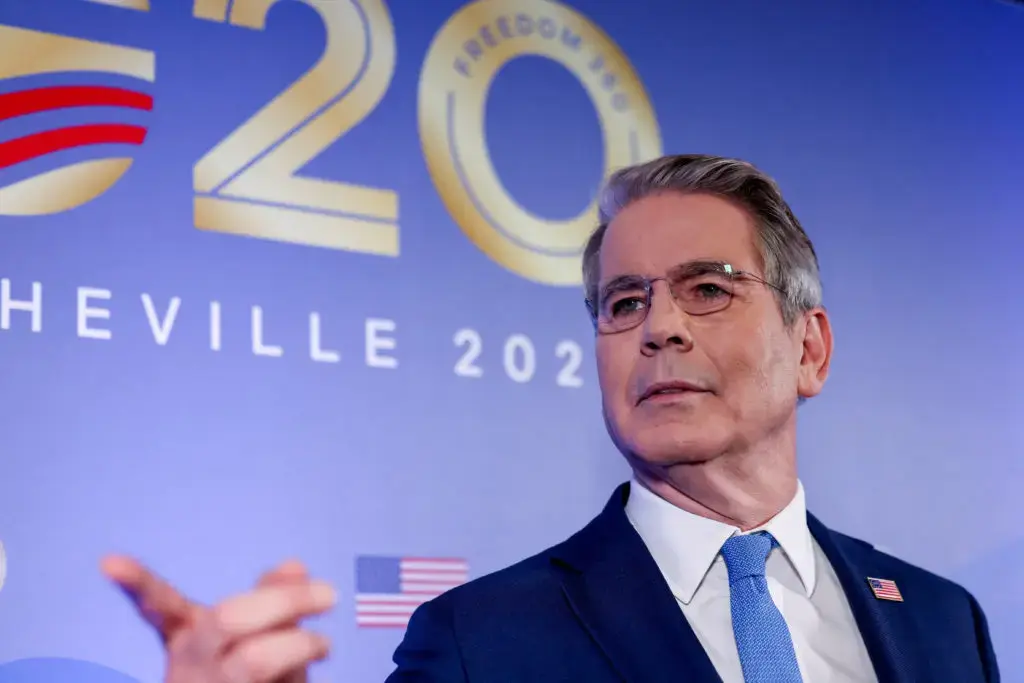
Treasury Secretary Scott Bessent is convening finance ministers from G20 nations this week in a bid to build consensus on Iran-related economic strategies, as escalating tariff disputes strain international cooperation. The meeting, hosted by the United States, aims to align allied positions on financial pressure tactics against Iran while navigating growing friction over trade policies that have unsettled global markets. Officials say the gathering comes at a critical juncture, with diplomatic and economic tools being reassessed amid shifting alliances.
Breaking news
 Deadly Glacier and Rock Collapse in Nepal Linked to Climate Warming
 US Congress Passes Sweeping Sanctions Against Russia
 Speaker Johnson Ends House Session Early to Halt Impeachment Effort
 The High-Stakes Fight for Senate Majority Control
Bessent’s push for unity reflects concerns that unilateral tariff actions by some G20 members are undermining coordinated efforts to curb Iran’s nuclear advancements and regional influence. The Treasury Secretary has emphasized that economic tools must be applied in concert to avoid counterproductive outcomes, warning that fragmented approaches could weaken leverage. Sources close to the talks indicate discussions will focus on sanctions enforcement, financial tracking mechanisms, and ways to prevent evasion through third countries, particularly as Iran seeks to circumvent restrictions amid heightened tensions.
Can the G20 Rebuild Trust on Financial Strategies Against Iran?
Recent tariff impositions by major economies have created rifts within the G20, complicating efforts to present a unified front on Iran. Bessent acknowledged that trade disagreements are diverting attention and resources from shared security objectives, noting that some allies are prioritizing domestic economic concerns over collective action. He stressed that without synchronized financial policies, Iran may exploit gaps in enforcement, reducing the effectiveness of existing measures. The Treasury chief urged counterparts to separate trade disputes from non-proliferation goals, arguing that conflating the two risks undermining both objectives.
Rebuilding coordination will require transparent dialogue and confidence-building measures, according to Bessent, who proposed regular check-ins among finance deputies to track progress on sanctions implementation. He highlighted the importance of intelligence sharing and joint monitoring of financial flows to detect illicit activity early. While no new sanctions were announced, Bessent signaled openness to refining existing frameworks to close loopholes, particularly in energy and maritime sectors. Allies responded cautiously, with some expressing willingness to re-engage if the U. S. demonstrates flexibility on trade issues that have fueled resentment.
What specific outcomes is Bessent seeking from the G20 meeting on Iran? Bessent aims to secure agreement on coordinated financial pressure tactics, including enhanced sanctions enforcement and mechanisms to prevent evasion, while seeking to insulate Iran policy from broader trade conflicts that have strained allied relations.
Frequently Asked Questions
How have tariffs complicated international efforts regarding Iran? Tariff disputes have diverted focus and created mistrust among G20 members, making it harder to maintain unified economic strategies against Iran, as some countries link cooperation on Iran to concessions on trade policies they view as unfair.
Is the U. S. willing to adjust its tariff stance to improve cooperation on Iran? While Bessent did not commit to changing tariff policies, he urged allies to distinguish trade disagreements from non-proliferation efforts and suggested the U. S. remains open to dialogue on financial coordination regardless of trade tensions.