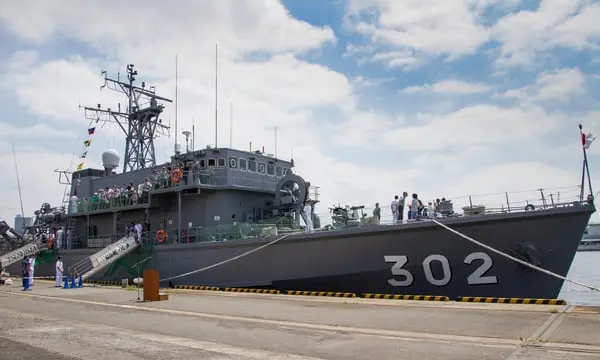
Echoes of the 1987 Maritime Standoff
Tokyo faces familiar economic anxieties as Middle Eastern shipping routes confront the threat of closure, echoing a historical energy crisis from decades past. Japan relies heavily on imported crude oil routed through volatile maritime chokepoints, leaving its industrial economy vulnerable to supply shocks and sudden price surges.
Breaking news
 Ronna McDaniel Weighs In on GOP's Path Forward
 Market Sentiment Shifts as S&P 500 Snaps Three-Day Losing Streak
 Voters Demand Stronger Congressional Oversight of Presidential Power
 Pelosi Looks Back, Sees Democratic Triumph Ahead
During the previous era when tanker traffic through the Persian Gulf ground to a halt, Japanese leadership confronted the exact same strategic predicament. Island-nation resource dependency forces Tokyo to weigh diplomatic neutrality against the urgent need to secure vital petroleum shipments for domestic survival.
Will History Repeat Its Energy Shocks?
Historical precedents show that maritime disruptions in the Middle East immediately trigger severe panic across Asian financial markets and manufacturing centers. Japanese policymakers have long recognized that energy security dictates foreign policy choices, especially when vital trade arteries face blockade or military hostility.
Modern defense strategies and strategic petroleum reserves provide Tokyo with a larger buffer than it possessed during earlier crises. However, the fundamental vulnerability remains unchanged because alternative overland pipelines cannot match the volume carried by maritime oil tankers.
Future diplomatic efforts by Japan will likely focus on maintaining open navigation rights while avoiding direct military entanglements in distant regional conflicts. Protecting economic lifelines without violating constitutional constraints on military action continues to test Tokyo's foreign policy establishment.
Frequently Asked Questions
Why is the Persian Gulf so critical for Japan? Japan depends almost entirely on imported fossil fuels to power its economy and generate electricity. Most of this crucial petroleum must travel directly through the narrow maritime channels of the Middle East.
How did Tokyo handle past shipping closures? Previous disruptions forced Japanese leaders to balance strict constitutional neutrality with intensive behind-the-scenes diplomacy to safeguard vital energy supplies. They also relied more heavily on strategic reserves while monitoring maritime security developments closely.