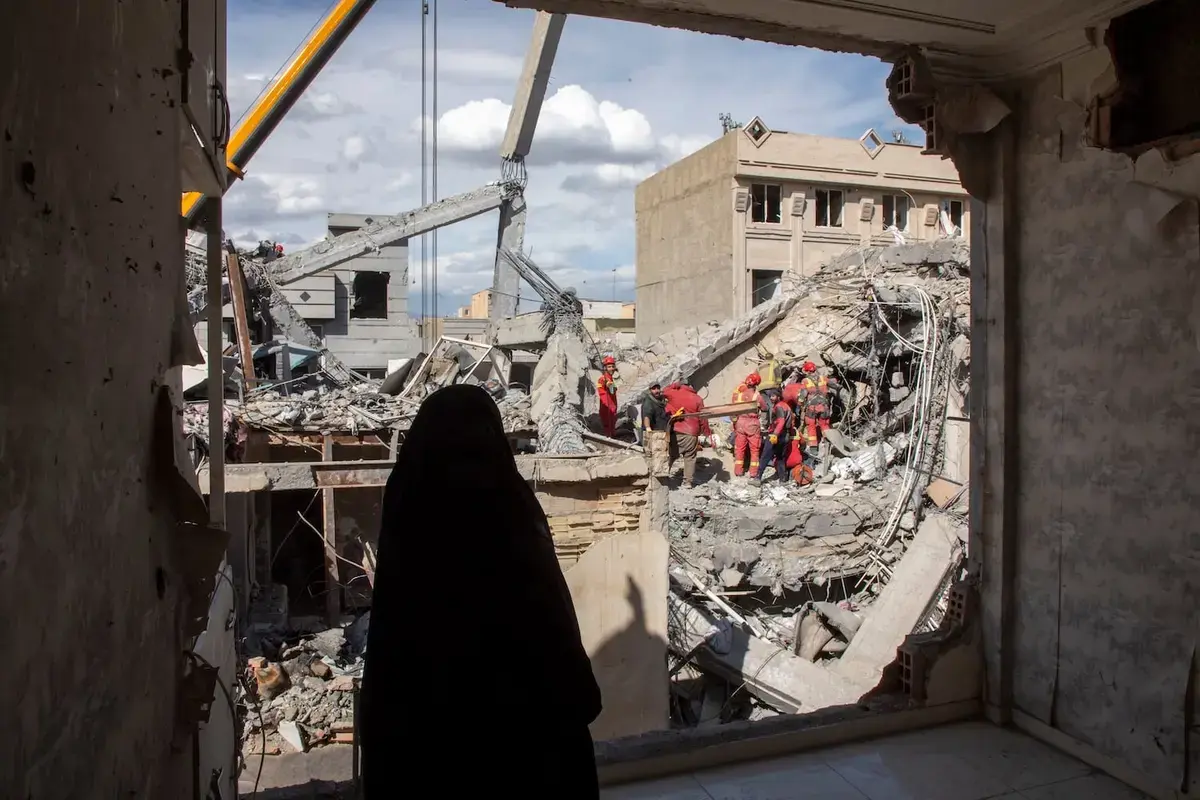
The Erosion of Domestic Stability
For years, the United States has waged a rigorous economic campaign against Iran through extensive sanctions. This strategy aims to curb Tehran's regional influence and nuclear ambitions. While these measures have severely crippled the Iranian economy, the long-term strategic effectiveness of this policy remains a subject of intense debate among global analysts.
Breaking news
 Deadly Glacier and Rock Collapse in Nepal Linked to Climate Warming
 US Congress Passes Sweeping Sanctions Against Russia
 Speaker Johnson Ends House Session Early to Halt Impeachment Effort
 The High-Stakes Fight for Senate Majority Control
The sanctions have targeted critical sectors, including oil exports, banking, and manufacturing. This systematic pressure has led to hyperinflation, a devalued currency, and widespread hardship for the average Iranian citizen. Despite these crushing financial burdens, the Iranian government has proven remarkably resilient, finding alternative trade routes and partners to bypass international restrictions.
Economic isolation has fundamentally altered the daily lives of millions. Prices for essential goods have soared, leaving families struggling to afford basic necessities. While the regime faces internal pressure from a frustrated populace, it has successfully maintained control through a combination of security measures and state-controlled economic initiatives.
Is Pressure Producing Strategic Results?
Critics argue that the current approach lacks a clear endgame. By squeezing the economy without providing a viable diplomatic off-ramp, the policy may be hardening the regime's stance rather than encouraging reform. The state has pivoted toward closer ties with other sanctioned nations, effectively creating a parallel economic bloc that resists Western influence.
The central question remains whether this economic warfare serves its intended purpose. Washington maintains that the pressure is essential to prevent Iran from funding regional proxies and advancing its military capabilities. However, proponents of diplomacy suggest that the current strategy has failed to change the fundamental behavior of the Iranian leadership.
Frequently Asked Questions
Ultimately, the economic war has created a stalemate. Iran continues to navigate the constraints, while the United States remains committed to a policy of maximum pressure. As regional tensions persist, the path forward appears increasingly narrow, with few signs that either side is willing to compromise on their core strategic objectives.
What is the primary goal of U. S. sanctions on Iran? The sanctions are designed to restrict Iran's financial resources to limit its regional influence and nuclear development. The policy seeks to force the regime to negotiate on Western terms.
Have these economic measures successfully changed Iran's government policy? There is little evidence that the sanctions have altered the regime's core strategic decisions. Instead, Iran has adapted to the restrictions by expanding trade with non-Western allies.