Investment Surge Fuels Global Outlook
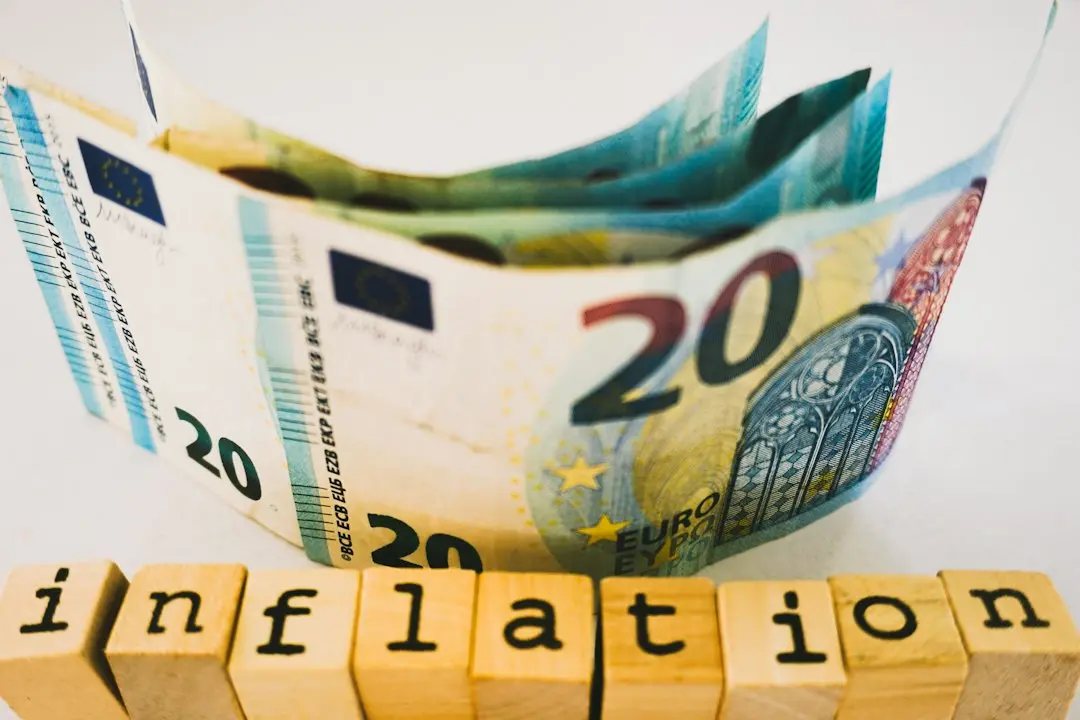
The International Monetary Fund released its latest World Economic Outlook on Monday, raising its 2026 growth forecast for the global economy to 3.1%. The same report estimates the eurozone will expand at a modest 1.1% rate, reflecting slower performance in the region compared to the broader world.
Breaking news
 Montenegro, Albania Seek NATO Help to Counter Russian Disinformation
 Ronna McDaniel Weighs In on GOP's Path Forward
 Market Sentiment Shifts as S&P 500 Snaps Three-Day Losing Streak
 Voters Demand Stronger Congressional Oversight of Presidential Power
The update comes after the IMF noted that many major economies have shown resilience amid lingering supply‑chain issues and inflationary pressures. Strong investment flows, particularly in technology and green infrastructure, are cited as key drivers of the upward revision. The organization also highlighted improving consumer confidence in several emerging markets, which is expected to sustain growth momentum.
Eurozone Growth: Why the Lag?
The IMF attributes the higher growth projection to a surge in capital spending worldwide. Governments across Asia and Latin America have increased public investment in digital infrastructure and renewable energy projects, boosting productivity. Private sector investment has also rebounded, with corporate earnings improving and borrowing costs remaining low. Analysts point out that these trends are likely to offset the slowdown in traditional manufacturing sectors.
„Investment is the engine that will keep economies moving forward,” said a senior IMF economist. „When businesses invest in new technology and capacity, they create jobs and raise output, which is reflected in our revised forecast.”
What Does This Mean for Global Trade?
The eurozone’s projected 1.1% growth is driven by moderate expansion in Germany, France, and Italy, but is tempered by weaker performance in Greece and Spain. Structural reforms in the region have been slow, and high public debt levels continue to constrain fiscal flexibility. Additionally, the European Central Bank’s policy stance remains cautious, limiting the potential for monetary stimulus.
The IMF warns that the eurozone’s growth trajectory may remain below the global average unless deeper reforms are implemented. „Without significant policy shifts, the region risks falling further behind other major economies,” the report notes.
Frequently Asked Questions
The revised outlook suggests that international trade will continue to recover, but at a slower pace than before. Export‑dependent economies, particularly in the United States and China, are expected to see modest gains as global demand stabilizes. However, trade tensions and protectionist measures could still pose risks to the recovery.
The IMF stresses the importance of maintaining open trade policies and strengthening supply‑chain resilience. „Trade is a critical lever for growth,” the report states. „Countries that foster a stable trade environment will benefit the most.”