EU’s Strategic Push for Fair Competition
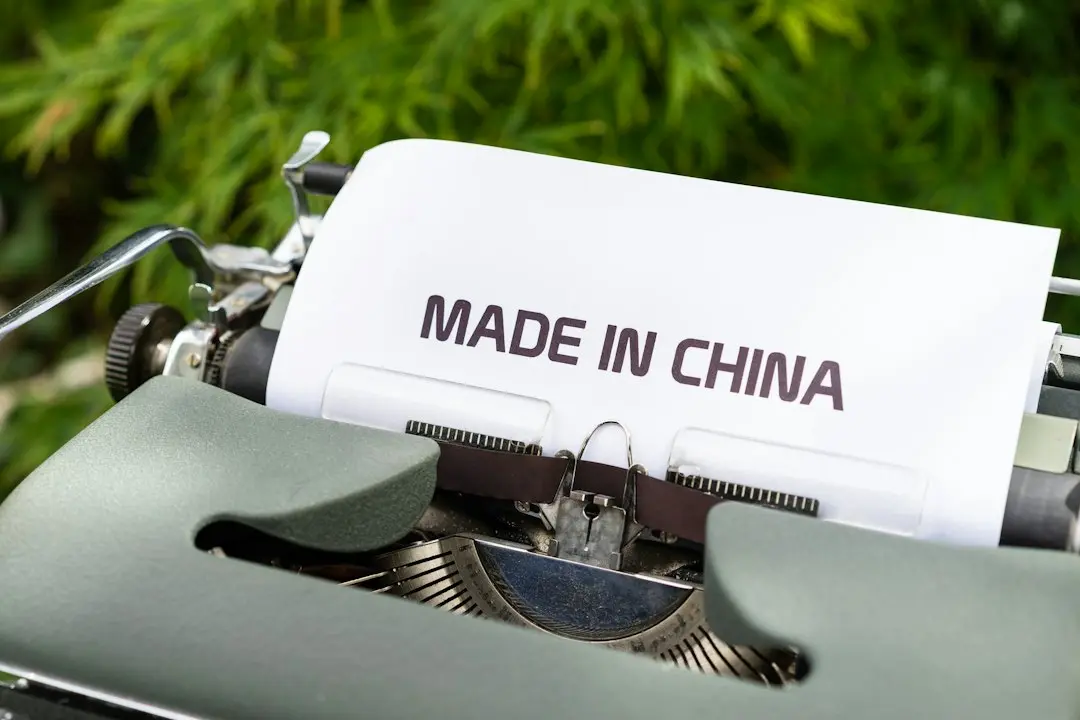
In a move that could reshape automotive trade between the two regions, China has committed to significantly reduce the number of hybrid vehicles it exports to the European Union. The announcement came after a series of negotiations that covered trade, investment, and intellectual property rights, and was confirmed by EU officials on 12 October 2026.
Breaking news
 Ronna McDaniel Weighs In on GOP's Path Forward
 Market Sentiment Shifts as S&P 500 Snaps Three-Day Losing Streak
 Voters Demand Stronger Congressional Oversight of Presidential Power
 Pelosi Looks Back, Sees Democratic Triumph Ahead
The decision follows mounting pressure from European manufacturers and regulators who argue that Chinese hybrid cars flood the market at lower prices, undermining local production and violating EU standards. Chinese officials cited the need to protect domestic industry and comply with international trade agreements. The exact reduction figure is yet to be disclosed, but officials say it will involve millions of units over the next few years.
European carmakers have long complained that Chinese hybrids are priced too cheaply, often below the cost of production, making it difficult for local firms to compete. The EU’s trade delegation highlighted that many Chinese imports do not meet the stringent safety and environmental regulations required in Europe. By curbing exports, the EU hopes to level the playing field and encourage Chinese manufacturers to invest more in technology that aligns with EU standards.
What This Means for European Consumers
Chinese industry representatives responded by stressing that the reduction will not halt the overall growth of the automotive sector. They argued that the move would prompt domestic producers to upgrade their technology and shift towards higher‑quality, export‑ready vehicles. Analysts suggest that this could lead to a more balanced trade relationship, with China focusing on advanced electric models for the EU market.
The immediate impact on European consumers is likely to be modest. Hybrid vehicles currently account for about 8% of the EU’s new car sales. A reduction in imports could push prices slightly higher, but the effect will be offset by the rising availability of electric vehicles that meet EU emissions targets. Consumers may see a shift in the mix of available models, with more emphasis on fully electric and high‑efficiency hybrids that comply with stricter regulations.
How China’s Domestic Market Will Adapt
Industry insiders note that the policy could also spur domestic innovation. Local manufacturers have been investing heavily in battery technology and lightweight materials. With reduced competition, they may accelerate the rollout of next‑generation hybrids and plug‑in hybrids that offer longer ranges and lower emissions.
China’s automotive market is the world’s largest, with a growing appetite for electric and hybrid vehicles. The export cut is expected to encourage Chinese firms to redirect resources toward domestic sales and research. This could lead to a surge in domestic hybrid production, with manufacturers seeking to capture a larger share of the home market and meet the country’s ambitious carbon‑neutral goals.
Moreover, Chinese automakers may strengthen partnerships with European firms to gain access to advanced technologies and comply with EU standards. Joint ventures could become more common, allowing Chinese companies to export higher‑quality hybrids while sharing development costs.
Looking Ahead: Trade Relations and Future Negotiations
The agreement signals a shift toward more balanced trade relations between China and the EU. While the reduction in hybrid exports may ease tensions, it also raises questions about future cooperation on technology standards and intellectual property. Both sides will need to negotiate new frameworks to ensure fair competition and protect innovation.
In the long term, the policy could influence global automotive supply chains. If European manufacturers secure a steadier supply of compliant hybrids, they may invest more in domestic production facilities. Conversely, Chinese firms might accelerate their push into electric vehicle exports, potentially reshaping the global market.
Frequently Asked Questions
Why did the EU push for a reduction in Chinese hybrid exports? The EU argued that Chinese hybrids are priced below production costs, undermining local manufacturers and violating EU safety and environmental standards.
Will the cut affect the price of hybrids in Europe? Prices may rise slightly, but the impact is expected to be offset by increased availability of electric vehicles and higher‑quality hybrids that meet EU regulations.
How will Chinese manufacturers respond? They plan to focus on domestic growth, invest in advanced technology, and form joint ventures with European firms to meet stricter standards and maintain export competitiveness.