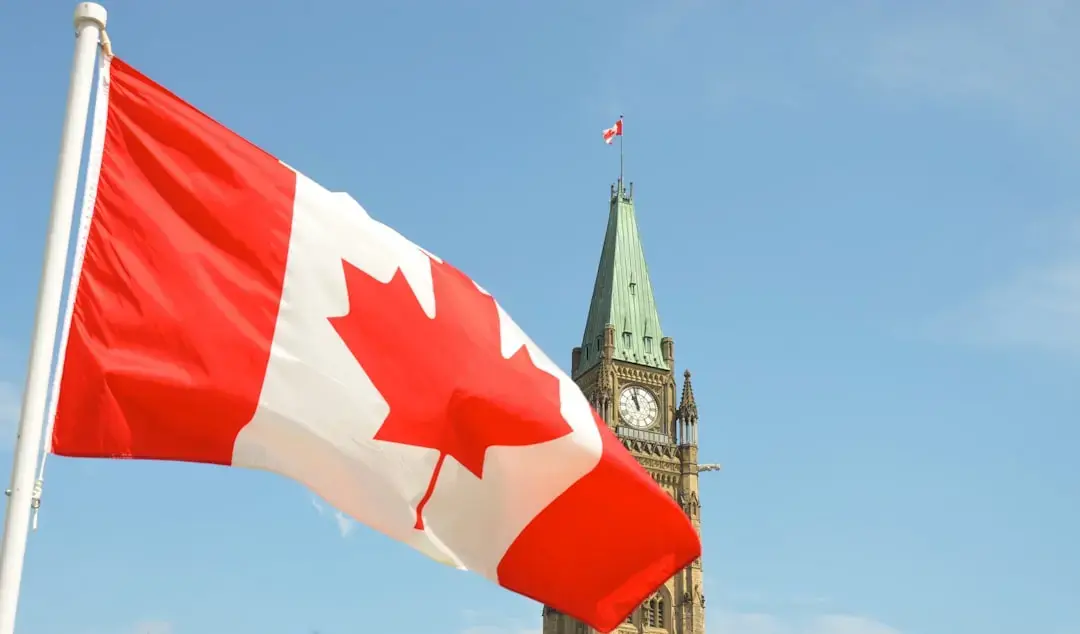
Strategic Realignment in Global Markets
Mark Carney has addressed recent speculation regarding Canada’s diplomatic future with the European Union. The former central banker clarified Ottawa’s stance on Sunday, responding to reports that suggested Canada was pursuing a formal associate membership with the bloc. Officials remain focused on strengthening existing trade and political cooperation across the Atlantic.
Breaking news
 Deadly Glacier and Rock Collapse in Nepal Linked to Climate Warming
 US Congress Passes Sweeping Sanctions Against Russia
 Speaker Johnson Ends House Session Early to Halt Impeachment Effort
 The High-Stakes Fight for Senate Majority Control
The discussion follows a report claiming Ottawa sought a unique structural arrangement with Brussels. While Canada already maintains a robust free trade agreement with the EU, the current administration is exploring ways to deepen this partnership. Carney emphasized that any future alignment must respect Canadian sovereignty while maximizing economic integration.
Canada’s interest in the EU stems from a desire to navigate shifting geopolitical landscapes. By tightening ties with European partners, Ottawa aims to secure supply chains and bolster collective defense initiatives. This approach reflects a broader strategy to diversify trade partners beyond traditional North American reliance.
Could This Partnership Redefine Transatlantic Trade?
The proposed collaboration would likely focus on green energy, digital regulation, and security policy. Both regions share similar democratic values, making them natural allies in an increasingly fragmented global economy. Officials are currently evaluating which institutional frameworks could best support this expanded level of cooperation.
Critics and supporters alike are questioning the feasibility of a new, formalized alliance. Integrating Canadian regulatory standards with European directives presents significant bureaucratic hurdles. However, proponents argue that the potential for increased investment and shared technological innovation outweighs these administrative challenges.
Frequently Asked Questions
The outcome of these ongoing dialogues will likely shape Canada’s foreign policy for the next decade. If successful, the initiative could create a new model for non-European nations to engage with the bloc. For now, both sides are proceeding with caution as they define the scope of their future relationship.
What is the primary goal of this potential alliance? Canada aims to deepen economic and political ties with the EU to improve trade security and regulatory cooperation. This move is designed to strengthen international partnerships amidst global instability.
Is Canada becoming an official member of the European Union? No, there are no plans for Canada to join the EU as a member state. The discussion is focused on creating a unique, tailored partnership that benefits both parties without full integration.