Who Holds the Power in the Blue Economy?
On June 7, 2026, Dakar, Senegal, will host events highlighting the significance of oceans for both economic and ecological systems. This initiative aims to raise awareness about the emerging blue economy, which impacts billions of lives globally. Approximately 2.4 billion people reside within 100 kilometers of coastlines, emphasizing the importance of sustainable ocean practices.
Breaking news
 Deadly Glacier and Rock Collapse in Nepal Linked to Climate Warming
 US Congress Passes Sweeping Sanctions Against Russia
 Speaker Johnson Ends House Session Early to Halt Impeachment Effort
 The High-Stakes Fight for Senate Majority Control
As the blue economy develops, questions arise about who will shape and benefit from it. The ocean economy encompasses various sectors, including fisheries, tourism, and renewable energy. However, it also faces challenges such as overfishing, pollution, and climate change. These factors threaten marine ecosystems and the livelihoods of those who depend on them.
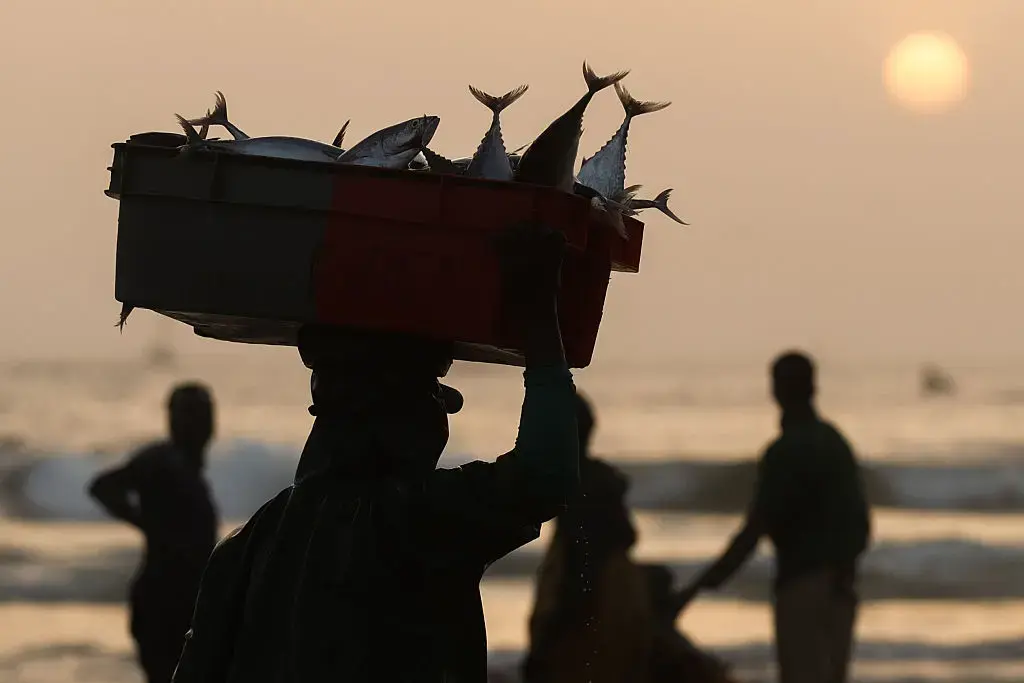
The emerging blue economy presents opportunities for innovation and growth. Governments, private companies, and local communities all play crucial roles in its development. Collaborative efforts are essential to ensure that economic benefits are equitably distributed. For instance, sustainable fishing practices can enhance fish stocks while providing jobs for coastal communities.
Can We Balance Growth and Conservation?
International organizations are also stepping in to promote sustainable practices. They advocate for policies that protect marine biodiversity while fostering economic growth. The involvement of various stakeholders can lead to a more inclusive approach to ocean resource management.
Finding a balance between economic growth and environmental conservation is a pressing concern. The blue economy must prioritize sustainability to avoid long-term damage to marine ecosystems. This requires implementing regulations that prevent overexploitation and promote responsible resource use.
Innovative solutions, such as aquaculture and marine renewable energy, can contribute to a sustainable future. These industries have the potential to provide jobs while minimizing environmental impact. However, further investment in research and development is needed to fully realize these benefits.
The future of the ocean economy hinges on our ability to make informed decisions today. If we fail to prioritize sustainability, we risk depleting vital resources that support millions of livelihoods. A collaborative approach, combining the efforts of governments, businesses, and communities, is essential for a resilient ocean economy.
Frequently Asked Questions
What is the blue economy? The blue economy refers to economic activities that rely on ocean resources, emphasizing sustainability and environmental protection.
How can local communities benefit from a sustainable ocean economy? Local communities can benefit through job creation in sustainable fishing, tourism, and renewable energy sectors, leading to improved livelihoods.
What role do international organizations play in the blue economy? International organizations promote sustainable practices, advocate for protective policies, and facilitate collaboration among various stakeholders to ensure equitable resource management.