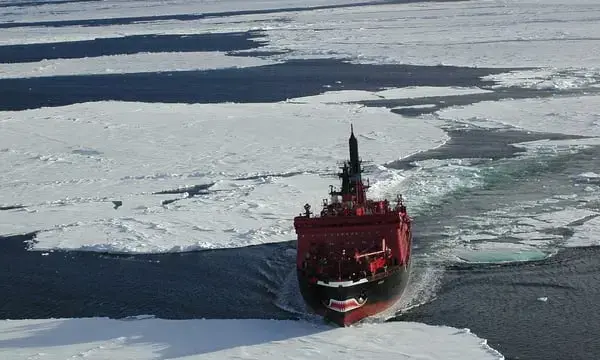
Can the Northern Sea Route Live Up to Expectations?
Asian countries are showing growing interest in the Northern Sea Route, a potential shortcut for trade with Europe. The route's significance is increasing due to climate change. Russia is promoting the route as a viable alternative to traditional shipping lanes. This shift is happening amid rising global tensions.
Breaking news
 Greenpeace Investigates Zaporizhzhia Nuclear Plant Power Lines
 Researcher warns strict age limits needed for children on social media
 Hezbollah defends its arsenal amid Lebanese political deadlock
 Can an AI Chatbot Reduce Maternal Deaths in Kenya?
The Northern Sea Route, traversing Russia's northern coast, has been touted as a game-changer for global trade. Proponents argue it could significantly reduce travel time and costs between Asia and Europe. However, actual data on its usage and economic viability is less encouraging. The route's harsh climate and lack of infrastructure remain significant hurdles.
Is the Investment Worth the Risk?
Despite the hype, the number of ships using the route has been relatively low. In recent years, the route has seen some increase in traffic, but it's still far from being a mainstream shipping lane. Icebreaker escorts, a necessity for many vessels, are costly and logistically challenging. Moreover, the route's environmental impact is a concern, with potential risks to Arctic ecosystems.
The Russian government has been actively promoting the Northern Sea Route, investing in infrastructure and offering incentives to shipping companies. However, the economic benefits are still uncertain, and the route's future remains tied to the pace of climate change and global trade dynamics.
As Asian countries continue to explore the Northern Sea Route, they must weigh the potential benefits against the significant challenges. The route's viability will depend on various factors, including ice coverage, regulatory frameworks, and global economic trends.
Frequently Asked Questions
The consequences of a more navigable Northern Sea Route could be significant, potentially reshaping global trade patterns and regional economies. However, the outlook remains uncertain, with many factors influencing the route's future.
What is the main challenge facing the Northern Sea Route? The harsh Arctic climate and lack of infrastructure are significant obstacles. How has Russia responded to the growing interest in the route? Russia has invested in infrastructure and offered incentives to shipping companies. Will the Northern Sea Route become a major shipping lane? Its future is uncertain, dependent on climate change and global trade dynamics.