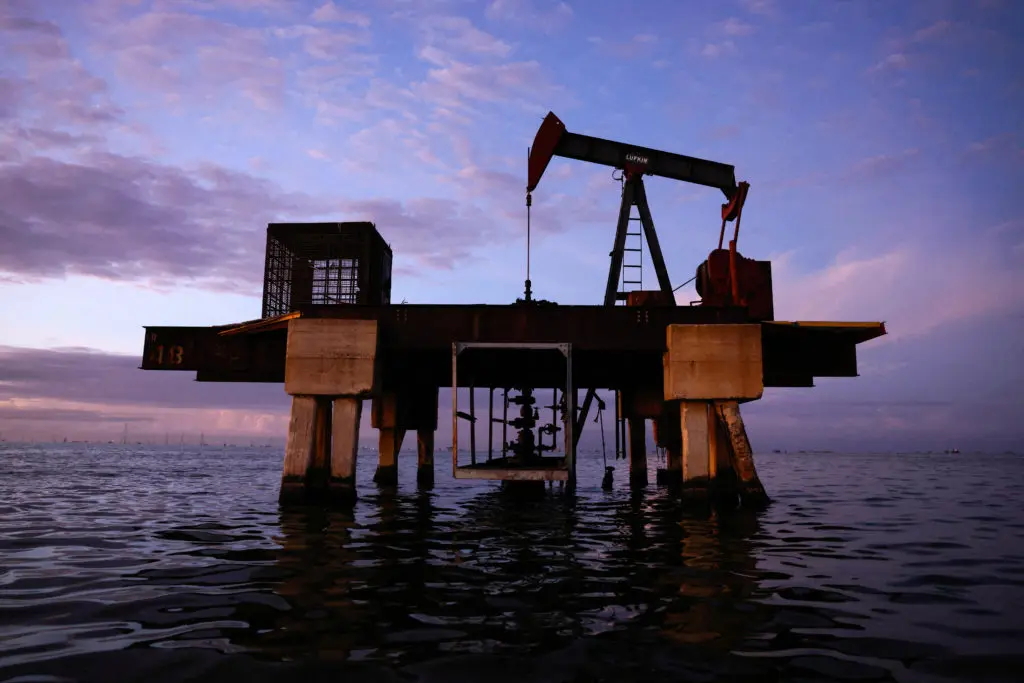
Analysts note that even if exports rise
A recent agreement between the United States and Venezuela to resume limited oil exports is not expected to bring immediate relief to American consumers at the gas pump, according to energy analysts. Despite political optimism surrounding the deal, experts say structural market factors and limited production capacity will prevent any noticeable drop in domestic gasoline prices in the near term. The arrangement, which allows Venezuela to export a modest volume of crude under eased sanctions, faces significant logistical and operational hurdles that dilute its potential impact on U. S. fuel markets. The deal, brokered in late 2025, permits Venezuela to increase oil output and sell to select international buyers, including U. S. refineries, in exchange for commitments to electoral reforms. However, Venezuela’s oil infrastructure remains degraded after years of underinvestment and sanctions, limiting its ability to ramp up production quickly.
Breaking news
 Deadly Glacier and Rock Collapse in Nepal Linked to Climate Warming
 US Congress Passes Sweeping Sanctions Against Russia
 Speaker Johnson Ends House Session Early to Halt Impeachment Effort
 The High-Stakes Fight for Senate Majority Control
Analysts note that even if exports rise, the volumes involved are too small to meaningfully influence global oil prices, which are driven by larger suppliers like Saudi Arabia, Russia, and the United States itself. Refining bottlenecks and transportation delays further reduce the likelihood of swift price effects at domestic pumps. Why Market Fundamentals Limit Price Impact Energy economists emphasize that U. S. gasoline prices are more closely tied to global crude benchmarks, refining margins, and regional supply dynamics than to the origin of a single foreign supplier. Venezuela’s projected output increase under the agreement is estimated at under 100,000 barrels per day—less than 1% of U. S. daily consumption. Moreover, much of the exported crude may be directed to markets outside the United States due to contractual flexibility and pricing advantages elsewhere.
As one analyst put it
As one analyst put it, „Expecting this deal to lower gas prices is like hoping a leaky faucet will fill a swimming pool.” What Conditions Would Need to Change for Consumers to Benefit? For the Venezuela oil deal to translate into lower pump prices, several unlikely shifts would need to occur: sustained production growth beyond current capacity, a significant drop in global demand, or coordinated action among major oil producers to cut prices—none of which are currently on the horizon. Experts suggest that any consumer benefit would likely be indirect and long-term, contingent on Venezuela’s full economic and political recovery, which remains uncertain. In the meantime, drivers should not anticipate near-term price relief from this diplomatic initiative. Frequently Asked Questions Will this agreement lead to cheaper gas in the United States this year?
No, analysts say the volume of oil involved is too small to affect national gasoline prices in the short term. Could Venezuela’s oil exports grow enough to matter in the future? Only if the country invests heavily in repairing its oil infrastructure and maintains stable political conditions, which is not guaranteed. Are there other factors affecting gas prices more than this deal? Yes, global crude prices, refining capacity, seasonal demand, and domestic production have a far greater influence on what drivers pay at the pump.