Officials say the projects could help reverse years of decline caused by
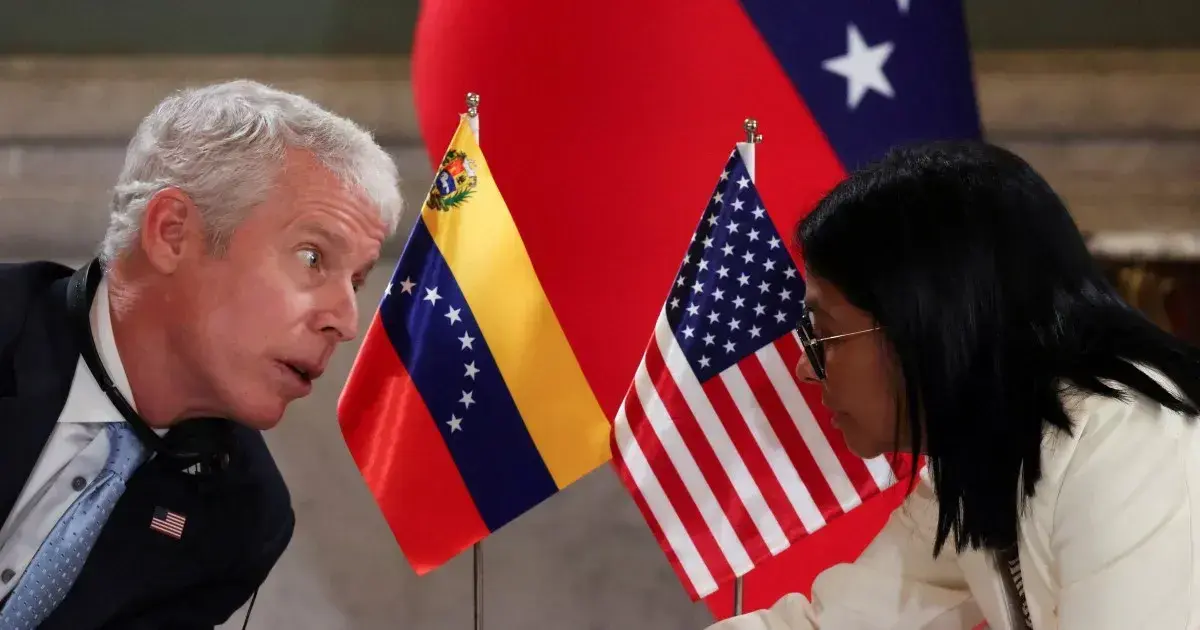
American energy giant Chevron and Italian firm Eni have signed multibillion-dollar agreements to expand oil operations in Venezuela, just days after Caracas agreed to grant the United States control over a fifth of the nation's oil reserves. The deals were finalized in Caracas amid ongoing efforts to revitalize Venezuela's struggling petroleum sector under international scrutiny. The agreements involve significant investments to upgrade infrastructure and increase output at existing oil fields, particularly in the Orinoco Belt, one of the world's largest heavy crude deposits. Both companies aim to boost production while navigating complex political and economic conditions, including U. S. sanctions relief tied to democratic commitments from the Venezuelan government. How Will These Investments Affect Venezuela's Oil Output? Chevron and Eni plan to rehabilitate aging facilities and introduce enhanced recovery techniques to lift daily production by hundreds of thousands of barrels over the next few years.
Breaking news
 Deadly Glacier and Rock Collapse in Nepal Linked to Climate Warming
 US Congress Passes Sweeping Sanctions Against Russia
 Speaker Johnson Ends House Session Early to Halt Impeachment Effort
 The High-Stakes Fight for Senate Majority Control
Officials say the projects could help reverse years of decline caused by underinvestment and mismanagement, though success depends on stable operations and consistent fuel supplies for drilling. The partnerships also signal growing confidence among foreign energy firms in Venezuela's potential return to stability, despite persistent concerns over governance and economic volatility. Analysts note that increased output could strengthen government revenues, but warn that long-term sustainability hinges on broader reforms. What Challenges Remain for Foreign Operators in Venezuela? Despite the optimism, both companies face hurdles including fluctuating fuel access, currency controls, and the risk of sudden policy shifts. Past experiences have shown that even with signed contracts, operational continuity can be disrupted by economic crises or political changes. Additionally, while the U. S. has eased certain sanctions to allow limited oil transactions, broader restrictions remain in place, requiring careful compliance.
Any expansion must align with licensing conditions set by Washington
Any expansion must align with licensing conditions set by Washington, which ties relief to progress on human rights and electoral standards. Frequently Asked Questions Why is the U. S. gaining control of a fifth of Venezuela's oil reserves? The arrangement stems from a partial sanctions relief deal where Venezuela agreed to allow greater U. S. oversight of oil revenues in exchange for eased financial restrictions, aiming to increase transparency and fund social programs. What role does Eni play in these new projects? Eni is contributing technical expertise and capital to joint ventures focused on upgrading extraction infrastructure and improving efficiency in mature oil fields, particularly in joint operations with Venezuela's state oil company, PDVSA. How soon could oil production increase from these efforts?
Initial improvements may be visible within 12 to 18 months, with more significant gains expected over two to three years, contingent on stable operations, access to diluents for heavy crude, and continued international engagement.