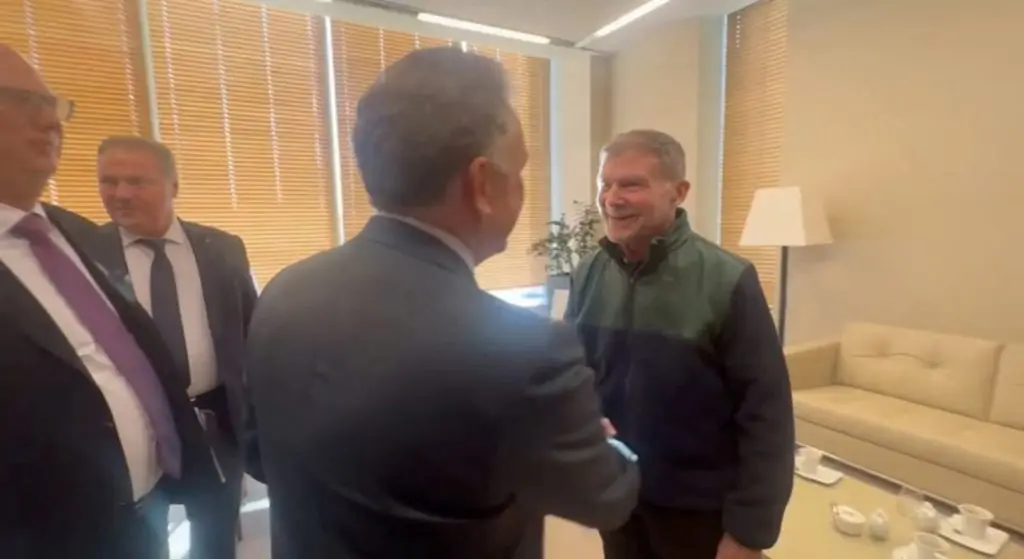
Diplomatic Maneuvering Behind the Release
Moscow released Stephen Hubbard, an American businessman who had been held in Russian custody for four years. The release coincided with a high-profile diplomatic meeting between U. S. envoy Steve Witkoff and President Vladimir Putin. This development marks a significant shift in bilateral relations, signaling a potential thaw in tensions between the two nations. The move underscores the role of personal diplomacy in resolving long-standing detention cases involving foreign nationals.
Breaking news
 Montenegro, Albania Seek NATO Help to Counter Russian Disinformation
 Ronna McDaniel Weighs In on GOP's Path Forward
 Market Sentiment Shifts as S&P 500 Snaps Three-Day Losing Streak
 Voters Demand Stronger Congressional Oversight of Presidential Power
Hubbard’s freedom follows a complex period of negotiations that kept him under international scrutiny. His case became a focal point for discussions regarding the treatment of Westerners in Russia. The timing of his release suggests that diplomatic channels played a crucial part in securing his departure. Observers note that such releases often serve as tangible gestures of goodwill during broader strategic talks.
The encounter between Witkoff and Putin provided the backdrop for this unexpected outcome. Witkoff, known for his business background, engaged in direct dialogue with the Russian leader. Reports indicate that Witkoff praised Putin during their meeting, fostering a collaborative atmosphere. This positive tone likely facilitated the agreement to free Hubbard. The envoy’s presence highlighted the importance of face-to-face contact in modern statecraft.
Does This Signal a Broader Thaw?
Hubbard was originally captured in eastern Ukraine, where he faced charges related to espionage. His detention lasted nearly half a decade, making him one of the most prominent Western prisoners in Russia. The legal proceedings were widely viewed as politically motivated rather than purely judicial. International advocacy groups had campaigned relentlessly for his return home. The final resolution reflects months of behind-the-scenes efforts by both governments.
Analysts are closely watching whether this release will trigger reciprocal actions. The United States may now consider releasing Russians held in its own custody. Such exchanges have historically eased diplomatic friction between major powers. However, experts caution against assuming a permanent improvement in relations. The geopolitical landscape remains volatile, with ongoing conflicts shaping policy decisions. The release of Hubbard is a step forward, but it does not guarantee stability.
The immediate consequence is the return of Hubbard to American soil. He will likely undergo medical evaluations and reintegration processes upon arrival. His family has expressed relief after years of uncertainty and anxiety. The case closure allows both sides to focus on other pressing diplomatic issues. Yet, the underlying structural challenges between Washington and Moscow persist. Future interactions will test the durability of this new momentum.
Frequently Asked Questions
Who was released from Russian custody? Stephen Hubbard, an American businessman, was freed after serving a four-year sentence. He had been detained following his capture in eastern Ukraine.
When did the release occur? The release happened on October 21, 2026. It took place concurrently with diplomatic meetings involving U. S.
Why was this release significant? It marked a notable diplomatic achievement during a period of strained relations. The event demonstrated that direct engagement between leaders could yield concrete results for detained citizens.