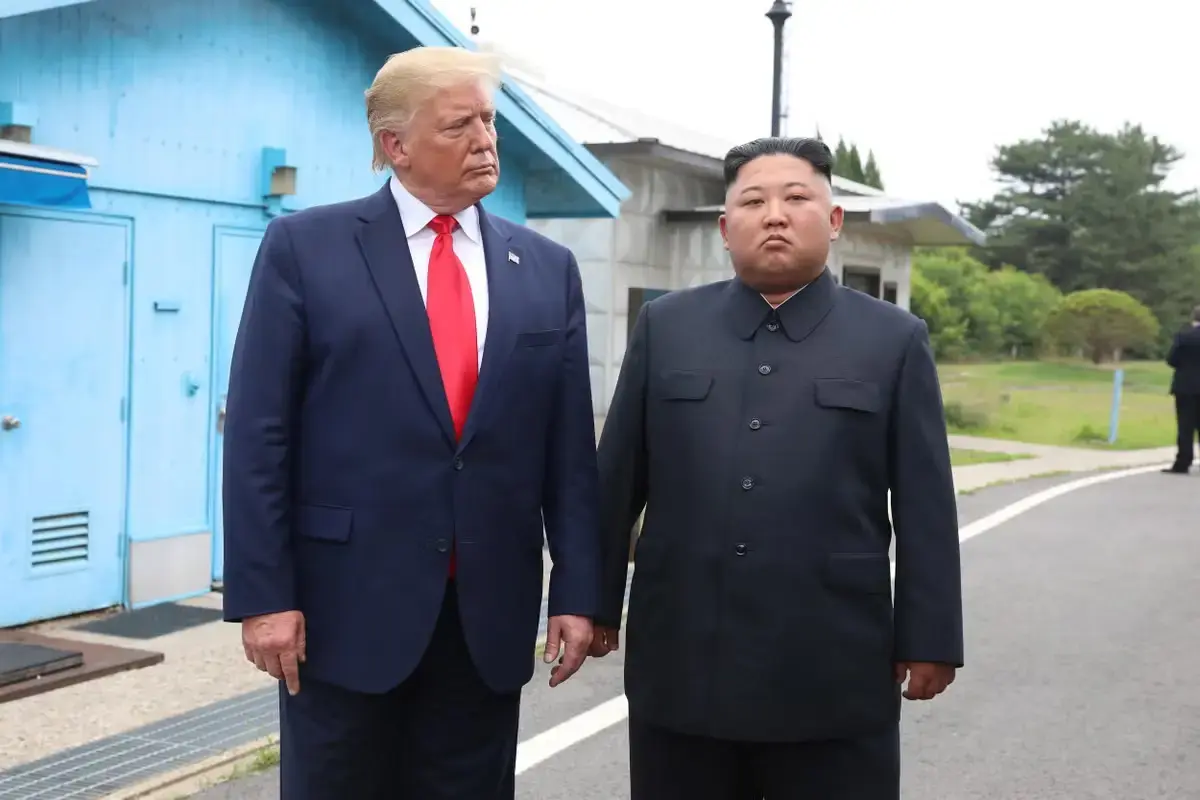
What Does North Korea's Rejection Mean for US Diplomacy?
North Korea has dismissed former President Donald Trump's appeal to cultivate a relationship with leader Kim Jong Un, prioritizing longstanding alliances with the United States. This rejection highlights the ongoing complexities in diplomatic relations within the region. The exchange comes after Trump's previous summits with Kim in 2018 and 2019, which ultimately did not yield lasting agreements.
Breaking news
 Deadly Glacier and Rock Collapse in Nepal Linked to Climate Warming
 US Congress Passes Sweeping Sanctions Against Russia
 Speaker Johnson Ends House Session Early to Halt Impeachment Effort
 The High-Stakes Fight for Senate Majority Control
The diplomatic efforts between Trump and Kim were marked by high hopes but ultimately faltered. After three meetings, both leaders struggled to reach a consensus on nuclear disarmament and sanctions relief. North Korea's recent stance suggests it is unwilling to entertain overtures from the former president that could undermine its ties with China and Russia, its primary allies.
North Korea's firm stance indicates a desire to maintain its strategic partnerships rather than engage in potentially destabilizing negotiations with the US. A spokesperson for the North Korean government stated that any attempts by Trump to sway Kim would be futile, emphasizing the nation’s commitment to its existing alliances. This development raises questions about the future of US diplomacy in East Asia, particularly with the looming threats of nuclear proliferation.
Can Trump Revive Diplomatic Efforts?
In the past, Kim has shown willingness to engage with US leaders, but the current geopolitical climate is different. Analysts suggest that North Korea's rejection of Trump's overtures signals a shift in its diplomatic strategy, focusing more on strengthening ties with its allies rather than engaging in potentially contentious discussions with the US.
The possibility of Trump revitalizing his relationship with Kim appears slim, especially in light of North Korea's recent statements. The ongoing tensions in the region, coupled with the complex dynamics of international relations, make any future negotiations challenging. Trump's previous administration's approach to North Korea, characterized by a mix of confrontation and diplomacy, may not be enough to sway Kim now.
Looking ahead, the implications of this rejection could affect US foreign policy in the Asia-Pacific region. With North Korea reaffirming its alliances, the US may need to reconsider its strategies to engage with both North Korea and its allies. The potential for renewed tensions remains high, as does the risk of further nuclear developments in North Korea.
Frequently Asked Questions
What were the outcomes of Trump's meetings with Kim Jong Un? Trump and Kim met three times, but their negotiations failed to produce a comprehensive agreement on nuclear disarmament or sanctions relief.
How does North Korea view its relationship with the US? North Korea prioritizes its alliances with China and Russia over engagement with the US, indicating a shift in its diplomatic focus.
What are the potential consequences of this rejection for US foreign policy? The rejection may push the US to rethink its approach to diplomacy in East Asia, as North Korea strengthens ties with its allies.