Can Diplomacy Prevail Amid Regional Tensions?
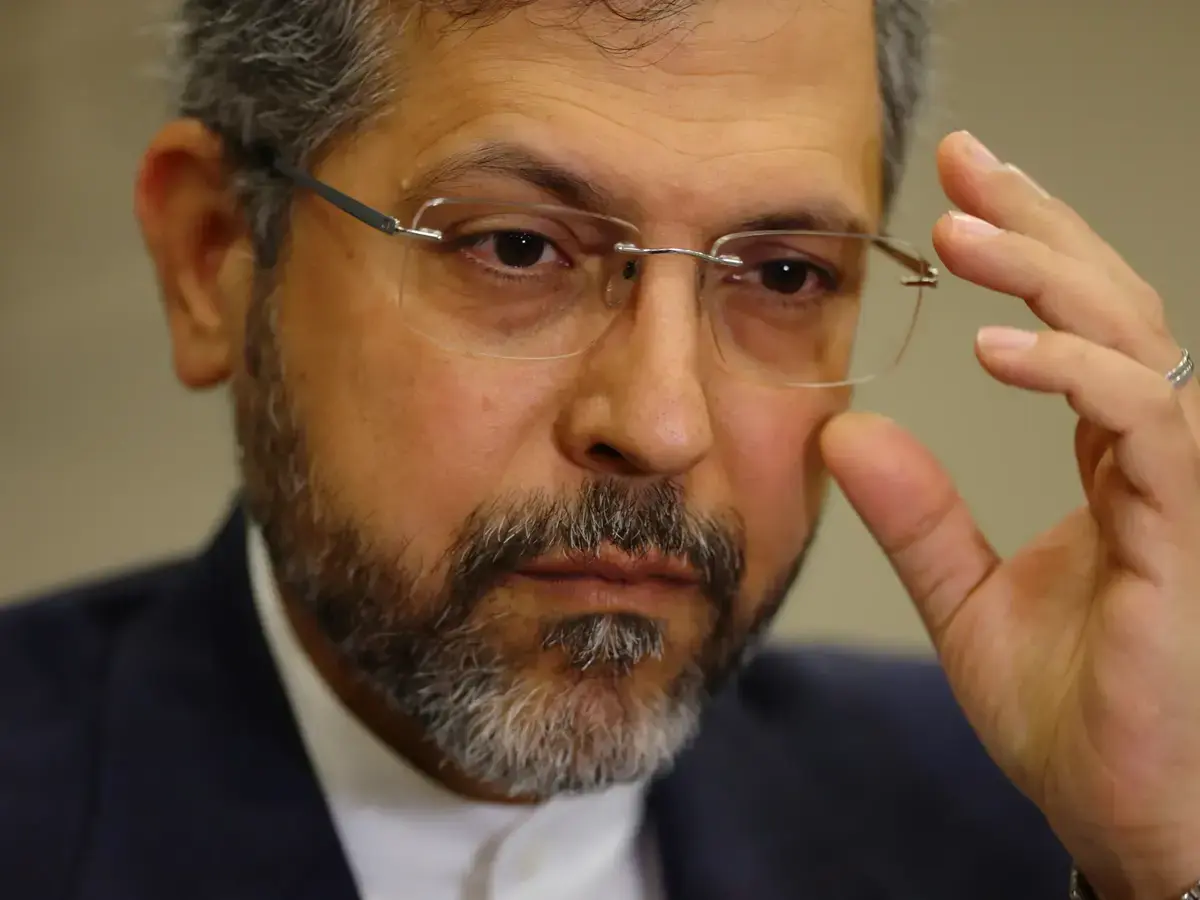
Iran's Deputy Foreign Minister, Ali Bagheri Khatibzadeh, has expressed willingness to move forward with the US in a diplomatic deal. He made the statement in an interview with Al Jazeera. The development comes amid heightened tensions between Iran and Israel.
Breaking news
 Deadly Glacier and Rock Collapse in Nepal Linked to Climate Warming
 US Congress Passes Sweeping Sanctions Against Russia
 Speaker Johnson Ends House Session Early to Halt Impeachment Effort
 The High-Stakes Fight for Senate Majority Control
Khatibzadeh emphasized that diplomacy is the way forward, but the US must ensure Israel stops its attacks on Lebanon. This condition highlights the complex regional dynamics at play.
The Deputy FM's comments suggest a pragmatic approach by Iran, indicating a desire to ease tensions through diplomatic channels. However, the onus is on the US to facilitate this by restraining Israel.
Will US Pressure on Israel Be Enough?
Khatibzadeh's statement underscores the intricate web of relationships between Iran, the US, and Israel. The success of any potential deal hinges on the US's ability to influence Israel's actions.
The fate of the diplomatic efforts remains uncertain, with the US's role being crucial in determining the outcome. A successful deal could ease regional tensions, while failure might exacerbate the situation.
Frequently Asked Questions
What is the main condition set by Iran for a deal with the US? Iran has conditioned a deal on the US ensuring Israel stops attacking Lebanon. This highlights the regional complexities involved.
What is the role of the US in this diplomatic effort? The US is expected to pressure Israel to halt its attacks on Lebanon. This is seen as crucial for the success of any potential deal.
What are the potential consequences of a failed deal? A failed deal could lead to increased tensions in the region, potentially drawing in other countries. This could have far-reaching consequences for regional stability.