Quiet Diplomacy Amidst Rising Tensions
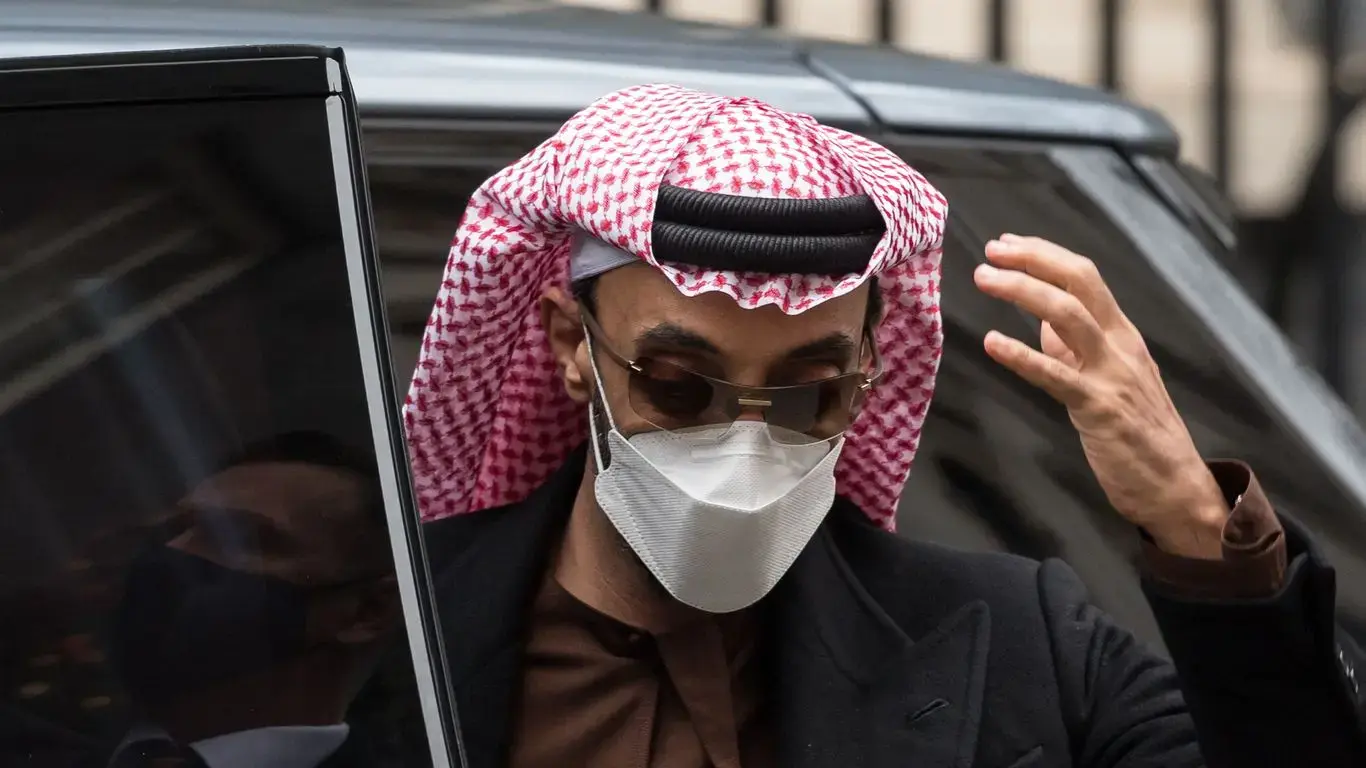
White House special envoy Steve Witkoff held a private meeting last weekend with the national security adviser of the United Arab Emirates. The discussion focused on the next steps regarding the conflict with Iran. Two sources familiar with the event confirmed the encounter. The White House did not announce the talks publicly at the time. This lack of immediate disclosure kept the meeting out of the public eye for several days.
Breaking news
 Deadly Glacier and Rock Collapse in Nepal Linked to Climate Warming
 US Congress Passes Sweeping Sanctions Against Russia
 Speaker Johnson Ends House Session Early to Halt Impeachment Effort
 The High-Stakes Fight for Senate Majority Control
The conversation occurred against the backdrop of the Trump administration’s intensified pressure on Tehran. Officials describe the diplomatic channel as a critical component of the broader strategy. The UAE serves as a key regional partner in monitoring Iranian movements. Witkoff’s role involves coordinating high-level negotiations and back-channel communications. His engagement with Abu Dhabi signals a multi-layered approach to managing the crisis. The timing suggests that Washington is seeking regional consensus before making major moves.
The decision to keep the meeting low-profile reflects the delicate nature of current negotiations. Public announcements can sometimes complicate sensitive discussions between parties. By avoiding immediate media coverage, officials could explore options without external pressure. The UAE’s national security adviser provided insights into regional dynamics. These insights help the White House gauge how Tehran might react to further sanctions or military actions. The administration aims to balance firmness with diplomatic flexibility. This approach seeks to isolate Iran while maintaining stability in the Gulf region.
Does Regional Coordination Change the Outcome?
The outcome of this meeting remains unclear, but its existence confirms active coordination. Regional allies are increasingly involved in shaping the response to Iran. This shift indicates that the US is not acting alone in its pursuit of a resolution. The UAE’s perspective offers valuable intelligence on ground-level developments. It also highlights the economic stakes involved for neighboring states. As the situation evolves, such back-channel meetings may become more frequent. They provide a safety net for formal diplomatic efforts.
The coming weeks will test the effectiveness of this coordinated strategy. If the UAE and the US align closely, it could limit Iran’s maneuvering space. Conversely, any disagreements could create gaps in the coalition’s front. Observers will watch for signs of joint statements or synchronized actions. The success of this quiet diplomacy depends on maintaining trust among partners. Ultimately, the goal is to force Tehran toward a favorable settlement. The stage is set for a potential breakthrough or escalation in the near future.
Frequently Asked Questions
Who attended the recent meeting in Abu Dhabi? Steve Witkoff, the White House special envoy, met with the UAE national security adviser. No other specific attendees were named in the initial reports.
Why was the meeting not announced immediately? The White House chose to keep the talks confidential to allow for open dialogue. This practice helps prevent premature public speculation about the negotiation status.
What is the primary focus of these discussions? The core topic is determining the next strategic steps regarding Iran. Both sides are evaluating military, economic, and diplomatic options for the coming phase.