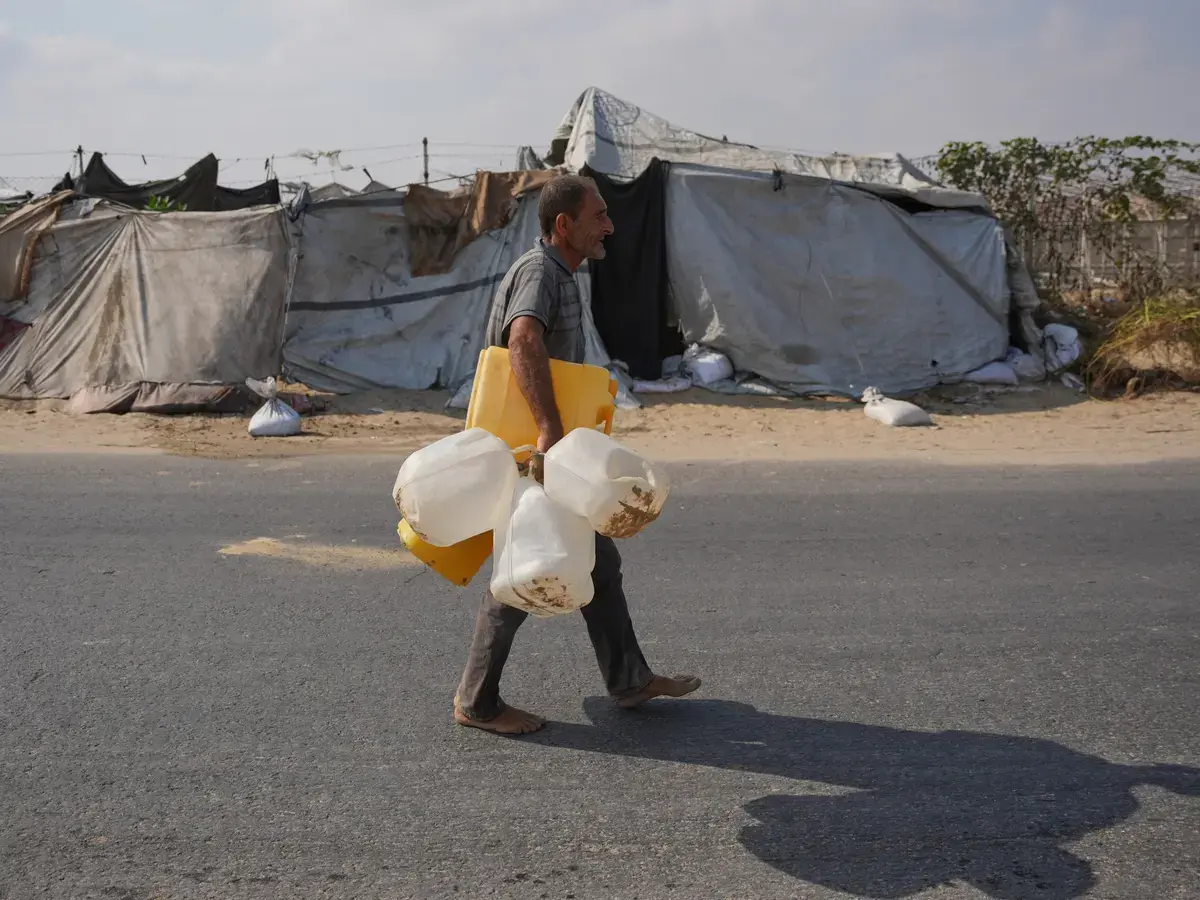
How Climate Change Is Reshaping Water Security
Water-related conflicts have nearly quadrupled since 2020, marking a sharp escalation in global tensions over access to this vital resource. As World Water Week 2026 begins, Al Jazeera analyzes the latest data showing how scarcity, climate change, and poor governance are fueling disputes across regions. The trend reflects a growing crisis that threatens stability in already vulnerable areas.
Breaking news
 Deadly Glacier and Rock Collapse in Nepal Linked to Climate Warming
 US Congress Passes Sweeping Sanctions Against Russia
 Speaker Johnson Ends House Session Early to Halt Impeachment Effort
 The High-Stakes Fight for Senate Majority Control
The surge in water-related violence is most pronounced in arid and semi-arid zones where competition for rivers, groundwater, and reservoirs has intensified. Climate-induced droughts have reduced water availability in parts of Africa, the Middle East, and South Asia, while population growth and agricultural demand continue to rise. In many cases, weak institutions and unequal distribution exacerbate tensions, turning local disagreements into broader confrontations. Experts note that transboundary water systems are particularly at risk, as upstream damming and diversion projects often trigger downstream protests and diplomatic standoffs.
Can Cooperation Prevent Future Water Wars?
Rising temperatures and shifting rainfall patterns are altering hydrological cycles, making water supplies less predictable and more contested. In the Sahel, prolonged dry spells have led to clashes between herders and farmers over dwindling pasture and water points. Similarly, in the Indus Basin, glacial melt variability is disrupting seasonal flows, prompting concerns about long-term reliability. These environmental pressures are compounded by infrastructure projects that prioritize national interests over regional cooperation, increasing the likelihood of disputes. Satellite data and field reports confirm that incidents involving water infrastructure—such as attacks on pumps or canals—have become more frequent in conflict-prone areas.
Despite the alarming trends, experts point to successful examples of water sharing agreements that have endured even during periods of political strain. Treaties governing the Nile, Senegal, and Danube rivers demonstrate that dialogue and joint management can reduce risks when built on transparency and mutual benefit. However, such frameworks remain rare, and many transboundary basins lack binding agreements. Strengthening early warning systems, investing in water-saving technologies, and promoting inclusive governance are seen as critical steps to avert escalation. Without urgent action, the world may face more frequent and severe water-driven instability in the coming years.
What defines a water-related conflict? A water-related conflict involves violence, protests, or disputes directly linked to access, control, or scarcity of water resources, including rivers, lakes, groundwater, or infrastructure.
Frequently Asked Questions
Which regions are most at risk for water conflicts in 2026? The Sahel, Horn of Africa, Middle East, and parts of South Asia face heightened risk due to climate vulnerability, population pressure, and limited water governance.
Can technology help reduce water conflicts? Yes, innovations like efficient irrigation, desalination, and real-time monitoring can ease pressure on supplies, but they must be paired with fair policies and cross-border cooperation to be effective.