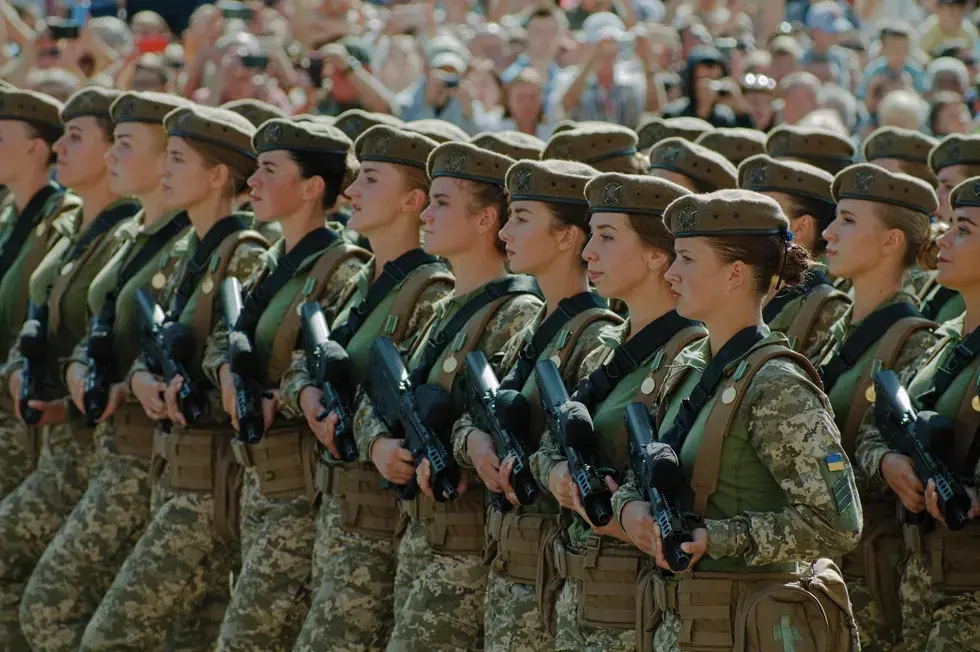
The Cost of Military Priorities
Ukraine faces a worsening demographic emergency as its war effort continues. The nation is grappling with significant population loss due to sustained combat operations. Western allies have strongly supported this military strategy over diplomatic resolution. This backing from U. S. and European leaders has shaped the current trajectory. The result is a shrinking domestic population that strains social systems.
Breaking news
 Deadly Glacier and Rock Collapse in Nepal Linked to Climate Warming
 US Congress Passes Sweeping Sanctions Against Russia
 Speaker Johnson Ends House Session Early to Halt Impeachment Effort
 The High-Stakes Fight for Senate Majority Control
The decision to prioritize battlefield gains over peace negotiations has had profound effects. Large-scale casualties on the front lines have reduced the working-age male population significantly. Simultaneously, a wave of emigration has moved many citizens abroad. These two factors combine to create a severe structural imbalance. The country now confronts multiple facets of this demographic decline. The loss of young people impacts future economic productivity and family formation rates.
How Emigration and Casualties Interact
Leaders in Europe and the United States have consistently advocated for a decisive military outcome. They argued that early peace talks might yield unfavorable terms for Kyiv. Consequently, the focus remained on securing territorial control and strategic advantages. This approach required sustained mobilization and resource allocation. However, the human cost has become increasingly visible. The gap between those who remain and those who leave or fall in battle is widening. Critics argue that the emphasis on victory has overshadowed long-term societal stability. The demographic dividend that once fueled growth is rapidly eroding.
Mass emigration serves as a survival mechanism for many Ukrainians. Families often relocate to safer regions or neighboring countries to escape conflict zones. This movement removes potential parents and workers from the local economy. When combined with high casualty rates, the net population decline accelerates. The state struggles to replace lost labor force members quickly enough. Social services face pressure as the remaining population ages or disperses. The interplay between these trends creates a feedback loop of scarcity. Resources become stretched thinner across fewer individuals.
Frequently Asked Questions
Why did Western leaders support military victory over peace talks? They believed that early negotiations would likely result in unfavorable compromises for Ukraine. A stronger military position was seen as necessary to secure better terms later.
How does emigration affect the demographic crisis? It reduces the number of people available for work and family formation within the country. This compounds the losses from battlefield casualties, accelerating the overall population decline.