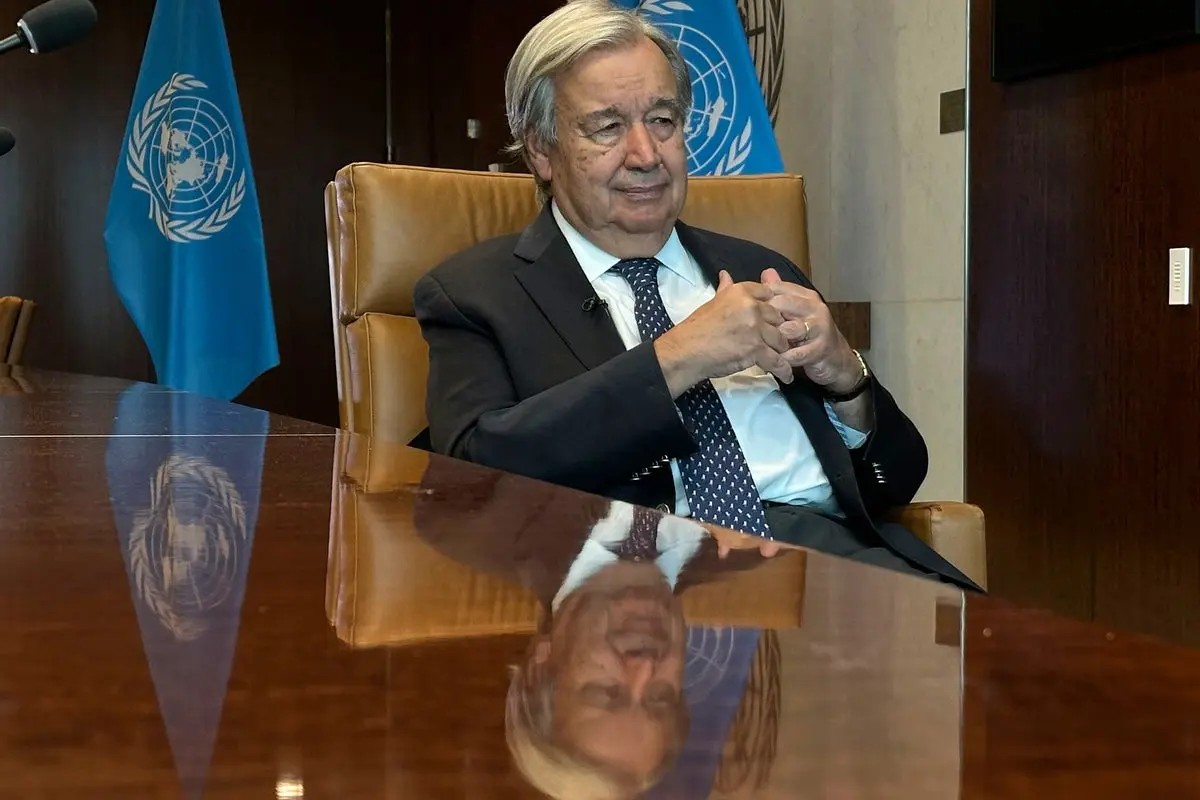
Global Crises Converge at UN Headquarters
World leaders gather at the United Nations this week under a darkening sky of conflicts, technological dangers and environmental disasters. The annual summit finds diplomats navigating wars in multiple regions while grappling with artificial intelligence advancing faster than governance can keep pace. Climate shocks have already disrupted communities worldwide, demanding urgent cooperation as nations face simultaneous crises.
Breaking news
 Ronna McDaniel Weighs In on GOP's Path Forward
 Market Sentiment Shifts as S&P 500 Snaps Three-Day Losing Streak
 Voters Demand Stronger Congressional Oversight of Presidential Power
 Pelosi Looks Back, Sees Democratic Triumph Ahead
The gathering comes as the war machine continues its relentless advance across continents, with frontlines shifting and humanitarian corridors collapsing. Meanwhile, experts warn that artificial intelligence systems are evolving beyond human control, creating scenarios that could reshape entire societies overnight. Climate-related disasters have intensified in frequency and severity, with recent storms, floods and heatwaves affecting millions of people already struggling with economic instability.
Diplomats entering the UN building this week will find themselves addressing three interconnected emergencies that have strained international cooperation. Military conflicts span from Eastern Europe to Southeast Asia, creating refugee flows that overwhelm neighboring countries already dealing with economic strain. The pace of technological development, particularly in artificial intelligence, has outstripped the ability of governments to establish meaningful oversight mechanisms. At the same time, climate patterns have shifted dramatically, with weather systems becoming increasingly unpredictable and destructive.
Can International System Survive Multiple Simultaneous Crises?
Secretary-General António Guterres is expected to emphasize how these challenges compound each other, noting that vulnerable nations bear the heaviest burden despite contributing least to both conflict and climate change. Aid organizations have reported that combined crises are creating perfect stormsof vulnerability that traditional humanitarian approaches cannot adequately address.
The central question facing delegates is whether the international system can maintain functionality when confronted with wars that show no signs of resolution, AI developments that threaten to upend labor markets and governance structures, and climate impacts that continue to accelerate. Many fear that the cumulative effect of these challenges may exceed the capacity of existing diplomatic frameworks to manage them effectively.
The coming days will test whether nations can find common ground on issues where interests have traditionally diverged. Success could establish new precedents for multilateral cooperation; failure might accelerate fragmentation at a time when global coordination is most needed.
Frequently Asked Questions
What are the main agenda items for the UN meeting? Leaders are focusing on ongoing wars, artificial intelligence governance, and climate adaptation strategies as interconnected emergencies requiring coordinated international response.
How are climate shocks affecting global stability? Environmental disasters are displacing populations, straining resources, and creating conditions that can fuel further conflict and migration pressures.
What role does artificial intelligence play in current international tensions? AI development is outpacing regulatory frameworks, creating concerns about autonomous weapons, surveillance capabilities, and potential societal disruption that could destabilize nations.