What Does This Mean for European Security?
Germany's Defense Minister has downplayed the significance of the Pentagon's decision to withdraw 5,000 American troops. This announcement comes amid discussions about potential further troop reductions in Spain and Italy, raising concerns about the future of U. S. military presence in Europe.
Breaking news
 Deadly Glacier and Rock Collapse in Nepal Linked to Climate Warming
 US Congress Passes Sweeping Sanctions Against Russia
 Speaker Johnson Ends House Session Early to Halt Impeachment Effort
 The High-Stakes Fight for Senate Majority Control
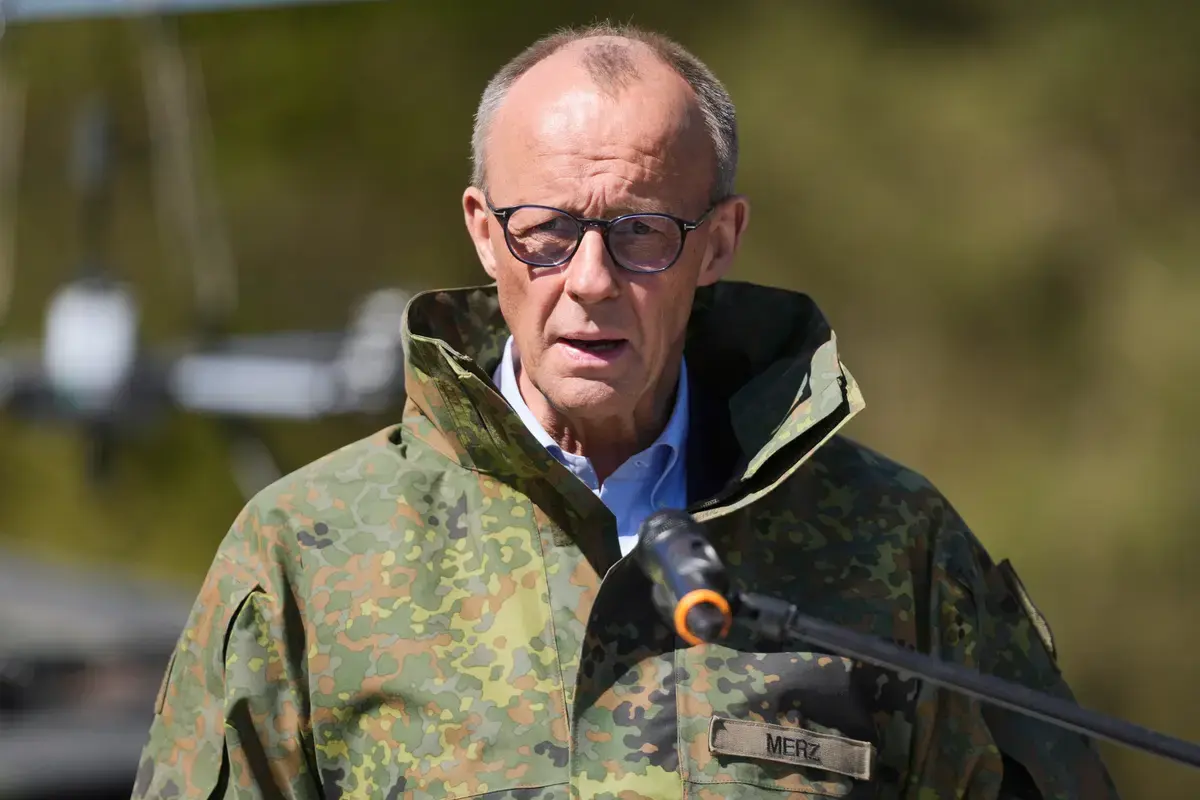
The U. S. military's plan to reduce its footprint in Europe has been anticipated by German officials. Defense Minister Friedrich Merz emphasized that the move aligns with ongoing strategic assessments of American forces in the region. He indicated that such decisions are part of a broader adjustment to military deployments and not unexpected.
The withdrawal of U. S. troops could have far-reaching implications for European security dynamics. Germany, as a key player in NATO, is closely monitoring these developments. The potential reductions in Spain and Italy suggest a shift in how the U. S. engages with its European allies. Merz stated, „We must prepare for a future where our security cannot solely rely on American troops.”The implications of these troop withdrawals extend beyond mere numbers. European nations may need to bolster their military capabilities to fill any gaps left by the U. S. This shift could lead to increased defense spending and greater military collaboration among European nations. Analysts warn that a reduced U. S. presence might embolden adversarial states, necessitating a reevaluation of defense strategies across Europe.
Are Other Countries Following Suit?
As the U. S. reassesses its military commitments, Spain and Italy are reportedly considering similar troop reductions. Both nations have historically hosted American forces as part of NATO's collective defense strategy. The potential for these countries to follow the U. S. lead raises questions about the future of NATO's collective security framework.
The discussions within Spain and Italy reflect a broader trend of European nations contemplating their military independence. This could lead to a more autonomous European defense strategy, which some believe is essential for the continent's security in the long term. However, the transition may not be smooth, as countries navigate their relationships with the U. S. and each other.
Frequently Asked Questions
The consequences of these troop withdrawals could reshape the security landscape in Europe. As nations adapt to a potential decrease in U. S. military presence, the focus will likely shift toward strengthening European defense initiatives. The future of NATO and transatlantic relations hangs in the balance, as European nations consider how to respond to these changes.
Why is the U. S. withdrawing troops from Europe? The U. S. is reassessing its military commitments in Europe as part of a broader strategic review. This decision is seen as a response to evolving security needs.
What impact will this have on NATO? The troop withdrawal could challenge NATO's collective defense framework. European nations may need to enhance their military capabilities to compensate for reduced U. S. support.