Dismantling the IS Command Structure
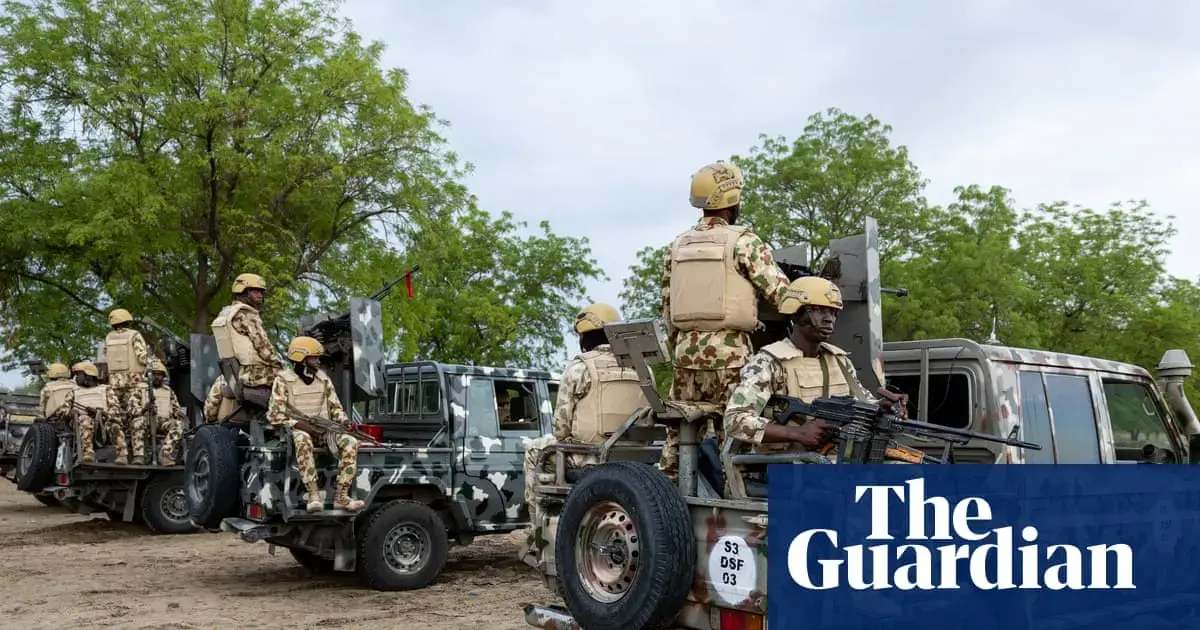
American and Nigerian military personnel successfully eliminated a high-ranking Islamic State commander during a sophisticated joint operation. President Donald Trump confirmed the mission, identifying the target as the group’s second-in-command. The operation took place recently, marking a significant tactical blow against the militant organization’s global leadership structure and operational capabilities.
Breaking news
 Deadly Glacier and Rock Collapse in Nepal Linked to Climate Warming
 US Congress Passes Sweeping Sanctions Against Russia
 Speaker Johnson Ends House Session Early to Halt Impeachment Effort
 The High-Stakes Fight for Senate Majority Control
The mission was described by the White House as a meticulously planned and complex endeavor. Officials stated that the forces executed the operation flawlessly to remove the individual, whom the President characterized as the most active terrorist currently operating worldwide. The collaboration highlights a deepening security partnership between Washington and Abuja in the fight against regional insurgency.
The targeted militant, identified as Abu-Bilal al-Minuki, reportedly held a pivotal role in coordinating the group’s international activities. By removing such a high-value target, the coalition aims to disrupt the organization’s ability to plan large-scale attacks. Military analysts suggest that losing a leader of this stature creates a power vacuum that often destabilizes terrorist networks.
What Does This Mean for Regional Stability?
The operation underscores a shift toward more aggressive, intelligence-led strikes against extremist leadership. American forces provided the necessary tactical support and surveillance, while Nigerian troops conducted the ground-level engagement. This synergy allowed the coalition to strike deep within the militant’s stronghold without sustaining casualties.
The death of a top-tier commander serves as a major psychological and strategic setback for the Islamic State’s African affiliates. However, regional experts warn that the group remains resilient and may attempt retaliatory actions to demonstrate continued relevance. Security forces in the region are now on high alert to prevent potential fallout from the strike.
Frequently Asked Questions
Long-term stability will depend on whether the coalition can maintain this momentum. The success of this mission provides a blueprint for future joint operations against extremist cells. Authorities remain focused on tracking remaining leadership figures to prevent the group from regrouping or expanding its influence across the Sahel and surrounding territories.
Who was the primary target of this mission? The operation targeted Abu-Bilal al-Minuki, who served as the second-in-command for the Islamic State. He was described by the US administration as the most active terrorist currently operating globally.
How was the operation carried out? The mission was a joint effort between American and Nigerian military forces. It was characterized as a complex, meticulously planned strike that resulted in the target's elimination.