Why a Broad AI Deal May Be Unnecessary
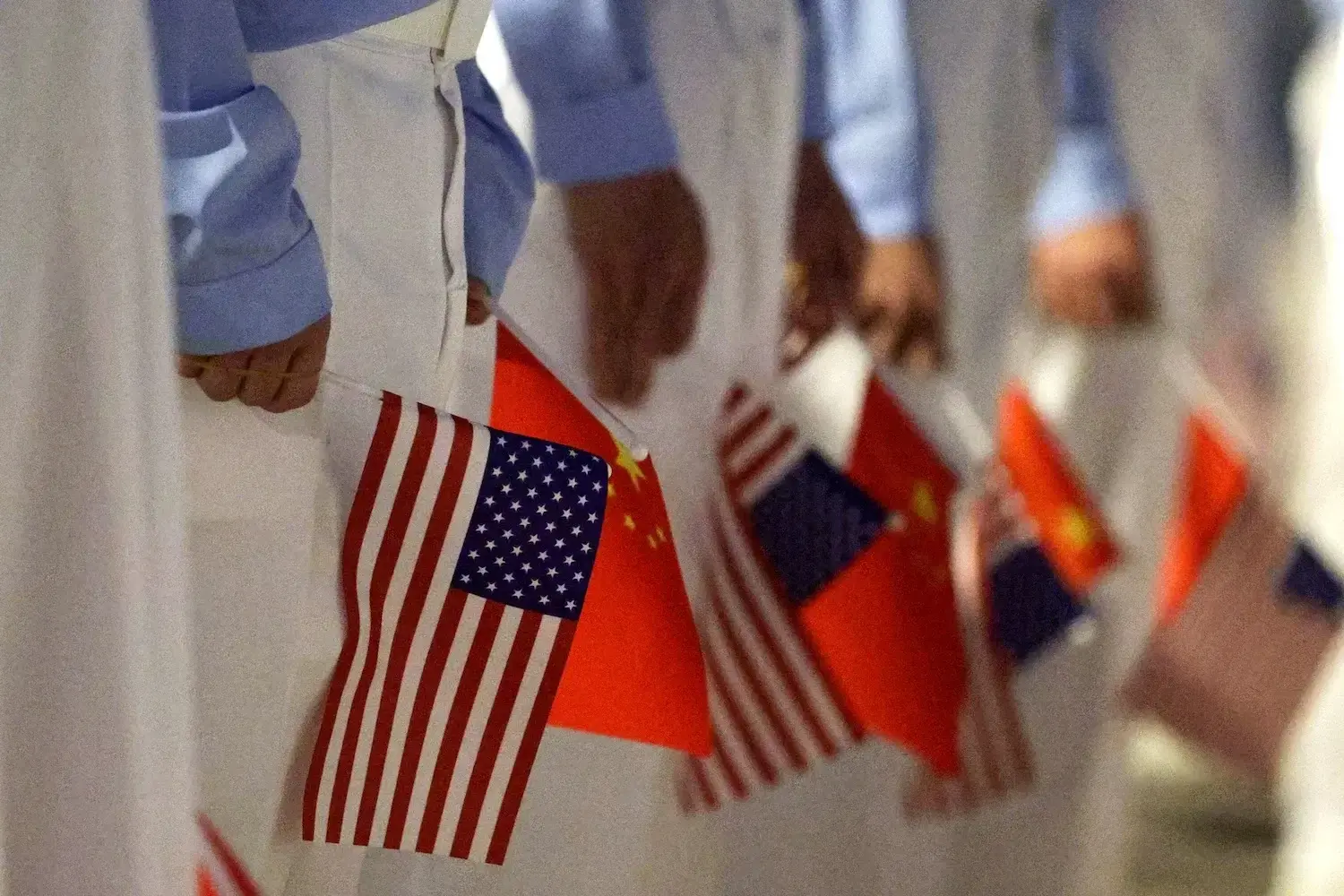
The United States and China do not require a sweeping artificial intelligence pact to manage their competitive relationship in the technology sector. Experts suggest that targeted cooperation between the two nations is possible even amid mutual distrust and conflicting strategic interests.
Breaking news
 Deadly Glacier and Rock Collapse in Nepal Linked to Climate Warming
 US Congress Passes Sweeping Sanctions Against Russia
 Speaker Johnson Ends House Session Early to Halt Impeachment Effort
 The High-Stakes Fight for Senate Majority Control
Rather than pursuing an all-encompassing agreement, analysts argue that both countries can address specific AI-related risks through smaller, issue-based collaborations. These might include discussions on safety protocols, emergency communication channels, or shared concerns such as deepfake detection. Such measures allow for practical progress without requiring full diplomatic alignment.
Scott Singer, a fellow at the Carnegie Endowment for International Peace, notes that past tensions over AI have not prevented limited cooperation in areas like climate research or public health. He emphasizes that functional partnerships often emerge from necessity rather than formal consensus.
Can Targeted Measures Replace a Grand Bargain?
Yes, targeted measures may prove more effective than broad negotiations. Smaller agreements are easier to negotiate, implement, and monitor. They also reduce the risk of one side walking away from the entire arrangement due to disagreements on unrelated issues.
For example, both countries have shown interest in preventing AI systems from being used in ways that could destabilize financial markets or spread misinformation during elections. These narrow focuses offer common ground without touching deeper strategic rivalries.
In practice, working groups or technical dialogues could be established under existing frameworks such as the U. S.-China Economic and Security Review Commission or Track II diplomacy channels. These forums provide neutral spaces for experts to explore mutual interests.
Looking ahead, the absence of a grand AI bargain does not mean chaos. Instead, it opens room for pragmatic solutions tailored to evolving challenges. As AI develops rapidly, flexibility in approach will likely matter more than rigid long-term commitments.
Frequently Asked Questions
What kind of AI cooperation is feasible between the US and China? Cooperation on AI safety standards, data sharing for disaster response, and countering synthetic media misuse are among the most viable areas for collaboration.
Why avoid a comprehensive AI agreement? Large-scale deals are difficult to finalize given geopolitical tensions. Smaller steps reduce complexity and allow both sides to build trust incrementally.
Who supports this approach? Experts like Scott Singer advocate for practical, limited cooperation instead of waiting for ideal diplomatic conditions.