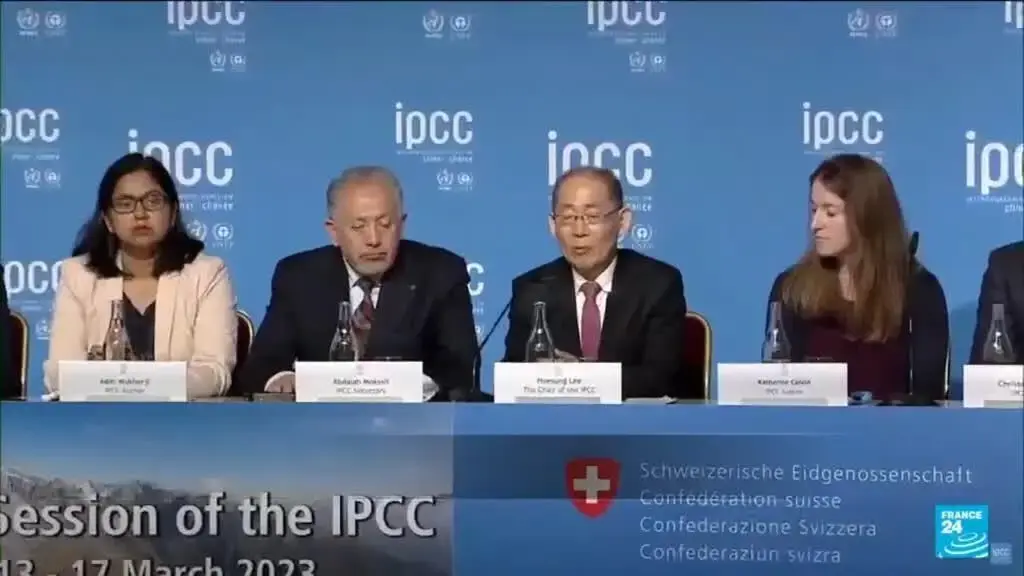
Financial Flows and Strategic Alignment
A new investigation into the United Nations Framework Convention on Climate Change has revealed potential conflicts of interest. The review highlights significant financial and operational links between the secretariat and Saudi Arabia. These connections have raised concerns among environmental advocates and policymakers. Critics argue that the relationship compromises the independence of the global body. The inquiry examines how these ties might influence decision-making processes. It focuses on recent years where funding flows increased substantially. The findings suggest a pattern of close collaboration that warrants deeper analysis.
Breaking news
 Montenegro, Albania Seek NATO Help to Counter Russian Disinformation
 Ronna McDaniel Weighs In on GOP's Path Forward
 Market Sentiment Shifts as S&P 500 Snaps Three-Day Losing Streak
 Voters Demand Stronger Congressional Oversight of Presidential Power
The report details specific instances where Saudi interests aligned with the agency’s strategic goals. Financial contributions from the kingdom played a role in shaping certain initiatives. This dynamic created a perception of undue influence within the organization. Staff members noted that external pressures sometimes dictated internal priorities. The investigation sought to determine if standard protocols were followed during these interactions. It looked at recruitment practices and project approvals closely. The goal was to identify any deviations from established ethical guidelines.
The core of the controversy involves substantial monetary transfers from Saudi entities. These funds supported various programs under the UN climate mandate. Analysts point out that such large donations can create implicit expectations. Donors often seek visibility or specific policy outcomes in return for their support. The investigation found that several key projects received disproportionate attention. This focus did not always align with broader international consensus. Instead, it mirrored the national interests of the major contributor. The agency defended its actions by citing the need for diverse funding sources. However, skeptics believe the balance of power shifted significantly. They argue that smaller nations lost leverage in negotiations. The data shows a clear correlation between funding spikes and policy shifts. This pattern fuels the debate about who truly controls the agenda.
Does Money Buy Influence?
Questions remain about whether financial support equates to political sway. The inquiry reviewed communication logs and meeting minutes. These documents reveal frequent high-level discussions between officials and representatives. Some exchanges suggested informal agreements beyond formal treaty obligations. Experts warn that such informality can bypass democratic oversight mechanisms. The UN body maintains that all decisions follow strict procedural rules. Yet, the volume of evidence presented challenges this narrative. It suggests a more complex web of relationships than previously acknowledged. The report does not accuse the agency of corruption directly. Instead, it highlights structural vulnerabilities that allow influence to seep in. This distinction is crucial for understanding the nature of the problem.
The outcome of this review will shape future governance standards. If confirmed, the findings may lead to stricter disclosure requirements. New rules could limit the size of single-donor contributions. The agency plans to implement reforms to restore public trust. Stakeholders are watching closely for the next steps in this process. The integrity of global climate negotiations depends on these changes. A transparent system is essential for effective international cooperation. Without it, future agreements may face similar challenges. The world awaits the final recommendations from the investigative team.
Frequently Asked Questions
Who conducted the investigation? The review was carried out by an independent panel of experts. They examined financial records and internal communications over several years.
What specific issues were found? The report identified potential conflicts of interest related to large donations. It also noted instances where donor preferences influenced project selection.
What happens next? The UN body will review the findings and propose corrective measures. These may include new transparency rules and audit procedures.
