Escalating Military Tensions in the Gulf
The United Arab Emirates has announced a complete halt to trade with Iran. This decision comes in the wake of escalating tensions between the two nations. Recent missile strikes attributed to Iran have raised alarms in the region. The situation is further complicated by former President Donald Trump's assertion that the Strait of Hormuz should be considered new US territory. The UAE's trade suspension reflects growing concerns about Iran's military actions. The country has been accused of launching ballistic missiles targeting commercial vessels, disrupting vital shipping routes. The Strait of Hormuz is a crucial waterway for global oil supplies, making its security a top priority for the UAE and its allies. Negotiations aimed at easing tensions have stalled, leaving the waterway largely inaccessible.
Breaking news
 Deadly Glacier and Rock Collapse in Nepal Linked to Climate Warming
 US Congress Passes Sweeping Sanctions Against Russia
 Speaker Johnson Ends House Session Early to Halt Impeachment Effort
 The High-Stakes Fight for Senate Majority Control
Iran's recent military maneuvers have drawn sharp criticism from the UAE and other Gulf states. The missile strikes are seen as a direct threat to maritime safety and regional stability. In response, the UAE has taken a firm stance, severing economic ties with Tehran to safeguard its interests. This move signals a significant shift in the UAE's approach to Iran, which has historically maintained a complex relationship with its neighbor.
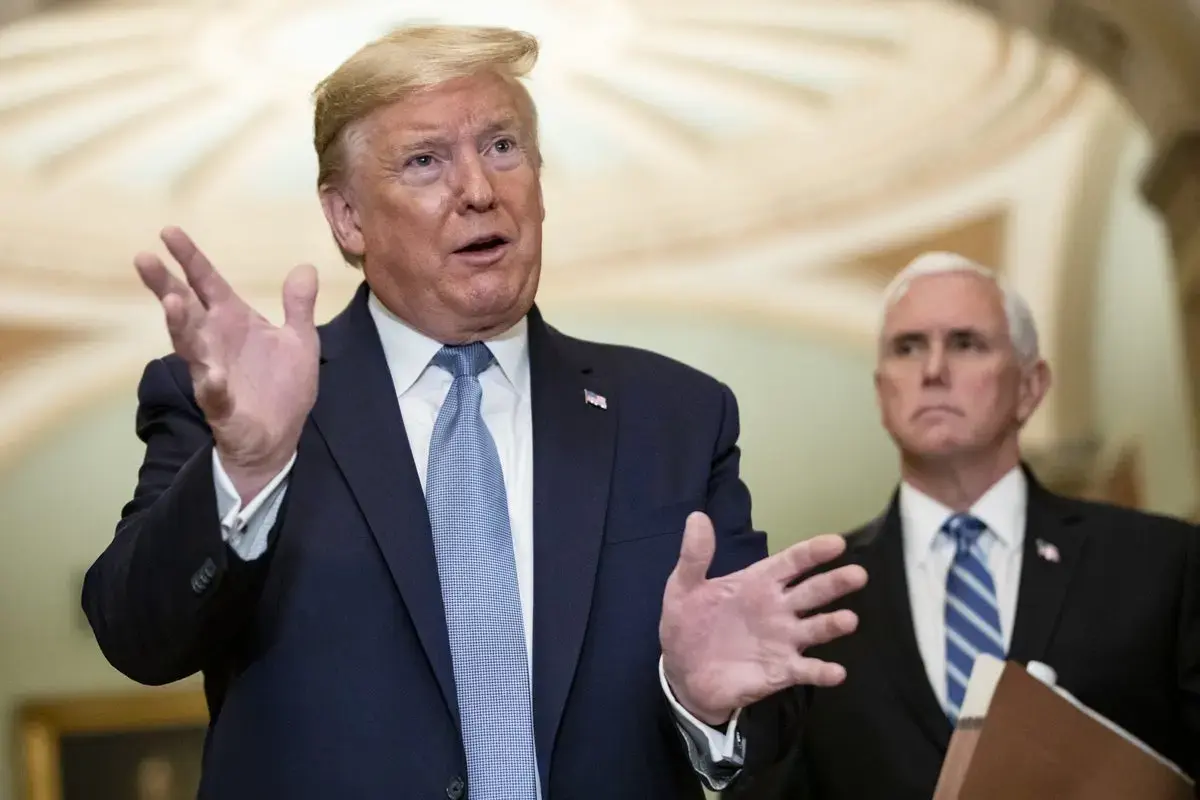
Trump's declaration regarding Hormuz has added another layer of complexity. By asserting US territorial claims, he has intensified the already fraught atmosphere in the Gulf. This claim has been met with skepticism and concern from various nations, as it could provoke further military confrontations. The US has previously deployed military assets to the region, raising fears of an expanded conflict.
What Are the Implications for Regional Stability?
The UAE's trade suspension may have far-reaching consequences for both nations. Economically, Iran could face increased isolation, while the UAE might experience disruptions in trade routes that are vital for its economy. The situation poses a dilemma for other countries in the region, which must navigate their own interests amid rising tensions.
The outlook remains uncertain, with both sides entrenched in their positions. The potential for military escalation looms large, as diplomatic efforts continue to falter. The international community is watching closely, as any misstep could lead to a broader conflict in the Gulf.
Frequently Asked Questions
What led to the UAE's decision to halt trade with Iran? The UAE's trade suspension was prompted by Iran's ballistic missile strikes targeting commercial vessels, which raised significant security concerns.
How does Trump's declaration affect the situation in Hormuz? Trump's claim that Hormuz is new US territoryhas escalated tensions, potentially provoking military responses from Iran and complicating diplomatic efforts.
What are the potential consequences of this trade suspension? The trade halt could lead to increased economic isolation for Iran and disrupt vital shipping routes for the UAE, affecting regional stability.