What’s Behind the Tensions?
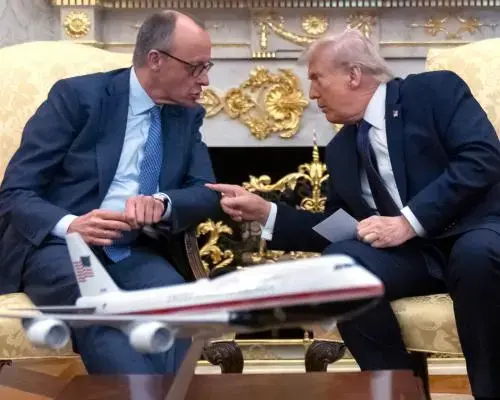
In a recent statement, President Donald Trump indicated that he might decrease the number of American troops stationed in Germany. This remark came after German Chancellor Olaf Scholz criticized the United States' approach to the ongoing conflict in Iran. The comments highlight ongoing tensions between the two nations regarding military presence and foreign policy.
Breaking news
 Greenpeace Investigates Zaporizhzhia Nuclear Plant Power Lines
 Researcher warns strict age limits needed for children on social media
 Hezbollah defends its arsenal amid Lebanese political deadlock
 Can an AI Chatbot Reduce Maternal Deaths in Kenya?
Trump's threats are not new; he has made similar statements during his presidency from 2017 to 2021. His administration has long expressed frustration over what it perceives as Germany's insufficient financial contributions to NATO. Currently, there are approximately 86,000 US soldiers deployed across Europe, with a significant portion based in Germany. Trump's remarks suggest a potential shift in US foreign policy, which could affect European security arrangements.
The recent exchange stems from Scholz's remarks that the US has been unilateralin its foreign policy decisions, particularly concerning the Iranian conflict. This criticism has not sat well with Trump, who has emphasized the need for European allies to take on a larger share of defense responsibilities. The president's comments about troop reductions may serve as a warning to Germany to increase its military spending and commitment to NATO.
Could Troop Reductions Affect European Security?
The US military presence in Europe has long been a cornerstone of transatlantic security. However, Trump's approach has raised questions about the future of American engagement in the region. Analysts suggest that while the president's threats may be intended to pressure Germany, the actual impact on troop levels might be limited. Many observers note that similar threats have been made in the past without resulting in significant changes.
The prospect of reduced American forces in Germany raises concerns about the balance of power in Europe. Experts warn that a withdrawal could embolden adversaries and destabilize the region. Germany has traditionally relied on US military support as a deterrent against potential threats, particularly from Russia. If troop levels were to decrease, it could lead to a reassessment of security strategies among European nations.
The ongoing debate over military funding and commitments within NATO is crucial. Trump has repeatedly called for member nations to meet their defense spending obligations, which could influence how Germany and other nations respond to his latest threats. The outcome of this situation could reshape the dynamics of US-European relations for years to come.
Frequently Asked Questions
In conclusion, while Trump's threats may be aimed at prompting Germany to increase its military spending, the actual implications for US troop levels in Europe remain uncertain. The ongoing dialogue between the US and Germany will likely continue to evolve, especially as both countries navigate their respective security interests.
Why did Trump threaten to reduce troops in Germany? Trump's comments were in response to criticisms from German Chancellor Olaf Scholz regarding US foreign policy, particularly concerning Iran. The president seeks to pressure Germany to increase its defense spending.
What is the current number of US troops in Europe? Approximately 86,000 US soldiers are stationed across Europe, with a significant number based in Germany. The presence of these troops is vital for NATO's collective defense strategy.