How Would U. S. Control of Iranian Oil Work in Practice?
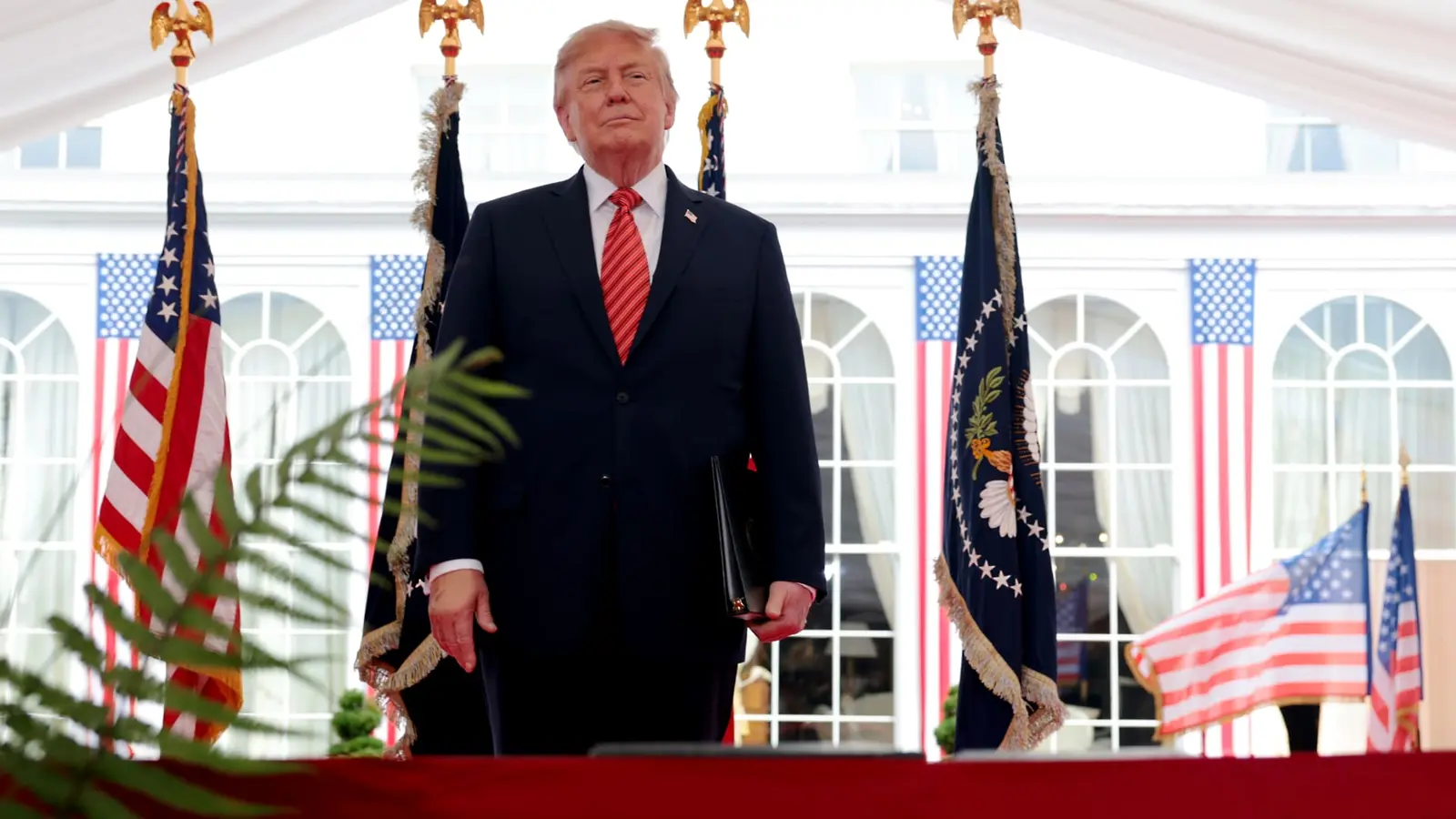
Former President Donald Trump stated on Sunday that the United States might retain control of Iran's oil resources, drawing a parallel to an agreement made earlier this year with Venezuela. He made the comment amid stalled negotiations between Gulf nations and Iran over security and trade in the Strait of Hormuz. Trump said revenue from the Venezuela arrangement had „paid for the war many times,”suggesting a similar model could apply to Iran. The remarks come as diplomatic efforts to ease tensions in the vital waterway have stalled, raising concerns about regional stability and energy markets.
Breaking news
 Deadly Glacier and Rock Collapse in Nepal Linked to Climate Warming
 US Congress Passes Sweeping Sanctions Against Russia
 Speaker Johnson Ends House Session Early to Halt Impeachment Effort
 The High-Stakes Fight for Senate Majority Control
Trump's reference to Venezuela points to a controversial deal in which the U. S. granted sanctions relief in exchange for oil access, a move critics argued bolstered Nicolás Maduro's government. He claimed the arrangement generated significant revenue that offset military expenditures, though no official figures were provided to support the claim. The former president did not specify how the U. S. would legally or militarily seize Iranian oil, nor did he detail what form such control might take. His comments were made during a televised interview, where he framed the idea as a strategic option if diplomacy fails. Analysts warn that such a move could provoke a major international conflict and disrupt global oil supplies.
What Risks Does This Pose to Gulf-Iran Diplomacy?
Trump did not outline a clear mechanism for taking control of Iran's oil infrastructure, which is largely state-owned and deeply integrated into the national economy. Any attempt to seize or manage foreign oil assets would likely face strong opposition from Iran, international bodies, and potentially U. S. allies concerned about precedent. Legal experts note that unilateral expropriation of sovereign resources could violate international law and trigger sanctions against the U. S. itself. The idea remains speculative, with no current policy or legislative backing from the Biden administration or Congress.
The comment threatens to further complicate already fragile talks aimed at reducing naval tensions and ensuring safe passage through the Strait of Hormuz, a chokepoint for about 20% of global oil trade. Gulf states, particularly Saudi Arabia and the UAE, have been engaging Iran through backchannel discussions to prevent accidental escalation. Trump's remarks could undermine confidence in those efforts, especially if perceived as a signal of U. S. backing for aggressive action. Iranian officials have not yet responded directly, but past statements indicate they view any foreign interference in oil affairs as a red line.
Did the U. S. actually take control of Venezuela's oil? No, the U. S. did not seize Venezuela's oil. In early 2024, the Biden administration temporarily eased certain sanctions on Venezuela's oil sector in exchange for electoral commitments, allowing limited exports under strict oversight. The deal was later partially reversed after Venezuela failed to meet agreed-upon conditions.
Frequently Asked Questions
Is seizing foreign oil legal under international law? Generally, no. Unilateral seizure of another country's natural resources without consent or UN authorization violates principles of sovereignty and could constitute an act of aggression under international law, potentially leading to countermeasures or sanctions.
Has the Biden administration considered similar actions toward Iran? There is no evidence the current administration has pursued or endorsed seizing Iranian oil. Official policy remains focused on diplomacy, sanctions enforcement, and preventing nuclear proliferation, not resource confiscation.